Cultic Studies Journal, Vol. 18, 2001, Page 10
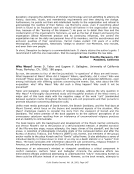
References
Bromley, D. G., Shupe, A. D., &Ventimiglia, J. C. (1979). Atrocity tales, the Unification Church and
the social construction of evil. Journal of Communication, 29, 42-53.
The compact edition of the Oxford English dictionary. (1980). Oxford: Oxford University Press.
Lifton, R. J. (1961). Thought reform and the psychology of totalism. New York: Norton.
Ofshe, R., &Singer, M. T. (1986). Attacks on peripheral versus central elements of self and the
impact of thought reforming techniques. Cultic Studies Journal, 3(1), 3-24.
Rosedale, H. R., &Langone, M. D. (October, 1993). How Many Jonestowns will it Take? Cult
Observer, 10(4), 3, 11.
Singer, M. T., &Ofshe, R. (1990). Thought reform programs and the production of psychiatric
casualties. Psychiatric Annals, 20, 188-193.
West, L. J., &Langone, M. D. (1986). Cultism: A conference for scholars and policy makers. Cultic
Studies Journal, 3, 117-134.
Zablocki, B. (1995). My Turn—Proposing a ―Bill of inalienable rights‖ for intentional communities.
Communities, No. 88, 8, 10-11.
Zablocki, B. (1997). Paper presented to a conference, ―Cults: Theory and Treatment Issues,‖ May
31, 1997 in Philadelphia, Pennsylvania.
**********
Michael D. Langone, Ph.D., a counseling psychologist, is AFF‘s Executive Director. He is
the editor of Cultic Studies Journal and Recovery From Cults. He is co-author of Cults: What
Parents Should Know and Satanism and Occult-Related Violence: What You Should Know.
Dr. Langone has spoken and written widely about cults. In 1995, he received the Leo J.
Ryan Award from the ―original‖ Cult Awareness network and was honored as the Albert V.
Danielsen visiting Scholar at Boston University. This paper was presented at the AFF Annual
Conference Paper University of Minnesota, St. Paul Campus, May 14, 1999
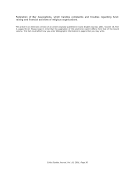
This article is an electronic version of an article originally published in Cultic Studies Journal, 2001, Volume 18,
pages 1-12. Please keep in mind that the pagination of this electronic reprint differs from that of the bound
volume. This fact could affect how you enter bibliographic information in papers that you may write.
References
Bromley, D. G., Shupe, A. D., &Ventimiglia, J. C. (1979). Atrocity tales, the Unification Church and
the social construction of evil. Journal of Communication, 29, 42-53.
The compact edition of the Oxford English dictionary. (1980). Oxford: Oxford University Press.
Lifton, R. J. (1961). Thought reform and the psychology of totalism. New York: Norton.
Ofshe, R., &Singer, M. T. (1986). Attacks on peripheral versus central elements of self and the
impact of thought reforming techniques. Cultic Studies Journal, 3(1), 3-24.
Rosedale, H. R., &Langone, M. D. (October, 1993). How Many Jonestowns will it Take? Cult
Observer, 10(4), 3, 11.
Singer, M. T., &Ofshe, R. (1990). Thought reform programs and the production of psychiatric
casualties. Psychiatric Annals, 20, 188-193.
West, L. J., &Langone, M. D. (1986). Cultism: A conference for scholars and policy makers. Cultic
Studies Journal, 3, 117-134.
Zablocki, B. (1995). My Turn—Proposing a ―Bill of inalienable rights‖ for intentional communities.
Communities, No. 88, 8, 10-11.
Zablocki, B. (1997). Paper presented to a conference, ―Cults: Theory and Treatment Issues,‖ May
31, 1997 in Philadelphia, Pennsylvania.
**********
Michael D. Langone, Ph.D., a counseling psychologist, is AFF‘s Executive Director. He is
the editor of Cultic Studies Journal and Recovery From Cults. He is co-author of Cults: What
Parents Should Know and Satanism and Occult-Related Violence: What You Should Know.
Dr. Langone has spoken and written widely about cults. In 1995, he received the Leo J.
Ryan Award from the ―original‖ Cult Awareness network and was honored as the Albert V.
Danielsen visiting Scholar at Boston University. This paper was presented at the AFF Annual
Conference Paper University of Minnesota, St. Paul Campus, May 14, 1999
This article is an electronic version of an article originally published in Cultic Studies Journal, 2001, Volume 18,
pages 1-12. Please keep in mind that the pagination of this electronic reprint differs from that of the bound
volume. This fact could affect how you enter bibliographic information in papers that you may write.