Cultic Studies Journal, Vol. 18, 2001, Page 122
influence effects. Social influence effects are known to be more powerful in times of
confusion, ambiguity, and low personal confidence (e.g., Deutsch &Gerard, 1955 cf.
Baron, Kerr, &Miller, 1992). The complex nature of group doctrine coupled with the
debilitating procedures used in the early stages of indoctrination should produce just such
confusion and low confidence. Conformity effects also are strengthened greatly if the
individual is faced with a unanimous group consensus (Wilder &Allen, 1977). Indoctrinating
groups go to some lengths to provide at least the illusion of such consensus by carefully
orchestrating the social surroundings of each recruit and removing or isolating those recruits
who express doubts. Moreover, this consensus is usually expressed with confidence and
enthusiasm. Although few studies have examined the impact of confederate confidence in
majority influence studies, Baron, Vandello, and Brunsman (1996) reported that high
(manipulated) confederate confidence increased both the rate of conformity as well as the
individuals‘ confidence in their (incorrect) conforming views. These data complement
Nemeth and Wachtler‘s (1974) report that a manipulation of nonverbal confederate
confidence increased social influence in a minority influence paradigm.
The fact that conformity effects are enhanced by manipulations such as judgment difficulty
and (low) individual confidence (e.g., Deutsch &Gerard, 1955) is congruent with this focus
on attentional capacity as a key process leading to successful indoctrination. Various
theorists have suggested that individuals will be more likely to rely on social information
when their individual capacity is challenged or overwhelmed by a judgmental task (e.g.,
Festinger, 1954). One extension of this logic is that a unified group consensus serves as a
heuristic cue (i.e., ―all those people can‘t be wrong‖) that is more likely to be relied on by
individuals when their capacity is inadequate (or they perceive it to be inadequate) for
meeting the demands of a judgmental task (Chaiken &Maheswaran, 1994, Eagly &Chaiken,
1993). As noted, procedural features of intense indoctrination create just such conditions.
In addition to the results discussed in the preceding paragraph, some data indicate that
conformity effects are more pronounced when fear levels are high. Darley (1966) reported
that conformity was increased when individuals were threatened with the prospect of
electric shock. Other forms of stress and arousal appear to have similar effects. Kruglanski
and Webster (1991) examined groups of Israeli scouts who were attempting to agree on a
camp location. Kruglanski and Webster found greater rejection of (confederate) deviates
when time pressure or aversive noise was present. Similarly, numerous studies testing
terror management theory indicate that individuals exhibit less tolerance for nonnormative
behavior from others following a manipulation increasing the salience of their own death
(e.g., Florian &Mikulincer, 1997). Thus, a variety of manipulations that should impair
attentional capacity (i.e., emotion, time pressure, task ambiguity) enhance the effects of
conformity pressure. These results have obvious implications for social influence applied in
the stressful milieu of intense indoctrination.
Another feature of intense indoctrination is that the decisions and judgments in question
often are ones of substantial cost and importance for indoctrinees. On initial reflection, one
may argue that such importance may weaken social influence effects. If the decision is
crucial, will individuals feel enough involvement to buck group pressure and make up their
minds for themselves? The answer to this question appears to be ―no‖ in cases of even
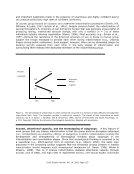
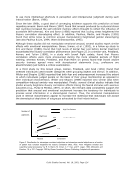
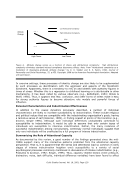
moderate ambiguity. Baron, Vandello, &Brunsman (1996) varied decision importance
through a combination of financial inducements and ego involvement (all increasing the
importance of judgment accuracy). They found that for a moderately difficult judgment task
(i.e., having a 28% error rate), conforming to the inaccurate confederate norm increased as
task importance increased (see Figure 1). Moreover, as noted previously, this conformity
was accompanied by increases in confidence in those conditions in which the confederates
acted highly confident in their opinions. In short, Baron, Vandello, et al.‘s (1996) data
suggested that the conditions generally found during intense indoctrination (i.e., ambiguous
influence effects. Social influence effects are known to be more powerful in times of
confusion, ambiguity, and low personal confidence (e.g., Deutsch &Gerard, 1955 cf.
Baron, Kerr, &Miller, 1992). The complex nature of group doctrine coupled with the
debilitating procedures used in the early stages of indoctrination should produce just such
confusion and low confidence. Conformity effects also are strengthened greatly if the
individual is faced with a unanimous group consensus (Wilder &Allen, 1977). Indoctrinating
groups go to some lengths to provide at least the illusion of such consensus by carefully
orchestrating the social surroundings of each recruit and removing or isolating those recruits
who express doubts. Moreover, this consensus is usually expressed with confidence and
enthusiasm. Although few studies have examined the impact of confederate confidence in
majority influence studies, Baron, Vandello, and Brunsman (1996) reported that high
(manipulated) confederate confidence increased both the rate of conformity as well as the
individuals‘ confidence in their (incorrect) conforming views. These data complement
Nemeth and Wachtler‘s (1974) report that a manipulation of nonverbal confederate
confidence increased social influence in a minority influence paradigm.
The fact that conformity effects are enhanced by manipulations such as judgment difficulty
and (low) individual confidence (e.g., Deutsch &Gerard, 1955) is congruent with this focus
on attentional capacity as a key process leading to successful indoctrination. Various
theorists have suggested that individuals will be more likely to rely on social information
when their individual capacity is challenged or overwhelmed by a judgmental task (e.g.,
Festinger, 1954). One extension of this logic is that a unified group consensus serves as a
heuristic cue (i.e., ―all those people can‘t be wrong‖) that is more likely to be relied on by
individuals when their capacity is inadequate (or they perceive it to be inadequate) for
meeting the demands of a judgmental task (Chaiken &Maheswaran, 1994, Eagly &Chaiken,
1993). As noted, procedural features of intense indoctrination create just such conditions.
In addition to the results discussed in the preceding paragraph, some data indicate that
conformity effects are more pronounced when fear levels are high. Darley (1966) reported
that conformity was increased when individuals were threatened with the prospect of
electric shock. Other forms of stress and arousal appear to have similar effects. Kruglanski
and Webster (1991) examined groups of Israeli scouts who were attempting to agree on a
camp location. Kruglanski and Webster found greater rejection of (confederate) deviates
when time pressure or aversive noise was present. Similarly, numerous studies testing
terror management theory indicate that individuals exhibit less tolerance for nonnormative
behavior from others following a manipulation increasing the salience of their own death
(e.g., Florian &Mikulincer, 1997). Thus, a variety of manipulations that should impair
attentional capacity (i.e., emotion, time pressure, task ambiguity) enhance the effects of
conformity pressure. These results have obvious implications for social influence applied in
the stressful milieu of intense indoctrination.
Another feature of intense indoctrination is that the decisions and judgments in question
often are ones of substantial cost and importance for indoctrinees. On initial reflection, one
may argue that such importance may weaken social influence effects. If the decision is
crucial, will individuals feel enough involvement to buck group pressure and make up their
minds for themselves? The answer to this question appears to be ―no‖ in cases of even
moderate ambiguity. Baron, Vandello, &Brunsman (1996) varied decision importance
through a combination of financial inducements and ego involvement (all increasing the
importance of judgment accuracy). They found that for a moderately difficult judgment task
(i.e., having a 28% error rate), conforming to the inaccurate confederate norm increased as
task importance increased (see Figure 1). Moreover, as noted previously, this conformity
was accompanied by increases in confidence in those conditions in which the confederates
acted highly confident in their opinions. In short, Baron, Vandello, et al.‘s (1996) data
suggested that the conditions generally found during intense indoctrination (i.e., ambiguous