Cultic Studies Journal, Vol. 18, 2001, Page 69
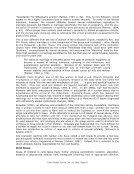
groups and can offer those in recovery from cults a great deal of assistance (Langone,
1993). CCOs on college and university campuses have a distinct advantage of examining
this issue from a vantage point relevant to the purposes of this study.
Second, this study attempts to build on other research conducted to examine the issue of
cults on college and university campuses. Education and information dissemination for other
campus administrative populations has already been shown to be important (Elleven, Kern,
&Moore, 1998).
Method
Participants
Chief Counseling Officers (CCOs), who serve college and university students in need of
therapy, were chosen for this study. CCOs are in a unique position to assist people who
are, or have been, involved in cultic groups (Langone, 1993). The Association for
University and College Counseling Center Directors was contacted and mailing labels
purchased in order to mail out the cult questionnaire.
Instrument
The instrument was only slightly modified from a study published by Cultic Studies Journal
in 1998 (Elleven, Kern, &Moore). The instrument was designed to engage the CCO in
reference to knowledge he or she has with regard to cults on campus. Questions examined
both student and staff issues in addition to demographic data. There were nine demographic
items seven forced answer questions nine questions based on a semantic scale range of
―impossible – unlikely – unknown – likely – probable‖ one item requesting the respondent
to list cults on their campus and one item asking for the respondent‘s address if he or she
desired a copy of the results of the survey.
Procedure
The questionnaire was mailed out to all 572 CCOs in the United States. The questionnaire
was accompanied with a cover letter and asked that participants return the completed
instrument in two weeks. Completed questionnaires were inputted and analyzed using the
Statistical Package for Social Sciences (SPSS). Frequency counts and percentage
distributions were used to analyze the data.
Results
Surveys were returned by 81 CCOs which is a 14% return rate. The authors identified two
possibilities for the low return rate. First, there was no outside funding for this research. The
authors incurred all expenses, such as printing and postage. Because of this, follow-up
procedures normally incorporated in survey research were not utilized. Second, and possibly
more important, because the research had no institutional backing the authors could not
ethically use letterhead or envelopes with university affiliation. Surveys were sent after the
September 11, 2001 attack on the World Trade Center in New York City and Washington,
D.C. but before citizens were warned not to open envelopes with no return address because
of possible anthrax contamination.
Of the 81 surveys returned, 94% agreed with the “anti-cult” definition. A vast majority
of respondents (78%) believed that college and university administrators across the
nation should be concerned about cults on campus. Only 25%, however, believed
administrators on their own campus were concerned about cults.
Demographic Information
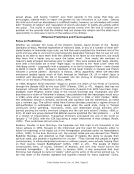
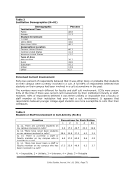
Information about the CCOs institutions, educational level, and employment information is
described in Table I. The study also attempted to gather information specific to active
groups and can offer those in recovery from cults a great deal of assistance (Langone,
1993). CCOs on college and university campuses have a distinct advantage of examining
this issue from a vantage point relevant to the purposes of this study.
Second, this study attempts to build on other research conducted to examine the issue of
cults on college and university campuses. Education and information dissemination for other
campus administrative populations has already been shown to be important (Elleven, Kern,
&Moore, 1998).
Method
Participants
Chief Counseling Officers (CCOs), who serve college and university students in need of
therapy, were chosen for this study. CCOs are in a unique position to assist people who
are, or have been, involved in cultic groups (Langone, 1993). The Association for
University and College Counseling Center Directors was contacted and mailing labels
purchased in order to mail out the cult questionnaire.
Instrument
The instrument was only slightly modified from a study published by Cultic Studies Journal
in 1998 (Elleven, Kern, &Moore). The instrument was designed to engage the CCO in
reference to knowledge he or she has with regard to cults on campus. Questions examined
both student and staff issues in addition to demographic data. There were nine demographic
items seven forced answer questions nine questions based on a semantic scale range of
―impossible – unlikely – unknown – likely – probable‖ one item requesting the respondent
to list cults on their campus and one item asking for the respondent‘s address if he or she
desired a copy of the results of the survey.
Procedure
The questionnaire was mailed out to all 572 CCOs in the United States. The questionnaire
was accompanied with a cover letter and asked that participants return the completed
instrument in two weeks. Completed questionnaires were inputted and analyzed using the
Statistical Package for Social Sciences (SPSS). Frequency counts and percentage
distributions were used to analyze the data.
Results
Surveys were returned by 81 CCOs which is a 14% return rate. The authors identified two
possibilities for the low return rate. First, there was no outside funding for this research. The
authors incurred all expenses, such as printing and postage. Because of this, follow-up
procedures normally incorporated in survey research were not utilized. Second, and possibly
more important, because the research had no institutional backing the authors could not
ethically use letterhead or envelopes with university affiliation. Surveys were sent after the
September 11, 2001 attack on the World Trade Center in New York City and Washington,
D.C. but before citizens were warned not to open envelopes with no return address because
of possible anthrax contamination.
Of the 81 surveys returned, 94% agreed with the “anti-cult” definition. A vast majority
of respondents (78%) believed that college and university administrators across the
nation should be concerned about cults on campus. Only 25%, however, believed
administrators on their own campus were concerned about cults.
Demographic Information
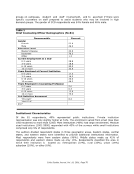
Information about the CCOs institutions, educational level, and employment information is
described in Table I. The study also attempted to gather information specific to active