Cultic Studies Journal, Vol. 18, 2001, Page 72
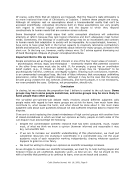
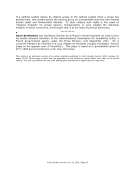
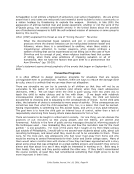
Perceived Probability of Future Cult Issues
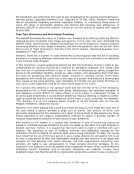
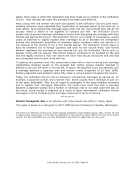
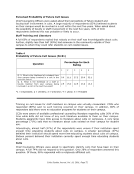
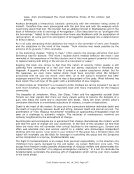
Chief Counseling Officers were asked about their perceptions of future student and
faculty/staff involvement in cults. A large majority of respondents (62%) believed students
on their campus would be involved in a cult within the next five years. When asked about
the possibility of faculty or staff involvement in the next five years, 40% of CCO
respondents believed this was probable or likely to occur.
Staff Training and Literature
A full 65% of respondents replied that nobody on their staff was knowledgeable about cults.
Further, slightly less than half (49%) had someone in the community outside of their
campus to whom they could refer students on cult-related issues.
Table 4
Probability of Future Cult Issues (N=81)
*1 =Impossible 2 =Unlikely 3 =Unknown 4 =Likely 5 =Probable
Training on cult issues for staff members on campus was virtually nonexistent. CCOs who
responded (89%) said no such training occurred on their campus. In addition, 86% of
responders said there were no education programs for students on their campus.
CCOs were aware of available professional counseling literature regarding cults 56% of the
time while 44% did not know of any such literature available to them on their campus.
Students apparently have little access to literature about cults on campuses. A very large
percentage (71%) said that no literature about cults existed on their campus for student
use.
Interestingly, almost half (47%) of the respondents were unsure if their institution spent
enough time educating students about cults on campus. A smaller percentage (37%)
believed their institution should spend more time educating students about cults on campus.
Sixteen percent believed their institution currently spent enough time educating students
about cults.
Cults
Chief Counseling Officers were asked to specifically identify cults that have been on their
campus. A full 74% did not respond to this question. Only 26% of responders answered this
question. Of those, 96% responded with a religiously affiliated cult.
Question
Percentage for Each
Rating
1 2 3 4 5
Q. 5. What is the likelihood of a student from
your campus being involved in a cult in the
next five years?
0.0 11.1 27.2 29.6 32.1
Q. 6. What is the likelihood of a staff or
faculty member from your campus being
involved in a cult in the next five years?
2.5 15.0 42.5 23.8 16.3
Perceived Probability of Future Cult Issues
Chief Counseling Officers were asked about their perceptions of future student and
faculty/staff involvement in cults. A large majority of respondents (62%) believed students
on their campus would be involved in a cult within the next five years. When asked about
the possibility of faculty or staff involvement in the next five years, 40% of CCO
respondents believed this was probable or likely to occur.
Staff Training and Literature
A full 65% of respondents replied that nobody on their staff was knowledgeable about cults.
Further, slightly less than half (49%) had someone in the community outside of their
campus to whom they could refer students on cult-related issues.
Table 4
Probability of Future Cult Issues (N=81)
*1 =Impossible 2 =Unlikely 3 =Unknown 4 =Likely 5 =Probable
Training on cult issues for staff members on campus was virtually nonexistent. CCOs who
responded (89%) said no such training occurred on their campus. In addition, 86% of
responders said there were no education programs for students on their campus.
CCOs were aware of available professional counseling literature regarding cults 56% of the
time while 44% did not know of any such literature available to them on their campus.
Students apparently have little access to literature about cults on campuses. A very large
percentage (71%) said that no literature about cults existed on their campus for student
use.
Interestingly, almost half (47%) of the respondents were unsure if their institution spent
enough time educating students about cults on campus. A smaller percentage (37%)
believed their institution should spend more time educating students about cults on campus.
Sixteen percent believed their institution currently spent enough time educating students
about cults.
Cults
Chief Counseling Officers were asked to specifically identify cults that have been on their
campus. A full 74% did not respond to this question. Only 26% of responders answered this
question. Of those, 96% responded with a religiously affiliated cult.
Question
Percentage for Each
Rating
1 2 3 4 5
Q. 5. What is the likelihood of a student from
your campus being involved in a cult in the
next five years?
0.0 11.1 27.2 29.6 32.1
Q. 6. What is the likelihood of a staff or
faculty member from your campus being
involved in a cult in the next five years?
2.5 15.0 42.5 23.8 16.3