Cultic Studies Journal, Vol. 18, 2001, Page 33
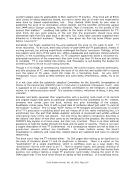
practice religious rites. However, current social discourse is questioning whether or not to
allow the use of mind control techniques in recruiting methods. Clearly, the freedom to
recruit for religion will become a major issue to be dealt with.
Fourth, there is freedom to act as a religious organization. The right of religious
organizations not to be discriminated against by the State for their organizational
characteristics has been widely debated in regard to this freedom. Under the Religious
Corporation Law, irrespective of its religious teachings, if a religious organization meets
certain requirements such as maintaining a set number of believers and having an
endowment, then it becomes certified as a religious corporation and as such gains the
privilege of income tax exemption. In post-War Japan, a crucial issue was whether to
recognize that specially designated shrines in Japan could receive special protection from
the government. Today, such protection is not recognized. The current concern questions
whether large religious organizations should be able to receive enormous amounts of non-
taxable cash income from top Japanese corporations, such as Toyota, and then expand their
organizations and activities. Another issue under debate is whether cult-like religious
organizations should enjoy the privilege of being exempt from paying taxes.
Two Model Cases
Two concrete case examples that demonstrate the disposition of Japanese court judgments
are introduced below.
Type 1: Medical Injury
As a result of performing incantations as (medical) treatment for a mentally ill patient, the
patient died. The court ruled that the religious persons involved were guilty of causing injury
that resulted in death. (Japanese Supreme Court judgment of 15 May 1963)
A leader of a religious organization, in trying to heal a mentally ill family member of a fellow
believer, performed a ceremony using incense to rid the body of evil spirits by holding down
the person, and the mentally ill person died of a heart attack. The leader of the religious
organization alleged that he was free to perform religious activities and that the act in
question was appropriate business conduct. The court issued a guilty verdict, stating that
the said act deviated from those acts considered to be within the scope of freedom of
religion.
It is widely believed that such religious ceremonies can heal illness. However, given today‘s
medical standards, any method for cure, including a religious one that leads to a fatality, is
not permissible. Still, problems quite similar to this keep reappearing even today.
A recent case of wide social concern involved a hospital that released a patient nearing
death to be supposedly saved by a religious group‘s leader, who claimed to have a special
healing power. Even after the patient had been dead for four months, the leader insisted
that the body would come back to life soon. Under this premise, the body was released and
mummified. (November 1999, Life Space case, currently under police investigation. Eight
members were arrested in February 2000, and the leader was charged with murder. The
prosecutor proposed fifteen years imprisonment with hard labor. The judgment will be
passed in February 2002. There have been a number of similar cases in which the crime of
corpse abandonment was cited.
Likewise, the problem of religious groups (such as Jehovah Witnesses) that reject blood
transfusions has perplexed many medical doctors and families in Japan. There was one case
in which the courts ruled that the father of a legally adult-aged child, who refused to have a
blood transfusion and thus die, could not ignore the will of his child and force the physicians
to give her a blood transfusion that would save her life. In a similar case, a doctor who
ignored the wish of his adult-aged patient not to have a blood transfusion and administered
practice religious rites. However, current social discourse is questioning whether or not to
allow the use of mind control techniques in recruiting methods. Clearly, the freedom to
recruit for religion will become a major issue to be dealt with.
Fourth, there is freedom to act as a religious organization. The right of religious
organizations not to be discriminated against by the State for their organizational
characteristics has been widely debated in regard to this freedom. Under the Religious
Corporation Law, irrespective of its religious teachings, if a religious organization meets
certain requirements such as maintaining a set number of believers and having an
endowment, then it becomes certified as a religious corporation and as such gains the
privilege of income tax exemption. In post-War Japan, a crucial issue was whether to
recognize that specially designated shrines in Japan could receive special protection from
the government. Today, such protection is not recognized. The current concern questions
whether large religious organizations should be able to receive enormous amounts of non-
taxable cash income from top Japanese corporations, such as Toyota, and then expand their
organizations and activities. Another issue under debate is whether cult-like religious
organizations should enjoy the privilege of being exempt from paying taxes.
Two Model Cases
Two concrete case examples that demonstrate the disposition of Japanese court judgments
are introduced below.
Type 1: Medical Injury
As a result of performing incantations as (medical) treatment for a mentally ill patient, the
patient died. The court ruled that the religious persons involved were guilty of causing injury
that resulted in death. (Japanese Supreme Court judgment of 15 May 1963)
A leader of a religious organization, in trying to heal a mentally ill family member of a fellow
believer, performed a ceremony using incense to rid the body of evil spirits by holding down
the person, and the mentally ill person died of a heart attack. The leader of the religious
organization alleged that he was free to perform religious activities and that the act in
question was appropriate business conduct. The court issued a guilty verdict, stating that
the said act deviated from those acts considered to be within the scope of freedom of
religion.
It is widely believed that such religious ceremonies can heal illness. However, given today‘s
medical standards, any method for cure, including a religious one that leads to a fatality, is
not permissible. Still, problems quite similar to this keep reappearing even today.
A recent case of wide social concern involved a hospital that released a patient nearing
death to be supposedly saved by a religious group‘s leader, who claimed to have a special
healing power. Even after the patient had been dead for four months, the leader insisted
that the body would come back to life soon. Under this premise, the body was released and
mummified. (November 1999, Life Space case, currently under police investigation. Eight
members were arrested in February 2000, and the leader was charged with murder. The
prosecutor proposed fifteen years imprisonment with hard labor. The judgment will be
passed in February 2002. There have been a number of similar cases in which the crime of
corpse abandonment was cited.
Likewise, the problem of religious groups (such as Jehovah Witnesses) that reject blood
transfusions has perplexed many medical doctors and families in Japan. There was one case
in which the courts ruled that the father of a legally adult-aged child, who refused to have a
blood transfusion and thus die, could not ignore the will of his child and force the physicians
to give her a blood transfusion that would save her life. In a similar case, a doctor who
ignored the wish of his adult-aged patient not to have a blood transfusion and administered