Cultic Studies Journal, Vol. 18, 2001, Page 2
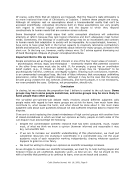
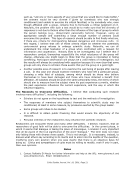
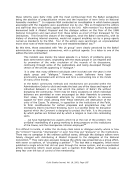
CONTENTS
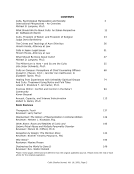
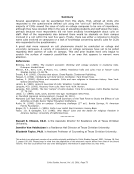
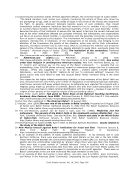
Cults, Psychological Manipulation and Society: 3
International Perspectives – An Overview
Michael D. Langone, Ph.D.
What Should We Do About Cults: An Italian Perspective 11
Dr. Raffaella Di Marzio
Cults, Freedom of Belief, and Freedom of Religion 23
Judge Denis Barthelemy
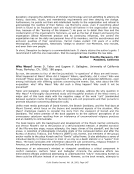
The Crimes and Teachings of Aum Shinrikyo 26
Hiroshi Hirata, Attorney at Law
Cults in Japan: Legal Issues 31
Hiroshi Hirata, Attorney at Law
What Should Be Done About Cults? 47
Michael D. Langone, Ph.D.
The Millennium is Here – and So are the Cults 55
Lita Linzer Schwartz, Ph.D.
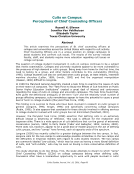
Cults on Campus: Perceptions of Chief Counseling Officers 68
Russell K. Elleven, Ed.D. Jennifer Van Veldhuizen &
Elizabeth Taylor, Ph.D.
Healing from Experiences with Unhealthy Spiritual Groups 74
And Cults: Treatment Using Myths and Folk Tales
Leland E. Shields &F. Jeri Carter, Ph.D.
Enemies Within: Conflict and Control in the Baha‘I 94
Community
Karen Bacquet
Arousal, Capacity, and Intense Indoctrination 113
Robert S. Baron, Ph.D.
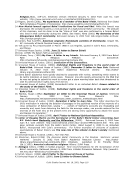
Book Reviews
Therapeutic Touch 137
Reviewer: Larry Sarner
Mesmerized: The History of Mesmerization in Victorian Britain 142
Reviewer: Herbert L. Rosedale, Esq.
Other Altars: Roots and Realities of Cultic and 143
Satanic Ritual Abuse and Multiple Personality Disorder
Reviewer: Marvin W. Clifford, Ph.D.
Deception by Design: The Mormon Story 144
Reviewer: Brother Timothy Mayworm, FSC
Why Waco? 145
Reviewer: Maxine Pinson
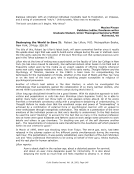
Destroying the World to Save It 146
Reviewer: Rev. Walter Debold
*Note: these pages referenced are different than the original published journal. Please check the end of each
article for the original pagination.
CONTENTS
Cults, Psychological Manipulation and Society: 3
International Perspectives – An Overview
Michael D. Langone, Ph.D.
What Should We Do About Cults: An Italian Perspective 11
Dr. Raffaella Di Marzio
Cults, Freedom of Belief, and Freedom of Religion 23
Judge Denis Barthelemy
The Crimes and Teachings of Aum Shinrikyo 26
Hiroshi Hirata, Attorney at Law
Cults in Japan: Legal Issues 31
Hiroshi Hirata, Attorney at Law
What Should Be Done About Cults? 47
Michael D. Langone, Ph.D.
The Millennium is Here – and So are the Cults 55
Lita Linzer Schwartz, Ph.D.
Cults on Campus: Perceptions of Chief Counseling Officers 68
Russell K. Elleven, Ed.D. Jennifer Van Veldhuizen &
Elizabeth Taylor, Ph.D.
Healing from Experiences with Unhealthy Spiritual Groups 74
And Cults: Treatment Using Myths and Folk Tales
Leland E. Shields &F. Jeri Carter, Ph.D.
Enemies Within: Conflict and Control in the Baha‘I 94
Community
Karen Bacquet
Arousal, Capacity, and Intense Indoctrination 113
Robert S. Baron, Ph.D.
Book Reviews
Therapeutic Touch 137
Reviewer: Larry Sarner
Mesmerized: The History of Mesmerization in Victorian Britain 142
Reviewer: Herbert L. Rosedale, Esq.
Other Altars: Roots and Realities of Cultic and 143
Satanic Ritual Abuse and Multiple Personality Disorder
Reviewer: Marvin W. Clifford, Ph.D.
Deception by Design: The Mormon Story 144
Reviewer: Brother Timothy Mayworm, FSC
Why Waco? 145
Reviewer: Maxine Pinson
Destroying the World to Save It 146
Reviewer: Rev. Walter Debold
*Note: these pages referenced are different than the original published journal. Please check the end of each
article for the original pagination.