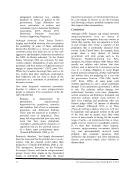
perspectives on charismatic leadership in cultic
environments, with the intention of further
clarifying the trajectories of Pastor X and of the
BCW.
Godly Qualities
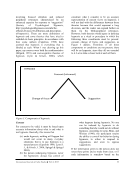
Weber (1906) defined charismatic leaders as
individuals who possess certain qualities that set
them apart from others, qualities that followers
see as exceptional in the sense of being
superhuman, supernatural, or even godly.
Charismatic leaders also are characterized by the
intensity of the relationship that develops
between their followers and themselves, and by
the high degree of trust and faith they experience
toward themselves. Followers develop these
high degrees of trust and faith even in
circumstances wherein they rarely or never have
personal contact with the leaders they venerate
(Weber, 1906). The idea of supernatural or
superhuman qualities is often present in the
biographies, sometimes even in the
autobiographies, of charismatic leaders and
these qualities are communicated amongst
followers as myths that appear to be valued as
evidence of the leaders’ superhuman
exceptionality. But extraordinary qualities are
not sufficient for charismatic leadership to
emerge, according to many authors who put
emphasis on a number of interactive and
dynamic processes within the group (Casoni,
1997 Casoni &Brunet, 2005 Chouvier, 1999
Chouvier &Morhain, 2008 Dawson, 2002,
2010 Friedland, 1964 Gardner &Avolio, 1998
Gardner, Avolio, Luthans, May, &Walumbwa,
2005 Howell &Shamir, 2005 Roy, 1998
Wallis, 1982).
Shared Ideals
Apart from doctrinal matters, the main link
between a follower and a leader consists of the
ideals they share (Casoni, 2001, 2005 Casoni &
Brunet, 2005 Lord &Brown, 2004 Zablocki,
1980). These ideals form the basis not only of
their faith, but also and more importantly of their
bond (Casoni, 1997, 2000 Weber, 1909). The
sharing of ideals is such an important process
that it has been seen as paramount in the
establishment of charismatic leadership (Casoni
&Brunet, 2005 Chouvier &Morhain, 2008
Drummond, 1983 Gardner &Avolio, 1998
Kernberg, 2003a, 2003b Lord &Brown, 2004
Roy, 1998). An idealization process is at the
basis of both the construction of charismatic
leadership and the project that binds the group to
its leader. As Drummond (1983) has discussed,
the followers’ devotion to their leader acts like a
mirror that reflects to him his wish of being seen
as someone exceptional. The ensuing illusion is
all the more intense when the leader successfully
obtains ever more acts of loyalty and devotion
from his followers through their comittment to
the projects he requires them to accomplish.
They, as a reward, bask in the reflection of their
leader’s superiority and greatness
(Bertrand,1999 Casoni, 1997 Casoni &Brunet,
2005 Durif-Varembont, 2004 Lane &Kent,
2008). Lane and Kent (2008) have pointed out
that some leaders present elements of
megalomania, giving their projects an
exagerated and even unrealizable aspect, which
influences their view of their followers and of
the outside world.
Worldviews
The projects leaders launch their followers into
are closely related to the worldview leaders
hold. This worldview, in turn, will determine
their interactions with social-control agencies
and with the law. In the case of the BCW, three
different worldviews seem to have influenced
their interactions throughout their trajectory,
both within the group and with the outside
world. Each worldview notably impacted the
way they treated their children and considered
social-control agencies.
The first worldview relevant to the BCW’s
history can be described as a philosophy of
separation, according to which groups seek to
enforce orthodoxy by requiring their members to
differentiate themselves from nonbelievers in
every symbolic way possible, be it through
speech, dress, attitude, code of conduct, or the
like (Casoni, 2000). In such groups, members
most often live and work amongst the general
population, and leadership is usually shared by a
small elite that acts as an internal social-control
agency that exercises power more often by way
of subtle persuasion than by authoritarian
control.
84 International Journal of Cultic Studies ■ Vol. 6, 2015
environments, with the intention of further
clarifying the trajectories of Pastor X and of the
BCW.
Godly Qualities
Weber (1906) defined charismatic leaders as
individuals who possess certain qualities that set
them apart from others, qualities that followers
see as exceptional in the sense of being
superhuman, supernatural, or even godly.
Charismatic leaders also are characterized by the
intensity of the relationship that develops
between their followers and themselves, and by
the high degree of trust and faith they experience
toward themselves. Followers develop these
high degrees of trust and faith even in
circumstances wherein they rarely or never have
personal contact with the leaders they venerate
(Weber, 1906). The idea of supernatural or
superhuman qualities is often present in the
biographies, sometimes even in the
autobiographies, of charismatic leaders and
these qualities are communicated amongst
followers as myths that appear to be valued as
evidence of the leaders’ superhuman
exceptionality. But extraordinary qualities are
not sufficient for charismatic leadership to
emerge, according to many authors who put
emphasis on a number of interactive and
dynamic processes within the group (Casoni,
1997 Casoni &Brunet, 2005 Chouvier, 1999
Chouvier &Morhain, 2008 Dawson, 2002,
2010 Friedland, 1964 Gardner &Avolio, 1998
Gardner, Avolio, Luthans, May, &Walumbwa,
2005 Howell &Shamir, 2005 Roy, 1998
Wallis, 1982).
Shared Ideals
Apart from doctrinal matters, the main link
between a follower and a leader consists of the
ideals they share (Casoni, 2001, 2005 Casoni &
Brunet, 2005 Lord &Brown, 2004 Zablocki,
1980). These ideals form the basis not only of
their faith, but also and more importantly of their
bond (Casoni, 1997, 2000 Weber, 1909). The
sharing of ideals is such an important process
that it has been seen as paramount in the
establishment of charismatic leadership (Casoni
&Brunet, 2005 Chouvier &Morhain, 2008
Drummond, 1983 Gardner &Avolio, 1998
Kernberg, 2003a, 2003b Lord &Brown, 2004
Roy, 1998). An idealization process is at the
basis of both the construction of charismatic
leadership and the project that binds the group to
its leader. As Drummond (1983) has discussed,
the followers’ devotion to their leader acts like a
mirror that reflects to him his wish of being seen
as someone exceptional. The ensuing illusion is
all the more intense when the leader successfully
obtains ever more acts of loyalty and devotion
from his followers through their comittment to
the projects he requires them to accomplish.
They, as a reward, bask in the reflection of their
leader’s superiority and greatness
(Bertrand,1999 Casoni, 1997 Casoni &Brunet,
2005 Durif-Varembont, 2004 Lane &Kent,
2008). Lane and Kent (2008) have pointed out
that some leaders present elements of
megalomania, giving their projects an
exagerated and even unrealizable aspect, which
influences their view of their followers and of
the outside world.
Worldviews
The projects leaders launch their followers into
are closely related to the worldview leaders
hold. This worldview, in turn, will determine
their interactions with social-control agencies
and with the law. In the case of the BCW, three
different worldviews seem to have influenced
their interactions throughout their trajectory,
both within the group and with the outside
world. Each worldview notably impacted the
way they treated their children and considered
social-control agencies.
The first worldview relevant to the BCW’s
history can be described as a philosophy of
separation, according to which groups seek to
enforce orthodoxy by requiring their members to
differentiate themselves from nonbelievers in
every symbolic way possible, be it through
speech, dress, attitude, code of conduct, or the
like (Casoni, 2000). In such groups, members
most often live and work amongst the general
population, and leadership is usually shared by a
small elite that acts as an internal social-control
agency that exercises power more often by way
of subtle persuasion than by authoritarian
control.
84 International Journal of Cultic Studies ■ Vol. 6, 2015