involving focused attention and reduced
peripheral awareness characterized by an
enhanced capacity for response to “suggestion”
(Society of Psychological Hypnosis,
http://psychologicalhypnosis.com/info/the-
official-division-30-definition-and-description-
of-hypnosis/). There are more definitions of
hypnosis and some theories that have tried to
establish its basic principles. In accordance with
that, some authors (Capafons, 1999) have
asserted that hypnosis is everything that is
labeled as such. When I was drawing up this
paper, my sources were both the neodissociative
(Hilgard, 1991) and sociocognitive theories of
hypnosis (Lynn &Kirsch, 2006), which
constitute what I consider to be an accurate
representation of current views on hypnosis. I
will not deal with the differences between those
theories because that would represent a long
diversion, and the reader can expand further on
them via the bibliographical references.
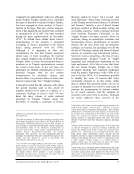
However, both theories would agree in defining
hypnosis as a ritual or procedure in which the
following three constituents must be present:
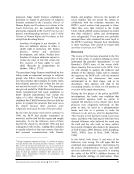
consent, change of focus, and suggestion, as
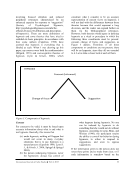
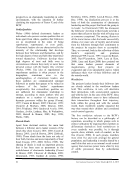
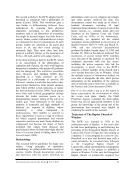
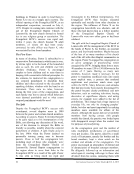
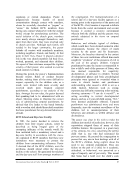
Figure 3 depicts. Therefore, if all these
components or conditions are not present, there
will be no hypnosis, since they all are essential
to it. Let us take a closer look at each of them.
Figure 3. Components of hypnosis.
Consent
For consent to be valid, it must be based upon
accurate information about what is and what is
not hypnosis. Basically, this means that
(a) under hypnosis, nothing will happen that
would not occur in many everyday
situations that is to say, hypnosis is a
natural process (Capafons 1998 Lynn S.
J., &Kirsch, I. 2006 Spiegel &Spiegel
2004).
(b) the person undergoing hypnosis, never
the hypnotizer, always has control of
what happens during hypnosis. No one
can be induced by hypnosis to do
something that she would not do without
hypnosis. According to Lynn, Rhue, and
Weekes (1990), the participant retains
the ability to control her behavior during
hypnosis, to refuse to respond to
suggestions, and even to oppose
suggestions.
If the information given to the person does not
stress these points and so make them clear, or if
such information is somehow based on the
HYPNOSIS
Consent (Informed)
Change of focus Suggestion
International Journal of Cultic Studies ■ Vol. 6, 2015 53
peripheral awareness characterized by an
enhanced capacity for response to “suggestion”
(Society of Psychological Hypnosis,
http://psychologicalhypnosis.com/info/the-
official-division-30-definition-and-description-
of-hypnosis/). There are more definitions of
hypnosis and some theories that have tried to
establish its basic principles. In accordance with
that, some authors (Capafons, 1999) have
asserted that hypnosis is everything that is
labeled as such. When I was drawing up this
paper, my sources were both the neodissociative
(Hilgard, 1991) and sociocognitive theories of
hypnosis (Lynn &Kirsch, 2006), which
constitute what I consider to be an accurate
representation of current views on hypnosis. I
will not deal with the differences between those
theories because that would represent a long
diversion, and the reader can expand further on
them via the bibliographical references.
However, both theories would agree in defining
hypnosis as a ritual or procedure in which the
following three constituents must be present:
consent, change of focus, and suggestion, as
Figure 3 depicts. Therefore, if all these
components or conditions are not present, there
will be no hypnosis, since they all are essential
to it. Let us take a closer look at each of them.
Figure 3. Components of hypnosis.
Consent
For consent to be valid, it must be based upon
accurate information about what is and what is
not hypnosis. Basically, this means that
(a) under hypnosis, nothing will happen that
would not occur in many everyday
situations that is to say, hypnosis is a
natural process (Capafons 1998 Lynn S.
J., &Kirsch, I. 2006 Spiegel &Spiegel
2004).
(b) the person undergoing hypnosis, never
the hypnotizer, always has control of
what happens during hypnosis. No one
can be induced by hypnosis to do
something that she would not do without
hypnosis. According to Lynn, Rhue, and
Weekes (1990), the participant retains
the ability to control her behavior during
hypnosis, to refuse to respond to
suggestions, and even to oppose
suggestions.
If the information given to the person does not
stress these points and so make them clear, or if
such information is somehow based on the
HYPNOSIS
Consent (Informed)
Change of focus Suggestion
International Journal of Cultic Studies ■ Vol. 6, 2015 53