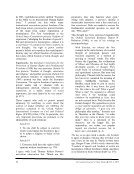
Similarly, I found that all authors provided
examples of their parents acting within religious
demands, despite apparent contradiction with
familial commitments.
High levels of religious commitment imply
compliance with doctrines: “…the impermeable,
albeit invisible, confines of the structure do not
allow for the possibility to ‘act otherwise’ in any
significant sense—unless, of course, the person
leaves the group” (Lalich, 2004, p. 18). Several
authors implied that their parents questioned or
did not comply with some religious demands.
This questioning and noncompliance
demonstrated authors’ beliefs that some parents
did “act otherwise” in ways that impacted their
emotional disposition (and, occasionally, their
overall well-being). Several parents in these
memoirs negotiated their social position and
“did family” in such a way that risked harsh
discipline from the community for minor
victories. Although several authors claimed that
their parents had acted otherwise in efforts to
help their children, only one family did not
comply with enough religious demands to
collectively leave the group.
Descriptions of compliance and noncompliance
were common to all memoirs. One parent at
times complied and other times did not with
some or all religious doctrines and community
power relations. Moreover, some parents’
actions were simultaneously noncompliant and
compliant (i.e., some parents did not comply
with specific doctrines through other religious
mechanisms). Very few acts of noncompliance
(and possibly none by parents) transformed
power relationships.
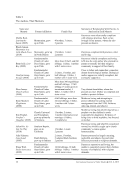
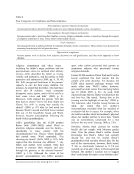
I created four main categories of compliance and
noncompliance with church doctrines and norms
that authors narrated (see Table 2). Accounts of
noncompliance occurred either through religious
mechanisms or against them, and accounts of
compliance were total or hypocritical.
Noncompliance against religious mechanisms
involved descriptions of parents’ attempted
prioritization of children’s needs over religious
demands, such as when parents contacted
excommunicated children. Noncompliance
through religious mechanisms involved parents
who authors claimed sought help from religious
authorities in often-futile efforts to protect their
children. Authors claimed parents attempting
total compliance tried to follow religious
doctrines perfectly. Hypocritical compliance
involved authors detailing parents who followed
some doctrines, but deviated for self-
gratification (i.e., drinking liquor or committing
adultery). All hypocritically compliant parents—
Scheeres’s parents (2005), Flora Jessop’s father
(2009), and Mackert’s father (2008)—were
presented as neglectful and abusive.
Authors acknowledged how social conditions
limited parents who were noncompliant or
compliant (but not hypocritical), which allowed
them to be loyal to their families and religion
simultaneously. Alternatively, these parents
appeared to have nonunitary subjectivities,
authors presented parents who seemed
hypocritically compliant, as if their abusive
actions resulted from innate cruelty that they
could not attribute to social conditions. Authors
with hypocritical parents underemphasized their
parents’ nonunitary subjectivity and shared few
emotions beyond anger.
Noncompliance Against the Religion
Authors presented noncompliance against
religion as deeply problematic for most parents.
They implied that parental noncompliance was
inconsistent or intentionally limited, to avoid
discipline from church authority. Noncompliant
acts could signify lapses in religious
commitment that most religious adherents
experience, but “it is the resolution of such
crises that pushes the believer to believe even
more strongly” (Lalich, 2004, p. 18). These
parents appeared highly committed to their
religion, despite noncompliant actions (which
could represent nonunitary subjectivity and their
conflicting roles as parents and adherents).
Indeed, according to the memoirs, all parents
(except for the Jeffs) maintained their religious
involvement while the authors were underage.
Brent Jeffs portrayed his mother (Susan) and
father (Ward) as initially compliant with FLDS’s
demands (2009, pp. 26–27). Jeffs and his
siblings faced hardships because of his parents’
compliance with FLDS norms and doctrines
(including alleged sexual assault from his uncle
and future prophet, Warren Jeffs). As a result of
24 International Journal of Cultic Studies ■ Vol. 6, 2015
examples of their parents acting within religious
demands, despite apparent contradiction with
familial commitments.
High levels of religious commitment imply
compliance with doctrines: “…the impermeable,
albeit invisible, confines of the structure do not
allow for the possibility to ‘act otherwise’ in any
significant sense—unless, of course, the person
leaves the group” (Lalich, 2004, p. 18). Several
authors implied that their parents questioned or
did not comply with some religious demands.
This questioning and noncompliance
demonstrated authors’ beliefs that some parents
did “act otherwise” in ways that impacted their
emotional disposition (and, occasionally, their
overall well-being). Several parents in these
memoirs negotiated their social position and
“did family” in such a way that risked harsh
discipline from the community for minor
victories. Although several authors claimed that
their parents had acted otherwise in efforts to
help their children, only one family did not
comply with enough religious demands to
collectively leave the group.
Descriptions of compliance and noncompliance
were common to all memoirs. One parent at
times complied and other times did not with
some or all religious doctrines and community
power relations. Moreover, some parents’
actions were simultaneously noncompliant and
compliant (i.e., some parents did not comply
with specific doctrines through other religious
mechanisms). Very few acts of noncompliance
(and possibly none by parents) transformed
power relationships.
I created four main categories of compliance and
noncompliance with church doctrines and norms
that authors narrated (see Table 2). Accounts of
noncompliance occurred either through religious
mechanisms or against them, and accounts of
compliance were total or hypocritical.
Noncompliance against religious mechanisms
involved descriptions of parents’ attempted
prioritization of children’s needs over religious
demands, such as when parents contacted
excommunicated children. Noncompliance
through religious mechanisms involved parents
who authors claimed sought help from religious
authorities in often-futile efforts to protect their
children. Authors claimed parents attempting
total compliance tried to follow religious
doctrines perfectly. Hypocritical compliance
involved authors detailing parents who followed
some doctrines, but deviated for self-
gratification (i.e., drinking liquor or committing
adultery). All hypocritically compliant parents—
Scheeres’s parents (2005), Flora Jessop’s father
(2009), and Mackert’s father (2008)—were
presented as neglectful and abusive.
Authors acknowledged how social conditions
limited parents who were noncompliant or
compliant (but not hypocritical), which allowed
them to be loyal to their families and religion
simultaneously. Alternatively, these parents
appeared to have nonunitary subjectivities,
authors presented parents who seemed
hypocritically compliant, as if their abusive
actions resulted from innate cruelty that they
could not attribute to social conditions. Authors
with hypocritical parents underemphasized their
parents’ nonunitary subjectivity and shared few
emotions beyond anger.
Noncompliance Against the Religion
Authors presented noncompliance against
religion as deeply problematic for most parents.
They implied that parental noncompliance was
inconsistent or intentionally limited, to avoid
discipline from church authority. Noncompliant
acts could signify lapses in religious
commitment that most religious adherents
experience, but “it is the resolution of such
crises that pushes the believer to believe even
more strongly” (Lalich, 2004, p. 18). These
parents appeared highly committed to their
religion, despite noncompliant actions (which
could represent nonunitary subjectivity and their
conflicting roles as parents and adherents).
Indeed, according to the memoirs, all parents
(except for the Jeffs) maintained their religious
involvement while the authors were underage.
Brent Jeffs portrayed his mother (Susan) and
father (Ward) as initially compliant with FLDS’s
demands (2009, pp. 26–27). Jeffs and his
siblings faced hardships because of his parents’
compliance with FLDS norms and doctrines
(including alleged sexual assault from his uncle
and future prophet, Warren Jeffs). As a result of
24 International Journal of Cultic Studies ■ Vol. 6, 2015