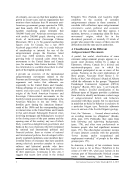
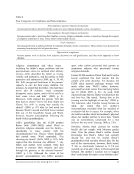
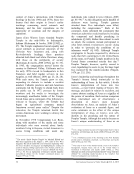
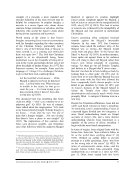
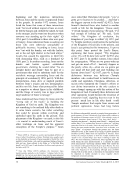
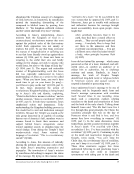
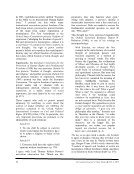
Table 2
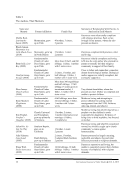
Four Categories of Compliance and Noncompliance
Noncompliance against religious mechanisms
Actions parents take to prioritize family needs over any religious demands, norms, or practices.
Noncompliance through religious mechanisms
Actions parents take to prioritize their families over any religious demands, norms, or practices through the support
of religious authorities or texts. These efforts often lacked success.
Total compliance
Actions parents took to adhere perfectly to religious demands, norms, or practices. These actions were presented as
stemming from deeply held religious devotion.
Hypocritical compliance
Actions parents took to deviate from selective doctrines for self-gratification, and that often appeared to harm
children.
religious commitment and other issues—
including his father’s anger problems and the
post-traumatic stress he suffered after military
service—Jeffs described his father as loving,
volatile, and inattentive, and his mother as both
protective and submissive (2009, pp. 9, 38, 49,
80). Jeffs recognized limitations of his parents’
capacity to care for their many children. For
instance, he stated that his father, who had three
wives and 20 children, “must constantly
disappoint, reject, ignore, and/or fail to satisfy at
least some wives and kids” (2009, p. 9).
Moreover, Jeffs claimed his parents “felt like
they had no choice” but to let their eldest son
Clayne live with “a young man outside the
church” (2009, p. 87) after he had acted out
because Ward’s second and third wives wanted
him out of the household. Susan and Ward,
however, became noncompliant following the
death of their granddaughter.
Jeffs’s grandfather (the late FLDS prophet
Rulon Jeffs [1909–2002]) asked Ward to
prioritize religious demands over his family—
specifically to cease contact with his
excommunicated son, Clayne, whose daughter
had passed away. Ward responded, “I’m
choosing my family” (Jeffs, 2009, p. 110). Jeffs
argued that this decision was difficult: “…my
father and mother were crushed. They had
wanted to practice their religion and pass
through the gateway to the celestial heavens”
(2009, p. 111). Although the extent of his
parents’ noncompliance sets Jeffs’s narrative
apart, other authors presented their parents as
nonunitary subjects who questioned certain
religious demands.
Former FLDS members Elissa Wall and Carolyn
Jessop explained that their parents did not
comply with some doctrines. For instance, the
FLDS often married underage women with
much older men. Wall’s father, however,
prevented her older sisters from marrying before
age 18 (Wall, 2009, p. 41). As such, Wall
expressed hope that her father would protect her
and love her. She stated, “Seeing him in the
evening was the highlight of our day” (2009, p.
30). Likewise, after Carolyn Jessop became an
adult, she stated that her mother’s
noncompliance exceeded what her standard of
evaluation led her to expect. For example, when
she told her mother about her husband’s physical
abuse, her mother told her to leave him, “which
was an extraordinary turnaround for a true
believer like my mom” (Jessop, 2008, p. 276).
Similarly, Martha Beck claimed her mother
briefly did not comply with Mormon gender
roles. Over the phone, Beck’s mother shared
knowledge that Beck’s father had sexually
abused her, and that his mother (Beck’s
grandmother) had sexually abused him. By the
end of the conversation, however, Beck stated,
“I felt as emotionally battered as if I’d just
crawled out of an alley where I’d been raped and
tortured. My mother’s reaction was to suggest
that I could make the rapist a nice birthday cake”
International Journal of Cultic Studies ■ Vol. 6, 2015 25
Four Categories of Compliance and Noncompliance
Noncompliance against religious mechanisms
Actions parents take to prioritize family needs over any religious demands, norms, or practices.
Noncompliance through religious mechanisms
Actions parents take to prioritize their families over any religious demands, norms, or practices through the support
of religious authorities or texts. These efforts often lacked success.
Total compliance
Actions parents took to adhere perfectly to religious demands, norms, or practices. These actions were presented as
stemming from deeply held religious devotion.
Hypocritical compliance
Actions parents took to deviate from selective doctrines for self-gratification, and that often appeared to harm
children.
religious commitment and other issues—
including his father’s anger problems and the
post-traumatic stress he suffered after military
service—Jeffs described his father as loving,
volatile, and inattentive, and his mother as both
protective and submissive (2009, pp. 9, 38, 49,
80). Jeffs recognized limitations of his parents’
capacity to care for their many children. For
instance, he stated that his father, who had three
wives and 20 children, “must constantly
disappoint, reject, ignore, and/or fail to satisfy at
least some wives and kids” (2009, p. 9).
Moreover, Jeffs claimed his parents “felt like
they had no choice” but to let their eldest son
Clayne live with “a young man outside the
church” (2009, p. 87) after he had acted out
because Ward’s second and third wives wanted
him out of the household. Susan and Ward,
however, became noncompliant following the
death of their granddaughter.
Jeffs’s grandfather (the late FLDS prophet
Rulon Jeffs [1909–2002]) asked Ward to
prioritize religious demands over his family—
specifically to cease contact with his
excommunicated son, Clayne, whose daughter
had passed away. Ward responded, “I’m
choosing my family” (Jeffs, 2009, p. 110). Jeffs
argued that this decision was difficult: “…my
father and mother were crushed. They had
wanted to practice their religion and pass
through the gateway to the celestial heavens”
(2009, p. 111). Although the extent of his
parents’ noncompliance sets Jeffs’s narrative
apart, other authors presented their parents as
nonunitary subjects who questioned certain
religious demands.
Former FLDS members Elissa Wall and Carolyn
Jessop explained that their parents did not
comply with some doctrines. For instance, the
FLDS often married underage women with
much older men. Wall’s father, however,
prevented her older sisters from marrying before
age 18 (Wall, 2009, p. 41). As such, Wall
expressed hope that her father would protect her
and love her. She stated, “Seeing him in the
evening was the highlight of our day” (2009, p.
30). Likewise, after Carolyn Jessop became an
adult, she stated that her mother’s
noncompliance exceeded what her standard of
evaluation led her to expect. For example, when
she told her mother about her husband’s physical
abuse, her mother told her to leave him, “which
was an extraordinary turnaround for a true
believer like my mom” (Jessop, 2008, p. 276).
Similarly, Martha Beck claimed her mother
briefly did not comply with Mormon gender
roles. Over the phone, Beck’s mother shared
knowledge that Beck’s father had sexually
abused her, and that his mother (Beck’s
grandmother) had sexually abused him. By the
end of the conversation, however, Beck stated,
“I felt as emotionally battered as if I’d just
crawled out of an alley where I’d been raped and
tortured. My mother’s reaction was to suggest
that I could make the rapist a nice birthday cake”
International Journal of Cultic Studies ■ Vol. 6, 2015 25