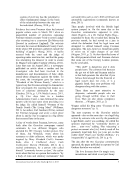
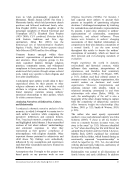
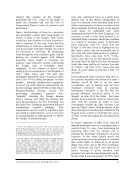
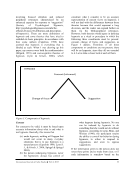
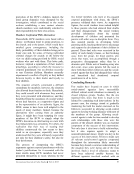
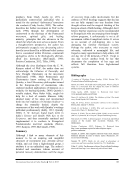
Political or Social Power
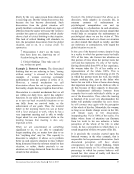
(c) INFLUENCER’S METHODS [WHAT/
HOW]
“Foot in the Door” [Small request, then
larger one]
“Door-in-the Face” [Large request, then
small one]
“Help Me Help You”
“Won’t You Help?”
“Don’t You Want to Do the Right Thing?”
“I’m Really Depending on You”
“This May Be Your Only Chance”
“Everyone’s Doing It” [“Don’t Be Left
Behind”]
“God Has Selected You”
“Love-Bombing”
“Grooming”/Progression of Seduction
–The Bait
–Building Trust
–Sweetening the Scam
–Closing the Fraud
(d) CIRCUMSTANCES [WHERE/WHEN]
Location
Control of Physical Environment
Control of Information (Input and Output)
Access to Independent Advice
Frequency, Duration, and Nature of the
Contacts
(e) INFLUENCEE’S RECEPTIVITY/
VULNERABILITY [WHO]5
5 Brown, Scheflin, and Hammond (1998) identify six different
types of compliance with suggestions:
(a) Source Credibility
Expertise
Training and Experience
Familiarity [agrees with your prior beliefs]
Charisma
Personality Type (Individual Differences)
Hypnotic Induction Profile (HIP)
Revised Stanford Profile Scales of Hypnotic
Susceptibility, Forms I and II
Gudjonsson Suggestibility Scales
(f) CONSEQUENCES [WHAT]
Financial
Behavioral
Ideological
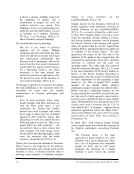
Emerging Scientific Support for
Brainwashing and Undue Influence
Events of the past decade and in process today
raise the interesting prospect that courts and
others may be more responsive to claims of
brainwashing and undue influence in
psychological, as opposed to financial,
situations. For example, Kathleen Taylor’s
Brainwashing: The Science of Thought Control
(2004) invites neuroscientists to study the
physiological implications of brainwashing and
other forms of extreme social influence. Can
brainwashing be described and understood from
inside the brain by examining the physiological
changes that occur when methods of extreme
influence are employed to alter a person’s
thoughts and beliefs? Taylor poses five
psychological questions she believes deserve
neuroscientific investigation:
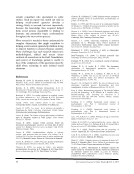
(a) Why are some people more susceptible to
extreme influence, while others more easily
resist?
(b) Which techniques are most effective against
which particular individuals?
Authenticity/Sincerity
Perceived Status [Awards Appointments]
(b) Post-Event Misinformation Effect
(c) Interrogatory Suggestibility
(d) Hypnotic Suggestibility
(e) Exposure to Systematic and Sustained Influences
(f) Brainwashing/Coercive Persuasion/Extreme Influence
78 International Journal of Cultic Studies ■ Vol. 6, 2015
(c) INFLUENCER’S METHODS [WHAT/
HOW]
“Foot in the Door” [Small request, then
larger one]
“Door-in-the Face” [Large request, then
small one]
“Help Me Help You”
“Won’t You Help?”
“Don’t You Want to Do the Right Thing?”
“I’m Really Depending on You”
“This May Be Your Only Chance”
“Everyone’s Doing It” [“Don’t Be Left
Behind”]
“God Has Selected You”
“Love-Bombing”
“Grooming”/Progression of Seduction
–The Bait
–Building Trust
–Sweetening the Scam
–Closing the Fraud
(d) CIRCUMSTANCES [WHERE/WHEN]
Location
Control of Physical Environment
Control of Information (Input and Output)
Access to Independent Advice
Frequency, Duration, and Nature of the
Contacts
(e) INFLUENCEE’S RECEPTIVITY/
VULNERABILITY [WHO]5
5 Brown, Scheflin, and Hammond (1998) identify six different
types of compliance with suggestions:
(a) Source Credibility
Expertise
Training and Experience
Familiarity [agrees with your prior beliefs]
Charisma
Personality Type (Individual Differences)
Hypnotic Induction Profile (HIP)
Revised Stanford Profile Scales of Hypnotic
Susceptibility, Forms I and II
Gudjonsson Suggestibility Scales
(f) CONSEQUENCES [WHAT]
Financial
Behavioral
Ideological
Emerging Scientific Support for
Brainwashing and Undue Influence
Events of the past decade and in process today
raise the interesting prospect that courts and
others may be more responsive to claims of
brainwashing and undue influence in
psychological, as opposed to financial,
situations. For example, Kathleen Taylor’s
Brainwashing: The Science of Thought Control
(2004) invites neuroscientists to study the
physiological implications of brainwashing and
other forms of extreme social influence. Can
brainwashing be described and understood from
inside the brain by examining the physiological
changes that occur when methods of extreme
influence are employed to alter a person’s
thoughts and beliefs? Taylor poses five
psychological questions she believes deserve
neuroscientific investigation:
(a) Why are some people more susceptible to
extreme influence, while others more easily
resist?
(b) Which techniques are most effective against
which particular individuals?
Authenticity/Sincerity
Perceived Status [Awards Appointments]
(b) Post-Event Misinformation Effect
(c) Interrogatory Suggestibility
(d) Hypnotic Suggestibility
(e) Exposure to Systematic and Sustained Influences
(f) Brainwashing/Coercive Persuasion/Extreme Influence
78 International Journal of Cultic Studies ■ Vol. 6, 2015