Such an outlook is characteristic of groups that
adopt a philosophy of purity in that the ideals of
purity that guide them become so important that
they appear to obscure reality in many of its
aspects, notably when it comes to the capacities
of children.
In such occurences, the process of idealization
takes such a hold over followers that it hinders
their ability to discern the capabilities that
belong to humans from those that belong to
demigods more straightforwardly put, they lose
touch with what is realizable and what is out of
human reach. The developmentally normal
immaturity of the BCW children was severely
punished in such a context. Children’s consistent
failures to meet the ideals of purity set for them
by the pastor were interpreted not as human
failings in the face of a godlike ideal, but rather
as signifying the presence of evil, the dreaded
face of impurity. Thus, children’s incapacity to
conform to the group’s ideals was seen as proof
of their malicious nature and that which justified
not only their corporal punishment, but the
greater frequency, intensity, and constant
lowering of the age at which a child should be
thus punished.
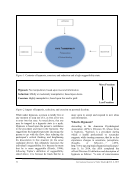
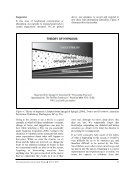
Interplay of Elements
We consider the interplay of the seven following
elements to have led to the physical abuse of the
BCW children and to the scapegoating of those
amongst them who were less able to meet the
standards set by the leader. These elements are
(a) the presence of an active process of
idealization (b) in the context of a group
governed by both philosophies of purity and of
survival, (c) wherein the parents were
completely compliant (d) to their charismatic
leader, (e) who exercised plenipotentiary power
(f) and advocated the use of corporal punishment
toward children (g) as justified by his
fundamentalist doctrine. These elements
combined their effects and influenced each
other, producing results that no individual
member of the group could have predicted at the
beginning of their spiritual journey with the
BCW.
The leader’s discourse concerning himself as an
earthly god and his insistence on punishing
repeatedly and severely the BCW children for
attitudes and behaviors that were
developmentally normal, combined with his
demands for ever more money to build the
private estate that would house and protect all
BCW members, were signs that the process of
ideaization he shared with the members of his
church had become extremely radicalized. These
signs show that Pastor X’s worldview had
changed, and he was henceforth adopting
viewpoints much more consistent with a
philosophy of survival than a philosophy of
purity. The systematic projection of evil onto the
outside world and its complementary
construction of the exogroup as an enemy of the
endogroup also point in that direction.
Social-control agencies, such as the DPJE, were
thence portrayed as mortal enemies of the BCW.
It is a tribute to the clinical ability of the social
workers who contacted the individual BCW
families that the social workers were able—but
for a few families—to build a sufficiently
trusting relationship over the course of a year for
families to accept voluntary measures that
included a parenting project that was at odds
with the one their pastor had established for
them. This accomplishment is quite remarkable
since it must be noted that, when groups follow
a philosophy of survival, they most often
venerate their leaders as infalliable earthly gods,
a belief that Pastor X was certainly attempting to
establish in his group.
The DPJE’s strategy of working directly with
the parents of each family unit with a view
toward building durable working alliances
between parents and social workers, without
contact with the leader, appears to have been
successful in bringing an end to the physical
abuse and the social isolation of the BCW
children. Although the dissolution of the church
was not intended, it must be noted that by
fostering parental responsibility, the Youth
Protection Services appear to have contributed
to the peaceful breaking-away process most
members of the BCW experienced. The fact that
the efforts the pastor habitually exerted to
maintain and reinforce group cohesion and
loyalty toward himself and the church were
temporarily suspended by the active
investigations also seems to have helped the
DPJE fulfill its mission of assuring the
96 International Journal of Cultic Studies ■ Vol. 6, 2015
adopt a philosophy of purity in that the ideals of
purity that guide them become so important that
they appear to obscure reality in many of its
aspects, notably when it comes to the capacities
of children.
In such occurences, the process of idealization
takes such a hold over followers that it hinders
their ability to discern the capabilities that
belong to humans from those that belong to
demigods more straightforwardly put, they lose
touch with what is realizable and what is out of
human reach. The developmentally normal
immaturity of the BCW children was severely
punished in such a context. Children’s consistent
failures to meet the ideals of purity set for them
by the pastor were interpreted not as human
failings in the face of a godlike ideal, but rather
as signifying the presence of evil, the dreaded
face of impurity. Thus, children’s incapacity to
conform to the group’s ideals was seen as proof
of their malicious nature and that which justified
not only their corporal punishment, but the
greater frequency, intensity, and constant
lowering of the age at which a child should be
thus punished.
Interplay of Elements
We consider the interplay of the seven following
elements to have led to the physical abuse of the
BCW children and to the scapegoating of those
amongst them who were less able to meet the
standards set by the leader. These elements are
(a) the presence of an active process of
idealization (b) in the context of a group
governed by both philosophies of purity and of
survival, (c) wherein the parents were
completely compliant (d) to their charismatic
leader, (e) who exercised plenipotentiary power
(f) and advocated the use of corporal punishment
toward children (g) as justified by his
fundamentalist doctrine. These elements
combined their effects and influenced each
other, producing results that no individual
member of the group could have predicted at the
beginning of their spiritual journey with the
BCW.
The leader’s discourse concerning himself as an
earthly god and his insistence on punishing
repeatedly and severely the BCW children for
attitudes and behaviors that were
developmentally normal, combined with his
demands for ever more money to build the
private estate that would house and protect all
BCW members, were signs that the process of
ideaization he shared with the members of his
church had become extremely radicalized. These
signs show that Pastor X’s worldview had
changed, and he was henceforth adopting
viewpoints much more consistent with a
philosophy of survival than a philosophy of
purity. The systematic projection of evil onto the
outside world and its complementary
construction of the exogroup as an enemy of the
endogroup also point in that direction.
Social-control agencies, such as the DPJE, were
thence portrayed as mortal enemies of the BCW.
It is a tribute to the clinical ability of the social
workers who contacted the individual BCW
families that the social workers were able—but
for a few families—to build a sufficiently
trusting relationship over the course of a year for
families to accept voluntary measures that
included a parenting project that was at odds
with the one their pastor had established for
them. This accomplishment is quite remarkable
since it must be noted that, when groups follow
a philosophy of survival, they most often
venerate their leaders as infalliable earthly gods,
a belief that Pastor X was certainly attempting to
establish in his group.
The DPJE’s strategy of working directly with
the parents of each family unit with a view
toward building durable working alliances
between parents and social workers, without
contact with the leader, appears to have been
successful in bringing an end to the physical
abuse and the social isolation of the BCW
children. Although the dissolution of the church
was not intended, it must be noted that by
fostering parental responsibility, the Youth
Protection Services appear to have contributed
to the peaceful breaking-away process most
members of the BCW experienced. The fact that
the efforts the pastor habitually exerted to
maintain and reinforce group cohesion and
loyalty toward himself and the church were
temporarily suspended by the active
investigations also seems to have helped the
DPJE fulfill its mission of assuring the
96 International Journal of Cultic Studies ■ Vol. 6, 2015