liberty by the very same person from whom she
is receiving care. But the victim does not see this
because she has become dissociated. Such
dissociation from the global situation will
greatly facilitate a situation in which any sign of
affection from the captor will cause the victim to
consider her captor as considerate, which clearly
shows a lack of critical thinking in that situation.
This lack of critical thinking will stimulate, in
turn, the perceptual dissociation from the global
situation, and so on, in a vicious circle. To
summarize:
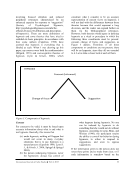
↑ Dissociation: I don’t see the harm
they have done me, depriving me of
freedom being the main one.
↓ Critical thinking: They take care of
me, so they are good.
Example 2: Battered women. The dissociated
thinking that we are referring to here, “seeing
without seeing,” is stressed in the following
example. A woman receiving systematic
maltreatment from her partner is aware of it.
However, a mental mechanism we call
dissociation allows her not to pay attention to
that reality, despite having it right in front of her.
Dissociation is a mental mechanism that we all
use within our daily lives, and it has adaptive
functions. In our daily lives, dissociation allows
us to turn our back on painful situations so we
can fully focus on survival tasks, or the
achievement of our goals. Thus, the worried
father in the morning leaves his son at home
with a fever and goes to work, where he has a
very important meeting and is able to totally
forget about his son (dissociate) while in the
meeting because that meeting is also very
important to him.
When we are concentrated on something
significant to us, we are able to completely
forget anything else, no matter how dear to us
this “anything else” may be. This capacity to
dissociate is adaptive. It allows us to perform
better in each concrete situation we face without
being distracted from the relevant stimuli to that
situation, or rather, thanks precisely to our
attention not being distracted from the relevant
stimuli to that situation.
However, this mental resource that allows us to
dissociate, while adaptive in everyday life, in
extreme contexts of maltreatment or
psychological manipulation can end up
contributing to a dysfunction. In such situations,
we may dissociate from the relevant stimuli that
would help us recognize the maltreatment or
psychological abuse we are the victim of. This
disassociation can lead us to fixate our attention
on other stimuli that absorb us totally, and that
are irrelevant, or contradictory, with regard the
global situation we are in.
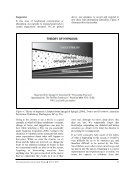
In the case of the battered woman, despite living
in a reality in which her partner treats her badly
99% of the time, she focuses her attention on
that portion of time when her partner treats her
well and that represents 1% only of her reality.
Having dissociated from 99% of her experience,
the woman takes the 1% of her reality as a
representation of the whole 100%. This is
possible because, while concentrating on the 1%
in which her partner treats her well, she totally
forgets anything else, just as the father who
leaves his son with a fever at home does during
that important meeting at work. Both are able to
do this because of their capacity to dissociate.
The fundamental difference between these
examples lies in each individual’s ability to get
out of the dissociation. Thus, when the meeting
is finished, if he is not very absentminded, the
father will probably remember his son’s fever
he will connect once again with the perception
of the whole of his day. Meanwhile, the woman,
as long as no drastic change occurs in her life,
will remain stuck in her dissociation,
interpreting that 1% for 100% of her reality. The
father whose focus of attention can fluctuate
from his work to his son achieves a better
perception of the whole of his life in other
words, he has a perception in which there is a
sound integration of those two parts of his life.
It is precisely the coercion exerted upon the
battered woman, in the other example, that is
responsible for her permanent dissociation. Such
dissociated perception will have drastic
consequences on her critical thinking, which
now is based merely on 1% of her reality, that
percentage in which her partner behaves well
toward her. Her vision of reality will then be
partial or nonintegrated:
International Journal of Cultic Studies ■ Vol. 6, 2015 57
is receiving care. But the victim does not see this
because she has become dissociated. Such
dissociation from the global situation will
greatly facilitate a situation in which any sign of
affection from the captor will cause the victim to
consider her captor as considerate, which clearly
shows a lack of critical thinking in that situation.
This lack of critical thinking will stimulate, in
turn, the perceptual dissociation from the global
situation, and so on, in a vicious circle. To
summarize:
↑ Dissociation: I don’t see the harm
they have done me, depriving me of
freedom being the main one.
↓ Critical thinking: They take care of
me, so they are good.
Example 2: Battered women. The dissociated
thinking that we are referring to here, “seeing
without seeing,” is stressed in the following
example. A woman receiving systematic
maltreatment from her partner is aware of it.
However, a mental mechanism we call
dissociation allows her not to pay attention to
that reality, despite having it right in front of her.
Dissociation is a mental mechanism that we all
use within our daily lives, and it has adaptive
functions. In our daily lives, dissociation allows
us to turn our back on painful situations so we
can fully focus on survival tasks, or the
achievement of our goals. Thus, the worried
father in the morning leaves his son at home
with a fever and goes to work, where he has a
very important meeting and is able to totally
forget about his son (dissociate) while in the
meeting because that meeting is also very
important to him.
When we are concentrated on something
significant to us, we are able to completely
forget anything else, no matter how dear to us
this “anything else” may be. This capacity to
dissociate is adaptive. It allows us to perform
better in each concrete situation we face without
being distracted from the relevant stimuli to that
situation, or rather, thanks precisely to our
attention not being distracted from the relevant
stimuli to that situation.
However, this mental resource that allows us to
dissociate, while adaptive in everyday life, in
extreme contexts of maltreatment or
psychological manipulation can end up
contributing to a dysfunction. In such situations,
we may dissociate from the relevant stimuli that
would help us recognize the maltreatment or
psychological abuse we are the victim of. This
disassociation can lead us to fixate our attention
on other stimuli that absorb us totally, and that
are irrelevant, or contradictory, with regard the
global situation we are in.
In the case of the battered woman, despite living
in a reality in which her partner treats her badly
99% of the time, she focuses her attention on
that portion of time when her partner treats her
well and that represents 1% only of her reality.
Having dissociated from 99% of her experience,
the woman takes the 1% of her reality as a
representation of the whole 100%. This is
possible because, while concentrating on the 1%
in which her partner treats her well, she totally
forgets anything else, just as the father who
leaves his son with a fever at home does during
that important meeting at work. Both are able to
do this because of their capacity to dissociate.
The fundamental difference between these
examples lies in each individual’s ability to get
out of the dissociation. Thus, when the meeting
is finished, if he is not very absentminded, the
father will probably remember his son’s fever
he will connect once again with the perception
of the whole of his day. Meanwhile, the woman,
as long as no drastic change occurs in her life,
will remain stuck in her dissociation,
interpreting that 1% for 100% of her reality. The
father whose focus of attention can fluctuate
from his work to his son achieves a better
perception of the whole of his life in other
words, he has a perception in which there is a
sound integration of those two parts of his life.
It is precisely the coercion exerted upon the
battered woman, in the other example, that is
responsible for her permanent dissociation. Such
dissociated perception will have drastic
consequences on her critical thinking, which
now is based merely on 1% of her reality, that
percentage in which her partner behaves well
toward her. Her vision of reality will then be
partial or nonintegrated:
International Journal of Cultic Studies ■ Vol. 6, 2015 57