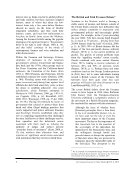
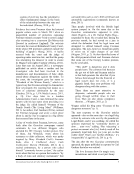
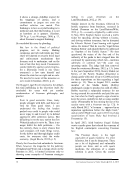
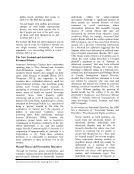
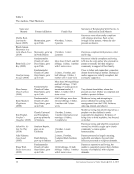
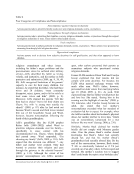
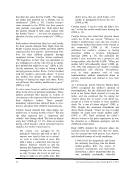
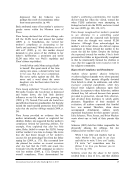
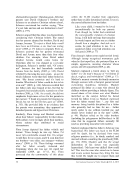
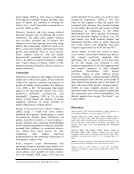
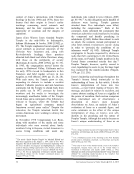
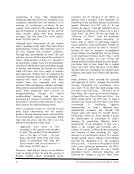
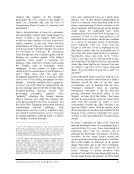
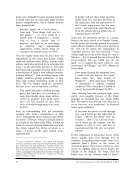
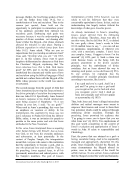
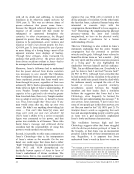
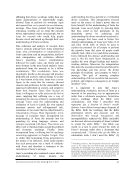
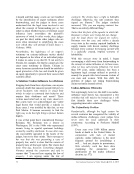
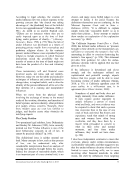
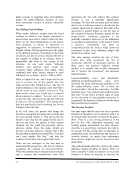
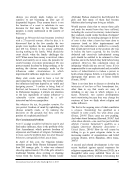
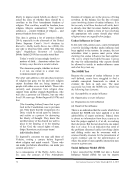
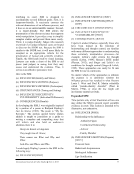
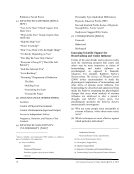
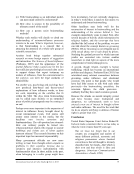
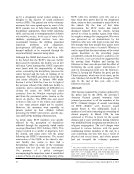
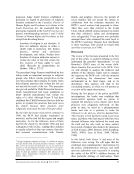
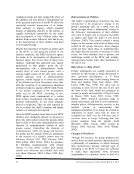
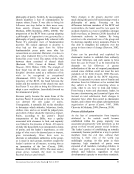
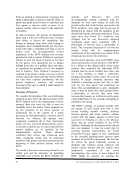
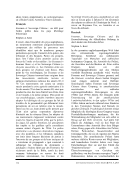
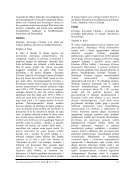
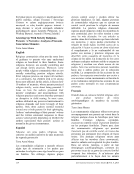
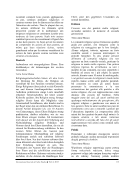
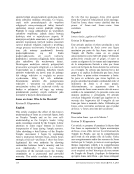
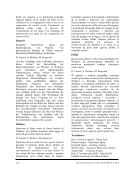
Table 1
The Authors, Their Memoirs
Name and
Memoir Former Affiliation Family Size
Summary of Relationship With Parents As
Analyzed in Each Memoir
Martha Beck.
Leaving the
Saints (2005)
Mormonism, grew
up in Utah
4 brothers, 3 sisters
2 parents
Parents as most often totally compliant
with religious practices. Beck writes
lovingly of her parents, whom she also
presents as abusive.
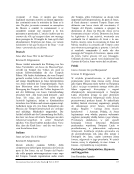
Rhoda Janzen.
Mennonite in a
Little Black Dress
(2010)
Mennonite, grew up
in North Dakota
2 brothers, 1 sister
2 parents
Parents as compliant with practices, strict
and loving.
Brent Jeffs. Lost
Boy (2009)
Fundamentalist
Church of Latter
Days Saints, grew
up in Utah
More than 20 half- and full
siblings 1 father, 1 mother
with 2 sister-wives
Parents as initially compliant and loving.
Jeffs was the only author who claimed his
parents eventually left their religious
community in support of their family.
Carolyn Jessop.
Escape (2008)
Fundamentalist
Church of Latter
Days Saints, grew
up in Utah
2 sisters, 1 brother, and
half-siblings 1 father, 1
mother with 1 sister-wife
Close to father and stepmother, somewhat
distant from biological mother. Biological
mother appears as initially compliant, but
eventually supportive.
Flora Jessop.
Church of Lies
(2009)
Fundamentalist
Church of Latter
Days Saints, grew
up in Utah
More than 300 stepsiblings
and half-siblings, 17 full
siblings (7 sisters given to
incontinent uncle) 1
father, 1 mother with 2
sister-wives
Very distant from father, whom she
presents as cruel. Mother as compliant and
unable to protect children.
Brian Mackert.
Illegitimate
(2008)
Fundamentalist
Church of Latter
Days Saints, grew
up in Utah
6 full siblings, more than
24 total siblings 1 father,
1 mother with 2 sister-
wives
Mother as loving and attempting to
protect children by seeking marital
reassignment from the FLDS. Father as
unloving, distant, and abusive.
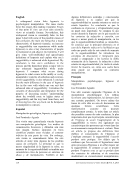
Erin Prophet.
Prophet’s
Daughter (2009)
Church Universal
and Triumphant,
grew up primarily
in Montana
1 brother, 2 sisters
1 mother who had several
marriages (1 father,
3 stepfathers)
Mother as loving, but prioritizing role as a
prophet over her children’s needs
(especially for daughters). Evidence of
being close to third stepfather, but focused
on mother.
Jallen Rix. Ex-
Gay No Way
(2010)
Southern Baptist,
grew up in
California
1 brother, 1 sister
2 parents
Parents as loving and what Rix considered
normal, but initially caught up in church
community’s stance against
homosexuality.
Julia Scheeres.
Jesus Land
(2005)
Dutch Reform,
grew up in Indiana
2 sisters, 1 brother,
2 adopted black brothers
2 parents
Parents portrayed as largely uncaring,
neglectful, and abusive beyond what
Scheeres presented as religious demands.
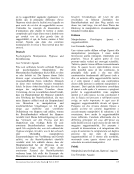
Elissa Wall.
Stolen Innocence
(2009)
Fundamentalist
Church of Latter
Days Saints, grew
up in Utah
14 full siblings, 10 half-
siblings 1 father, 1 mother
with 2 sister-wives
Parents as supportive and loving, but
unable to completely protect their children
because of compliance with religious
demands.
20 International Journal of Cultic Studies ■ Vol. 6, 2015