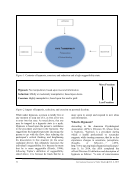
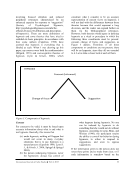
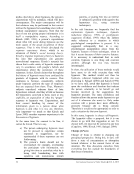
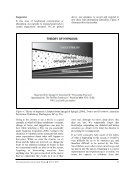
↑ Dissociation: I perceive the 1% of the
time in which he treats me well, and not
the 99% of the time in which he treats
me badly.
↓ Critical Thinking: My husband is
good.
Many means of psychological manipulation, if
not all of them, are based upon seduction and
coercion, or a mixture of both, which will
produce the natural effects of increased
dissociation and decreased critical thinking.
Hypnosis, where we can also find these
phenomena, is based on the opposite extreme it
is based on confidence and freedom. Actually,
confidence and freedom are the elements that in
the context of hypnosis promote an increase in
dissociation and a diminishing of critical
thinking. Confidence has its origins in relevant
and true information, among other factors.
People under hypnosis will let themselves go,
and due to a heightened state of suggestibility,
will experience the responses the hypnotizer or
the people themselves (when under self-
hypnosis) have suggested to them as if they were
real, even though they always know this is not
really the case (Capafons 1998, Lynn &Kirsch
2006). In the event of any setback or unforeseen
circumstance, persons under hypnosis will return
to their normal state of awareness. This is not
guaranteed under manipulative contexts. In such
cases, as we have seen, persons can get stuck
within the artificial construct. Here lies the
fundamental difference between hypnosis and
psychological manipulative environments,
namely, the reversibility that in the case of
hypnosis has the process of making us more
suggestible by the increase in our dissociation
and reduction in our critical thinking.
Conclusions
We are all potential victims of manipulation
because of our ability both to dissociate and to
renounce critical thinking. However, it is
because of those abilities that we also are
creative.
• Both abilities represent two sides of the
same coin.
• Both abilities are natural.
As a consequence, our ability to dissociate and
diminish our critical thinking is neither good nor
bad in itself the significance depends on the use
we make of these abilities. Used well, they are
adaptive resources of great value. Used
inappropriately, they make us very vulnerable.
The heightened suggestibility that occurs in high
dissociation and low critical-thinking situations
is, therefore, a characteristic that can make us
either freer or more dependent.
To summarize with regard to hypnosis: Any
power present is not contained within the tool
that is hypnosis, or in the hypnotizer rather, the
power lies within each person’s mind. Hypnosis
is just a tool that can aid us in putting these
mental resources to work—resources that are
inside, not outside each person, and not within
the tools or the hypnotizer.
Bibliography
American Psychological Association (APA), Division 30.
Hypnosis today :Looking beyond the media portrayal. Retrieved
online from http://www.apa.org/topics/hypnosis/
media.aspx?item=1
Barber, T. X., Spanos, N. P., &Chaves, J. F. (1974). Hypnosis,
imagination and human potentialities. New York, NY: Pergamon
Press
Capafons, A. (1998). Hipnosis Clínica: Una visión cognitivo-
comportamental. Papeles del psicólogo, Febrero, nº 69, 71–88.
Capafons, A. (1999). La hipnosis despierta setenta y cuatro años
después. Anales de Psicología, 15, 77–78.
Capafons, A. (2001). Hipnosis Madrid, Spain: Ed. Síntesis
Cardeña E. (1994). The domain of dissociation. In S. J. Lynn &R.
W. Rhue (Eds.), Dissociation: Theoretical, clinical, and research
perspectives (pp. 15–31). New York, NY: Guilford Press.
Estabrooks, G. H.(1993). Hypnotism. New York, NY: Dutton.
Garvey, K. (1994). The importance of information in preparing for
exit counseling: A case study. In M. D. Langone (Ed.), Recovery
from cults (pp. 187–88). New York, NY: Norton.
Hassan. S. (1988). Combatting cult mind control. South Paris, ME:
Park Street Press.
Hilgard, E. R. (1991). A neodissociation interpretation of hypnosis.
In S. J. Lynn &J. W. Rhue (Eds.), Theories of hypnosis (pp. 83–
104). New York, NY: Guilford Press.
Kirsch, I. (1985). Response expectancy as a determinant of
experience and behavior. American Psychologist, 40, 1189–1202.
Kirsch, I. (1991). The social learning theory of hypnosis. In S. J.
Lynn &J. W. Rhue (Eds.), Theories of hypnosis: Current models
and perspectives (pp. 439–466). New York, NY: Guilford Press.
Kirsch, I. (1994). APA definition and description of hypnosis:
Defining hypnosis for the public. Contemporary Hypnosis, 11,
142–143.
58 International Journal of Cultic Studies ■ Vol. 6, 2015
time in which he treats me well, and not
the 99% of the time in which he treats
me badly.
↓ Critical Thinking: My husband is
good.
Many means of psychological manipulation, if
not all of them, are based upon seduction and
coercion, or a mixture of both, which will
produce the natural effects of increased
dissociation and decreased critical thinking.
Hypnosis, where we can also find these
phenomena, is based on the opposite extreme it
is based on confidence and freedom. Actually,
confidence and freedom are the elements that in
the context of hypnosis promote an increase in
dissociation and a diminishing of critical
thinking. Confidence has its origins in relevant
and true information, among other factors.
People under hypnosis will let themselves go,
and due to a heightened state of suggestibility,
will experience the responses the hypnotizer or
the people themselves (when under self-
hypnosis) have suggested to them as if they were
real, even though they always know this is not
really the case (Capafons 1998, Lynn &Kirsch
2006). In the event of any setback or unforeseen
circumstance, persons under hypnosis will return
to their normal state of awareness. This is not
guaranteed under manipulative contexts. In such
cases, as we have seen, persons can get stuck
within the artificial construct. Here lies the
fundamental difference between hypnosis and
psychological manipulative environments,
namely, the reversibility that in the case of
hypnosis has the process of making us more
suggestible by the increase in our dissociation
and reduction in our critical thinking.
Conclusions
We are all potential victims of manipulation
because of our ability both to dissociate and to
renounce critical thinking. However, it is
because of those abilities that we also are
creative.
• Both abilities represent two sides of the
same coin.
• Both abilities are natural.
As a consequence, our ability to dissociate and
diminish our critical thinking is neither good nor
bad in itself the significance depends on the use
we make of these abilities. Used well, they are
adaptive resources of great value. Used
inappropriately, they make us very vulnerable.
The heightened suggestibility that occurs in high
dissociation and low critical-thinking situations
is, therefore, a characteristic that can make us
either freer or more dependent.
To summarize with regard to hypnosis: Any
power present is not contained within the tool
that is hypnosis, or in the hypnotizer rather, the
power lies within each person’s mind. Hypnosis
is just a tool that can aid us in putting these
mental resources to work—resources that are
inside, not outside each person, and not within
the tools or the hypnotizer.
Bibliography
American Psychological Association (APA), Division 30.
Hypnosis today :Looking beyond the media portrayal. Retrieved
online from http://www.apa.org/topics/hypnosis/
media.aspx?item=1
Barber, T. X., Spanos, N. P., &Chaves, J. F. (1974). Hypnosis,
imagination and human potentialities. New York, NY: Pergamon
Press
Capafons, A. (1998). Hipnosis Clínica: Una visión cognitivo-
comportamental. Papeles del psicólogo, Febrero, nº 69, 71–88.
Capafons, A. (1999). La hipnosis despierta setenta y cuatro años
después. Anales de Psicología, 15, 77–78.
Capafons, A. (2001). Hipnosis Madrid, Spain: Ed. Síntesis
Cardeña E. (1994). The domain of dissociation. In S. J. Lynn &R.
W. Rhue (Eds.), Dissociation: Theoretical, clinical, and research
perspectives (pp. 15–31). New York, NY: Guilford Press.
Estabrooks, G. H.(1993). Hypnotism. New York, NY: Dutton.
Garvey, K. (1994). The importance of information in preparing for
exit counseling: A case study. In M. D. Langone (Ed.), Recovery
from cults (pp. 187–88). New York, NY: Norton.
Hassan. S. (1988). Combatting cult mind control. South Paris, ME:
Park Street Press.
Hilgard, E. R. (1991). A neodissociation interpretation of hypnosis.
In S. J. Lynn &J. W. Rhue (Eds.), Theories of hypnosis (pp. 83–
104). New York, NY: Guilford Press.
Kirsch, I. (1985). Response expectancy as a determinant of
experience and behavior. American Psychologist, 40, 1189–1202.
Kirsch, I. (1991). The social learning theory of hypnosis. In S. J.
Lynn &J. W. Rhue (Eds.), Theories of hypnosis: Current models
and perspectives (pp. 439–466). New York, NY: Guilford Press.
Kirsch, I. (1994). APA definition and description of hypnosis:
Defining hypnosis for the public. Contemporary Hypnosis, 11,
142–143.
58 International Journal of Cultic Studies ■ Vol. 6, 2015