of making. That is why people are more
responsive to suggestion—including
therapeutic suggestions—after a
hypnotic induction than they were
before it. It also can disinhibit
therapists by providing a context for
therapeutic behaviors that might seem
inappropriate in other settings (T. X.
Barber, 1985). For example, the
hypnotic context permits the therapist
to repeat statements over and over,
which enhances their forcefulness and
salience. Outside the hypnotic context,
this style of communication would
seem strange and inappropriate. (pp.
35–36)
Bearing in mind the circumstances just
mentioned, the existence of huge
misconceptions in the general understanding of
hypnosis has been widely agreed on. The
Society of Clinical Hypnosis (SCH) (APA-
Division 30) has listed some myths with regard
to commonly held beliefs about hypnosis. One
of these myths is that under hypnosis a person
can be induced to do acts that he would not do
without hypnosis. My main aim in this paper is
to clarify, to the extent possible, some of the
possible causes of the error that leads to this
particular myth. Another related myth the SCH
lists is that people may not be able to come out
of hypnosis, and thus become stuck in a
hypnotic state. Again, the mass media has had a
significant role in spreading these myths as if
they were true.
Where does this confusion come from? Apart
from the historical reasons sketched above, the
main cause of these misconceptions is, from my
point of view, that a characteristic of the
hypnotic state, namely, a rise in suggestibility, is
also a characteristic of people who find
themselves in manipulative contexts.
What Is Suggestibility and What Are Its
Constituents?
Yapko (1995) defines suggestibility as an
openness to accept and respond to new ideas and
information. According to Spiegel and Spiegel
(2004), we can refer to situations as being
conducive to states of high suggestibility when
we find the following:
a) high dissociation
b) low critical thinking
These two elements, high dissociation and low
critical thinking, are the essential constituents of
suggestibility.
High Dissociation
It will be of use to our discussion to look first at
what we understand dissociation to mean.
Dissociation is one of the more controversial
terms in psychiatry and psychology. Recent
developments (Cardeña, 1994 Spiegel &
Cardeña, 1996) establish a basic distinction
between pathological and nonpathological
dissociation. An example of the first is
dissociative amnesia, wherein we are unable to
retrieve basic information about our identity. An
example of the second is daydreaming, a state of
concentration that makes us dissociate from
everything lying outside the focus of our
attention. Daydreaming, to be concentrated in
our thoughts while we are driving to the extent
of not remembering anything of our journey
afterward, is an example of this second type of
dissociation. This second type of dissociation is
the one I will be referring to in this paper
because it is the dissociation implied in
hypnosis. However, it is likely that the line that
separates pathological dissociation from
nonpathological dissociation is blurred.
We could characterize dissociation as looking at
one part and forgetting about the whole: One
sees the trees but not the wood, and not
necessarily all the trees, but perhaps just a few.
In this state, a person concentrates so much on
one part that she loses perspective of the whole
of which it is a part. However, dissociation
could also imply one seeing the wood without
seeing the trees. In that case, the person centers
herself so much on the big picture that she loses
touch with the particulars. When a mind can
switch easily between a vision of individual
trees and that of the whole forest, and vice-
versa, then integration is reached, and that is
considered the healthy way to perceive. This
ability of perception to change perspective easily
allows a person to have a more accurate view of
reality. This integrative capacity is lost or
impaired in certain more or less pathological
situations.
50 International Journal of Cultic Studies ■ Vol. 6, 2015
responsive to suggestion—including
therapeutic suggestions—after a
hypnotic induction than they were
before it. It also can disinhibit
therapists by providing a context for
therapeutic behaviors that might seem
inappropriate in other settings (T. X.
Barber, 1985). For example, the
hypnotic context permits the therapist
to repeat statements over and over,
which enhances their forcefulness and
salience. Outside the hypnotic context,
this style of communication would
seem strange and inappropriate. (pp.
35–36)
Bearing in mind the circumstances just
mentioned, the existence of huge
misconceptions in the general understanding of
hypnosis has been widely agreed on. The
Society of Clinical Hypnosis (SCH) (APA-
Division 30) has listed some myths with regard
to commonly held beliefs about hypnosis. One
of these myths is that under hypnosis a person
can be induced to do acts that he would not do
without hypnosis. My main aim in this paper is
to clarify, to the extent possible, some of the
possible causes of the error that leads to this
particular myth. Another related myth the SCH
lists is that people may not be able to come out
of hypnosis, and thus become stuck in a
hypnotic state. Again, the mass media has had a
significant role in spreading these myths as if
they were true.
Where does this confusion come from? Apart
from the historical reasons sketched above, the
main cause of these misconceptions is, from my
point of view, that a characteristic of the
hypnotic state, namely, a rise in suggestibility, is
also a characteristic of people who find
themselves in manipulative contexts.
What Is Suggestibility and What Are Its
Constituents?
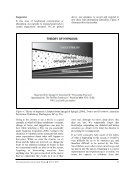
Yapko (1995) defines suggestibility as an
openness to accept and respond to new ideas and
information. According to Spiegel and Spiegel
(2004), we can refer to situations as being
conducive to states of high suggestibility when
we find the following:
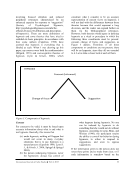
a) high dissociation
b) low critical thinking
These two elements, high dissociation and low
critical thinking, are the essential constituents of
suggestibility.
High Dissociation
It will be of use to our discussion to look first at
what we understand dissociation to mean.
Dissociation is one of the more controversial
terms in psychiatry and psychology. Recent
developments (Cardeña, 1994 Spiegel &
Cardeña, 1996) establish a basic distinction
between pathological and nonpathological
dissociation. An example of the first is
dissociative amnesia, wherein we are unable to
retrieve basic information about our identity. An
example of the second is daydreaming, a state of
concentration that makes us dissociate from
everything lying outside the focus of our
attention. Daydreaming, to be concentrated in
our thoughts while we are driving to the extent
of not remembering anything of our journey
afterward, is an example of this second type of
dissociation. This second type of dissociation is
the one I will be referring to in this paper
because it is the dissociation implied in
hypnosis. However, it is likely that the line that
separates pathological dissociation from
nonpathological dissociation is blurred.
We could characterize dissociation as looking at
one part and forgetting about the whole: One
sees the trees but not the wood, and not
necessarily all the trees, but perhaps just a few.
In this state, a person concentrates so much on
one part that she loses perspective of the whole
of which it is a part. However, dissociation
could also imply one seeing the wood without
seeing the trees. In that case, the person centers
herself so much on the big picture that she loses
touch with the particulars. When a mind can
switch easily between a vision of individual
trees and that of the whole forest, and vice-
versa, then integration is reached, and that is
considered the healthy way to perceive. This
ability of perception to change perspective easily
allows a person to have a more accurate view of
reality. This integrative capacity is lost or
impaired in certain more or less pathological
situations.
50 International Journal of Cultic Studies ■ Vol. 6, 2015