Powszechnie wiąże się hipnozę z manipulacją
psychologiczną. Mass media sprzyjają temu
wyobrażeniu, czyniąc je popularnym. Ślady
owego podejścia mogą nawet zabarwić poglądy
naukowe prezentowane na forach akademickich.
Niemniej jednak ta rozpowszechniona wizja jest
z gruntu fałszywa. W niniejszym artykule
omawiam parę możliwych przyczyn
wspomnianego zamieszania, spośród których
najważniejszą jest fakt, iż główna cecha
charakterystyczna hipnozy (mianowicie wzrost
skłonności do ulegania wpływom, której
doświadcza się w trakcie tego procesu) jest
również kluczową cechą osób przebywających
w manipulacyjnych i pełnych nadużyć
środowiskach. Podam kilka powszechnie
uznanych i uzgodnionych definicji hipnozy oraz
wyjaśnię, dlaczego skłonność jednostki do
ulegania wpływom wzrasta w trakcie hipnozy. Z
powyższego wyciągam wniosek, iż zaufanie
jednostki do procesu hipnozy i osoby
hipnotyzera odgrywa ważną rolę we wzmożonej
skłonności do ulegania wpływom podczas tego
procesu. Porównuję to, co dzieje się w trakcie
hipnozy, z tym, co następuje w umiarkowanie
lub nadmiernie manipulacyjnych kontekstach
uwiedzenia bądź przymusu, w których to
skłonność do ulegania wpływom jest również
podwyższona. Konkluzja jest taka, że zasadnicza
odmienność hipnozy wyraża się w łatwości, z
jaką można opuścić stan wzmożonej skłonności
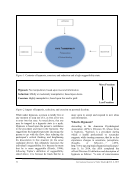
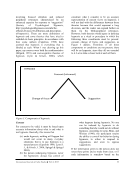
do ulegania wpływom. Wprowadzam pojęcia
dysocjacji i integracji w celu zwiększenia
wiedzy czytelników na temat podwójnej drogi
prowadzącej ku podwyższonej skłonności do
ulegania wpływom oraz drogi powrotnej, a także
w celu ukazania, jak utrudniony może być ów
powrót w kontekstach manipulacyjnych.
« Religion » et « secte », deux concepts
latino-chrétiens
Arthur Mary
Français
Nous abordons philologiquement le parcours
des idées de religion et de secte de l’Antiquité
jusqu’à nos jours. Il apparaîtra que c’est sous
l’effet de la christianisation de l’Empire romain
que ces deux notions se sont configurées de la
façon dont nous les utilisons à présent, fût-ce
dans une perspective scientifique.
Particulièrement, nous verrons que l’idée de
religion telle que nous la connaissons n’existe à
proprement parler que dans le champ culturel
latino-chrétien de même que l’idée de secte (et
l’usage du concept) est à rapporter aussi bien à
l’idée latine de séparation (sexus, sectus) qu’au
procès en hérésie tel que le christianisme le rend
possible. Nous montrerons ainsi comment nos
catégories contemporaines de religion, de secte,
de croyance, de vérité, de manipulation mentale,
sont profondément marquées par une
détermination culturelle que les études sur le
sectarisme gagneraient à prendre en compte.
English
Religion and Sects, Two Latino-Christian
Concepts
Arthur Mary
The author considers philologically the path
taken by the ideas of religion and cult from
Antiquity until contemporary societies. It
appears that it is under the process of the
Christianization of the Roman Empire that those
notions configured in the way we use them
nowadays—albeit in a scientific perspective.
Particularly, the author underlines that the idea
of religion as we know it exists strictly speaking
only within the Latino-Christian cultural field, in
the same way as the idea of cult (and the use of
the concept) should be related both to the Latin
idea of separation (sexus, sectus) and to the
“trial for heresy” as Christianity enables it.
Therefore, our categories of religion, cult, belief,
truth, and mind manipulation are deeply rooted
in a cultural determination that the cultic studies
would profit by considering it.
Español
«Religión» y «secta», dos conceptos latino-
cristianos
Arthur Mary
El autor aborda filológicamente el origen de las
concepciones de religión y de secta desde la
antigüedad a nuestros días. Se pone de
manifiesto que es bajo el proceso de
cristianización del Imperio romano que estas dos
nociones se han configurado de la manera en la
120 International Journal of Cultic Studies ■ Vol. 6, 2015
psychologiczną. Mass media sprzyjają temu
wyobrażeniu, czyniąc je popularnym. Ślady
owego podejścia mogą nawet zabarwić poglądy
naukowe prezentowane na forach akademickich.
Niemniej jednak ta rozpowszechniona wizja jest
z gruntu fałszywa. W niniejszym artykule
omawiam parę możliwych przyczyn
wspomnianego zamieszania, spośród których
najważniejszą jest fakt, iż główna cecha
charakterystyczna hipnozy (mianowicie wzrost
skłonności do ulegania wpływom, której
doświadcza się w trakcie tego procesu) jest
również kluczową cechą osób przebywających
w manipulacyjnych i pełnych nadużyć
środowiskach. Podam kilka powszechnie
uznanych i uzgodnionych definicji hipnozy oraz
wyjaśnię, dlaczego skłonność jednostki do
ulegania wpływom wzrasta w trakcie hipnozy. Z
powyższego wyciągam wniosek, iż zaufanie
jednostki do procesu hipnozy i osoby
hipnotyzera odgrywa ważną rolę we wzmożonej
skłonności do ulegania wpływom podczas tego
procesu. Porównuję to, co dzieje się w trakcie
hipnozy, z tym, co następuje w umiarkowanie
lub nadmiernie manipulacyjnych kontekstach
uwiedzenia bądź przymusu, w których to
skłonność do ulegania wpływom jest również
podwyższona. Konkluzja jest taka, że zasadnicza
odmienność hipnozy wyraża się w łatwości, z
jaką można opuścić stan wzmożonej skłonności
do ulegania wpływom. Wprowadzam pojęcia
dysocjacji i integracji w celu zwiększenia
wiedzy czytelników na temat podwójnej drogi
prowadzącej ku podwyższonej skłonności do
ulegania wpływom oraz drogi powrotnej, a także
w celu ukazania, jak utrudniony może być ów
powrót w kontekstach manipulacyjnych.
« Religion » et « secte », deux concepts
latino-chrétiens
Arthur Mary
Français
Nous abordons philologiquement le parcours
des idées de religion et de secte de l’Antiquité
jusqu’à nos jours. Il apparaîtra que c’est sous
l’effet de la christianisation de l’Empire romain
que ces deux notions se sont configurées de la
façon dont nous les utilisons à présent, fût-ce
dans une perspective scientifique.
Particulièrement, nous verrons que l’idée de
religion telle que nous la connaissons n’existe à
proprement parler que dans le champ culturel
latino-chrétien de même que l’idée de secte (et
l’usage du concept) est à rapporter aussi bien à
l’idée latine de séparation (sexus, sectus) qu’au
procès en hérésie tel que le christianisme le rend
possible. Nous montrerons ainsi comment nos
catégories contemporaines de religion, de secte,
de croyance, de vérité, de manipulation mentale,
sont profondément marquées par une
détermination culturelle que les études sur le
sectarisme gagneraient à prendre en compte.
English
Religion and Sects, Two Latino-Christian
Concepts
Arthur Mary
The author considers philologically the path
taken by the ideas of religion and cult from
Antiquity until contemporary societies. It
appears that it is under the process of the
Christianization of the Roman Empire that those
notions configured in the way we use them
nowadays—albeit in a scientific perspective.
Particularly, the author underlines that the idea
of religion as we know it exists strictly speaking
only within the Latino-Christian cultural field, in
the same way as the idea of cult (and the use of
the concept) should be related both to the Latin
idea of separation (sexus, sectus) and to the
“trial for heresy” as Christianity enables it.
Therefore, our categories of religion, cult, belief,
truth, and mind manipulation are deeply rooted
in a cultural determination that the cultic studies
would profit by considering it.
Español
«Religión» y «secta», dos conceptos latino-
cristianos
Arthur Mary
El autor aborda filológicamente el origen de las
concepciones de religión y de secta desde la
antigüedad a nuestros días. Se pone de
manifiesto que es bajo el proceso de
cristianización del Imperio romano que estas dos
nociones se han configurado de la manera en la
120 International Journal of Cultic Studies ■ Vol. 6, 2015