Freedom of Mind: Helping Loved Ones Leave Controlling People, Cults and
Beliefs
By Steven Hassan
Reviewed by William Goldberg
Newton, MA: Freedom of Mind Press.
2012.ISBN-10: 0967068819 ISBN 13: 978-
0967068817 (paperback), $15.26
(Amazon.com) ASIN: B00IIB6KAM (Kindle
edition), $9.95 (Amazon.com). 268 pages.
When families of a cult member ask me for help
in dealing with their family member, we review
many variables together. Among other factors,
we look at the developmental history of the cult
member, the family dynamics, and the cult
member’s ability to admit that he or she has
been wrong in the past. Then I explain what I
think the appeal of the cult might be to this
particular cultist, and I offer the family advice
about how to deal with the situation. The
families usually leave my office with an
improved frame of mind because they are
leaving with a strategy for how they are going to
deal with an otherwise unfathomable situation.
In Freedom of Mind: Helping Loved Ones Leave
Controlling People, Cults and Beliefs, the
update of his second book, Releasing the Bonds
(2000), Steven Hassan provides his readers with
a similar service, but he does so in a
comprehensive publication that families can read
and reread, parse and discuss, underline and
study.
In this book, Hassan describes the phenomenon
of cult involvement and details his approach to
helping cult victims to leave. He also offers
practical advice to individuals who wish to help
a friend or family member. Hassan’s clear and
comprehensible book offers a blueprint for
families. Most importantly, readers will take
away from this book a strategy for how they are
going to deal with the cult situation.
Toward that end, Hassan demystifies the cult
experience. He points out, for example, that the
glassy-eyed, zombie-like look of many cult
members is the result of sleep deprivation, not
some supernatural frightening magic. He
suggests replacing the terms mind control and
brainwashing with the more descriptive, less
sensationalized terms social influence and
destructive influence. He recognizes that cultic
influence is on the continuum of instances of
influence that we all encounter every day.
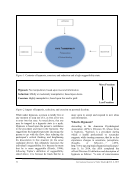
Hassan explains his BITE model (Behavior
control, Information control, Thought control,
and Emotional control) by giving concrete,
understandable examples of how this control is
accomplished and how it is maintained in the
cult member. He uses clear examples both from
individuals whom he has met and from his
personal history as a former member of the
Unification Church.
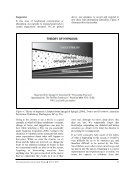
He maintains that phobia induction is the single
most powerful technique for keeping cult
members dependent and obedient. He defines
the term, explains the dynamics of its use,
discusses how cult members are rendered
receptive to phobia installation, and gives
practical advice about how concerned family
members can counter it.
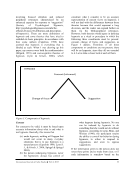
Hassan calls his approach the Strategic
Interactive Approach (SIA), which he explains
in this book. He claims that SIA is different
from exit counseling because of SIA’s emphasis
on the process of change, and its emphasis on
the identification of factors that can render
individuals more vulnerable to destructive
influences (e.g., family tension, unresolved
sexual issues, preexisting phobias). Although I
question whether Hassan’s emphasis on these
factors is as unique as he claims (other effective,
insightful exit counselors are also cognizant of
these issues), Hassan has rendered the service of
identifying and organizing the factors in written
form. He emphasizes that each family
constellation is unique and presents different
combinations of issues and scenarios, and he
explains how he would approach each
combination.
106 International Journal of Cultic Studies ■ Vol. 6, 2015
Beliefs
By Steven Hassan
Reviewed by William Goldberg
Newton, MA: Freedom of Mind Press.
2012.ISBN-10: 0967068819 ISBN 13: 978-
0967068817 (paperback), $15.26
(Amazon.com) ASIN: B00IIB6KAM (Kindle
edition), $9.95 (Amazon.com). 268 pages.
When families of a cult member ask me for help
in dealing with their family member, we review
many variables together. Among other factors,
we look at the developmental history of the cult
member, the family dynamics, and the cult
member’s ability to admit that he or she has
been wrong in the past. Then I explain what I
think the appeal of the cult might be to this
particular cultist, and I offer the family advice
about how to deal with the situation. The
families usually leave my office with an
improved frame of mind because they are
leaving with a strategy for how they are going to
deal with an otherwise unfathomable situation.
In Freedom of Mind: Helping Loved Ones Leave
Controlling People, Cults and Beliefs, the
update of his second book, Releasing the Bonds
(2000), Steven Hassan provides his readers with
a similar service, but he does so in a
comprehensive publication that families can read
and reread, parse and discuss, underline and
study.
In this book, Hassan describes the phenomenon
of cult involvement and details his approach to
helping cult victims to leave. He also offers
practical advice to individuals who wish to help
a friend or family member. Hassan’s clear and
comprehensible book offers a blueprint for
families. Most importantly, readers will take
away from this book a strategy for how they are
going to deal with the cult situation.
Toward that end, Hassan demystifies the cult
experience. He points out, for example, that the
glassy-eyed, zombie-like look of many cult
members is the result of sleep deprivation, not
some supernatural frightening magic. He
suggests replacing the terms mind control and
brainwashing with the more descriptive, less
sensationalized terms social influence and
destructive influence. He recognizes that cultic
influence is on the continuum of instances of
influence that we all encounter every day.
Hassan explains his BITE model (Behavior
control, Information control, Thought control,
and Emotional control) by giving concrete,
understandable examples of how this control is
accomplished and how it is maintained in the
cult member. He uses clear examples both from
individuals whom he has met and from his
personal history as a former member of the
Unification Church.
He maintains that phobia induction is the single
most powerful technique for keeping cult
members dependent and obedient. He defines
the term, explains the dynamics of its use,
discusses how cult members are rendered
receptive to phobia installation, and gives
practical advice about how concerned family
members can counter it.
Hassan calls his approach the Strategic
Interactive Approach (SIA), which he explains
in this book. He claims that SIA is different
from exit counseling because of SIA’s emphasis
on the process of change, and its emphasis on
the identification of factors that can render
individuals more vulnerable to destructive
influences (e.g., family tension, unresolved
sexual issues, preexisting phobias). Although I
question whether Hassan’s emphasis on these
factors is as unique as he claims (other effective,
insightful exit counselors are also cognizant of
these issues), Hassan has rendered the service of
identifying and organizing the factors in written
form. He emphasizes that each family
constellation is unique and presents different
combinations of issues and scenarios, and he
explains how he would approach each
combination.
106 International Journal of Cultic Studies ■ Vol. 6, 2015