of certainty, one can say that their numbers have
grown in recent years, and an organization that
monitors them indicates that 50 extremist anti-
American government groups operated in 2008,
and then nearly 200 in 2010 (2010, p. 2).
Another monitoring group estimates that
100,000 “hard core” American sovereigns exist,
with another 200,000 people showing various
levels of involvement (Sovereign Citizens
Movement, 2013, p. 2). No general membership
figures exist for Canada, but a late 2010
Facebook page (which only is a crude indicator
of membership or interest) for one of the
antigovernment groups, the Freemen, listed
more than 2,000 members (Bell, 2010). A
growing body of research exists about these
movements in the United States and Canada
(see, for example, State Justice Institute, 1999)
less information is available about them in other
parts of the English-speaking world.
I provide an overview of the international
antigovernment movements related to the
Freemen and Sovereign Citizens, identifying key
arguments and tactics that adherents use
(especially in the United States and Canada).
Taking advantage of a growing body of articles,
reports, and court cases, I identify the probable
origins of the North American Freemen- and
Sovereign Citizen-related movements in the
hostility toward government that appeared in the
American Midwest in the late 1960s. This
hostility grew during the American farmers’
crash of the 1980s and the corresponding jump
in interest rates in the United States and Canada
in that same decade. Subsequent financial crises
involving mortgages and banking have occurred
in the closing years of the past century and the
opening ones of this century, any one of which
likely could have delegitimized government and
banks in the eyes of persons who felt victimized
by national and international political and
financial policies. Seen as victims of national
and international policies that developed within
poorly regulated capitalism, some members have
invented forms of resistance that have parallels
among relatively powerless peoples in various
cultures and historical periods who have
opposed social groups whom they perceived to
be their oppressors. Continuing in this vein, I
suggest that recent farm crises in the United
Kingdom, New Zealand, and Australia might
contribute to the creation of extremist
antigovernment citizens in these countries. I
conclude with reflections upon antigovernment
extremism’s social, political, and economic
impact on the societies that they oppose. I
mention, however, a competing claim for these
movements’ origins, which lies in the
disordered, paranoid, or mentally ill minds of
people who project the causes of their own life
difficulties onto the state and its authorities.
A Classification of the Different
Antigovernment Movements
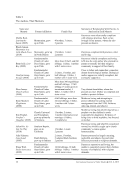
A partial, but useful, classification of some
extremist antigovernment groups appears in a
recent court decision written by a judge in
Edmonton, Alberta, Canada for a divorce and
matrimonial-property case in which the
respondent participated in one or more of the
groups. Focusing on the court implications of
these groups, Associate Chief Justice J. D.
Rooke of the Court of Queen’s Bench of Alberta
called the adherents to the groups “Organized
Pseudolegal Commercial Argument (OPCA)
Litigants” (Rooke, 2012, para. 1 see Cardwell,
2013). Rooke’s fivefold classification of the
different types of litigants provides a platform
from which to identify and discuss a select range
of antigovernmental beliefs and behaviors
associated with these people but we must keep
in mind that no belief or behavior is exclusive to
a particular litigant type. Particular adherents
move in and out of the fivefold litigant typology.
First, the “detaxers … focused almost entirely
on avoiding income tax obligations” (Rooke,
2012, para. 169). Politically, they came from
both left-wing and right-wing backgrounds,
(para. 170), and often were professionals or
business people who had significant incomes
(para. 171). The often-higher economic income
of many detaxers contrasts with the generally
“lower income and/or occupational and
employment context[s]” of people in the other
groups (para. 171).
In America, a history of tax resistance traces
back at least as far as Shays’ Rebellion in the
winter of 1786–1787, when poor farmers in the
western part of Massachusetts blocked county
courts from meeting (and hence, from
2 International Journal of Cultic Studies ■ Vol. 6, 2015
grown in recent years, and an organization that
monitors them indicates that 50 extremist anti-
American government groups operated in 2008,
and then nearly 200 in 2010 (2010, p. 2).
Another monitoring group estimates that
100,000 “hard core” American sovereigns exist,
with another 200,000 people showing various
levels of involvement (Sovereign Citizens
Movement, 2013, p. 2). No general membership
figures exist for Canada, but a late 2010
Facebook page (which only is a crude indicator
of membership or interest) for one of the
antigovernment groups, the Freemen, listed
more than 2,000 members (Bell, 2010). A
growing body of research exists about these
movements in the United States and Canada
(see, for example, State Justice Institute, 1999)
less information is available about them in other
parts of the English-speaking world.
I provide an overview of the international
antigovernment movements related to the
Freemen and Sovereign Citizens, identifying key
arguments and tactics that adherents use
(especially in the United States and Canada).
Taking advantage of a growing body of articles,
reports, and court cases, I identify the probable
origins of the North American Freemen- and
Sovereign Citizen-related movements in the
hostility toward government that appeared in the
American Midwest in the late 1960s. This
hostility grew during the American farmers’
crash of the 1980s and the corresponding jump
in interest rates in the United States and Canada
in that same decade. Subsequent financial crises
involving mortgages and banking have occurred
in the closing years of the past century and the
opening ones of this century, any one of which
likely could have delegitimized government and
banks in the eyes of persons who felt victimized
by national and international political and
financial policies. Seen as victims of national
and international policies that developed within
poorly regulated capitalism, some members have
invented forms of resistance that have parallels
among relatively powerless peoples in various
cultures and historical periods who have
opposed social groups whom they perceived to
be their oppressors. Continuing in this vein, I
suggest that recent farm crises in the United
Kingdom, New Zealand, and Australia might
contribute to the creation of extremist
antigovernment citizens in these countries. I
conclude with reflections upon antigovernment
extremism’s social, political, and economic
impact on the societies that they oppose. I
mention, however, a competing claim for these
movements’ origins, which lies in the
disordered, paranoid, or mentally ill minds of
people who project the causes of their own life
difficulties onto the state and its authorities.
A Classification of the Different
Antigovernment Movements
A partial, but useful, classification of some
extremist antigovernment groups appears in a
recent court decision written by a judge in
Edmonton, Alberta, Canada for a divorce and
matrimonial-property case in which the
respondent participated in one or more of the
groups. Focusing on the court implications of
these groups, Associate Chief Justice J. D.
Rooke of the Court of Queen’s Bench of Alberta
called the adherents to the groups “Organized
Pseudolegal Commercial Argument (OPCA)
Litigants” (Rooke, 2012, para. 1 see Cardwell,
2013). Rooke’s fivefold classification of the
different types of litigants provides a platform
from which to identify and discuss a select range
of antigovernmental beliefs and behaviors
associated with these people but we must keep
in mind that no belief or behavior is exclusive to
a particular litigant type. Particular adherents
move in and out of the fivefold litigant typology.
First, the “detaxers … focused almost entirely
on avoiding income tax obligations” (Rooke,
2012, para. 169). Politically, they came from
both left-wing and right-wing backgrounds,
(para. 170), and often were professionals or
business people who had significant incomes
(para. 171). The often-higher economic income
of many detaxers contrasts with the generally
“lower income and/or occupational and
employment context[s]” of people in the other
groups (para. 171).
In America, a history of tax resistance traces
back at least as far as Shays’ Rebellion in the
winter of 1786–1787, when poor farmers in the
western part of Massachusetts blocked county
courts from meeting (and hence, from
2 International Journal of Cultic Studies ■ Vol. 6, 2015