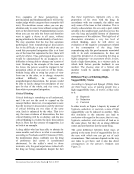
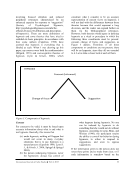
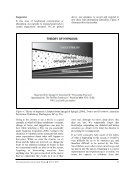
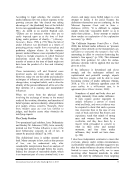
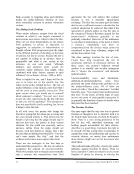
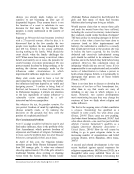
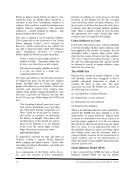
Figure 1. Contexts of hypnosis, coercion, and seduction and a high-suggestibility state.
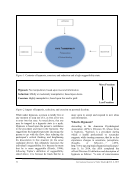
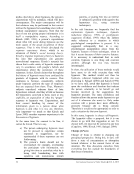
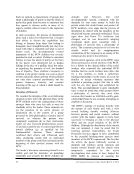
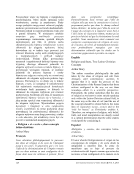
Figure 2. Impact of hypnosis, seduction, and coercion on personal freedom.
While under hypnosis, a person is totally free at
any moment to snap out of it, as free as he was
to enter into that state. As noted above, that one
may be trapped in a hypnotic state is a myth.
Hypnosis is based upon the person’s confidence
in the procedure and trust in the hypnotist. The
suggestions the hypnotist presents encourage the
person to go with the flow, thus reducing the
participant’s critical thinking and heightening
his dissociation in that situation (in the sense
explained above) this ultimately increases the
individual’s suggestibility. It is because he trusts
that he is more suggestible (Kirsch, 1994)
following Yapko’s definition of suggestibility
stated above, it is because he trusts that he is
more open to accept and respond to new ideas
and information.
What Is Hypnosis?
According to the American Psychological
Association (APA)’s Division 30, whose focus
is hypnosis, “hypnosis is a procedure during
which a health professional or researcher
suggests, while treating someone, that he or she
experience changes in sensations, perceptions,
thoughts, or behavior….” (APA,
http://www.apa.org/topics/hypnosis/media.aspx?
item=1). In 2014, the APA completed the
official Division 30 definition and description of
hypnosis as follows: “A state of consciousness
More Freedom
Hypnosis: No manipulation based upon trust and information.
Seduction: Mildly or moderately manipulative based upon desire.
Coercion: Highly manipulative based upon fear and/or guilt.
Less Freedom
52 International Journal of Cultic Studies ■ Vol. 6, 2015
Figure 2. Impact of hypnosis, seduction, and coercion on personal freedom.
While under hypnosis, a person is totally free at
any moment to snap out of it, as free as he was
to enter into that state. As noted above, that one
may be trapped in a hypnotic state is a myth.
Hypnosis is based upon the person’s confidence
in the procedure and trust in the hypnotist. The
suggestions the hypnotist presents encourage the
person to go with the flow, thus reducing the
participant’s critical thinking and heightening
his dissociation in that situation (in the sense
explained above) this ultimately increases the
individual’s suggestibility. It is because he trusts
that he is more suggestible (Kirsch, 1994)
following Yapko’s definition of suggestibility
stated above, it is because he trusts that he is
more open to accept and respond to new ideas
and information.
What Is Hypnosis?
According to the American Psychological
Association (APA)’s Division 30, whose focus
is hypnosis, “hypnosis is a procedure during
which a health professional or researcher
suggests, while treating someone, that he or she
experience changes in sensations, perceptions,
thoughts, or behavior….” (APA,
http://www.apa.org/topics/hypnosis/media.aspx?
item=1). In 2014, the APA completed the
official Division 30 definition and description of
hypnosis as follows: “A state of consciousness
More Freedom
Hypnosis: No manipulation based upon trust and information.
Seduction: Mildly or moderately manipulative based upon desire.
Coercion: Highly manipulative based upon fear and/or guilt.
Less Freedom
52 International Journal of Cultic Studies ■ Vol. 6, 2015