Dolgyal Shugden: A History
By The Dolgyal Shugden Research Society
Reviewed by Joseph Szimhart
New York, NY: Tibet House US
(www.tibethouse.us). Distributed by Hay House,
Inc. (www.hayhouse.com).2014. ISBN-13: 978-
1941312-01-8 (ebook), $19.99 list ($9.99,
Amazon.com). 1300 KB, 278 print pages.
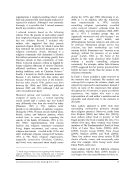
Dolgyal Shugden: A History is an anonymously
penned report about the Tibetan deity or
“demon” Shugden, its cult, and the cult’s effect
on the perceptions, politics, and culture of Tibet.
The cult or “new religion” in question has been
centered in the United Kingdom since 1991
under the name New Kadampa Tradition (NKT),
established by Kelsang Gyatso. The NKT has its
base in the former Manjushri Institute, “a large
Buddhist college situated at Conishead Priory in
England from 1976 until its dissolution in 1991”
(Manjushri Institute).
The book’s stated goal is “to clarify the
ignorance and misconceptions surrounding
gyalpo Shugden and his relationship with the
Dalai Lamas of Tibet.” Readers will learn
how, far from being widely worshiped,
historical evidence shows Shugden
received minimal attention, first within
just two, then only one of the four main
Tibetan Buddhist traditions, and then
within the provenance of an influential
but politically motivated, highly
sectarian lama whose practice deviated
significantly from his forbears.
For the past three centuries, Shugden was
regarded as “one of the violent gods” of the
Nyingma or Geluk tradition of the Yellow Hat
teachings headed by Dalai Lamas.
The book offers a thorough context for this
controversial worship of a demon, which is the
original designation for Shugden, who has
wrathful and protector sides similar to Shiva or
Kali of Vedic mythology. A recent news release
not in the book regards a statement by the
current 14th Dalai Lama to a German newspaper
that he would not “reincarnate” in China, and
that also means in Tibet under current political
realities. The 14th Dalai Lama has been in exile
since 1959 in protest of China’s forceful and
often brutal domination of Tibet. In typical
Communist doublespeak, the Chinese authority
demands that the present Dalai Lama follow
Tibetan tradition, in which for the past several
hundred years Dalai and Panchen Lamas have
been reborn in Tibet, and all this in the name of
“freedom of religion.” The 14th Dalai Lama
points out that the Chinese named their own
Panchen Lama child, whom China controls in
protest of Panchen Lama devotees:
In 1995, after the Dalai Lama named a
boy in Tibet as the reincarnation of the
previous Panchen Lama, the second
highest figure in Tibetan Buddhism,
China put that boy under house arrest
and installed another in his place.
(Reuters Edition UK, 2014)
The book rigorously dismisses the NKT cult
claim that Shugden worship “is a simple prayer
… to develop pure minds of faith, love, and
compassion.” The book alleges that
devotees published details boasting of
the spirit’s involvement in the bloody
and wretched deaths of dozens of
genuine, non-sectarian Buddhists … and
implicated in the brutal murder of three
Tibetan monks in India.
The authors compare the NKT and its
authoritarian, “charismatic” leader to the
behavior of infamous cults, including “Moonies”
or followers of Sun Myung Moon, who also
used his power politically to manipulate
governments. NKT exaggerates its influence as
inclusive of “4,000,000” supporters, whereas the
data unearthed by the authors sets devotees at
around “30,000.” The NKT has successfully
sold its “traditional” and charitable Buddhist
image to gain financial advantage of public
funds in the United Kingdom. The NKT has had
a “bogus” front group called Freedom
108 International Journal of Cultic Studies ■ Vol. 6, 2015
By The Dolgyal Shugden Research Society
Reviewed by Joseph Szimhart
New York, NY: Tibet House US
(www.tibethouse.us). Distributed by Hay House,
Inc. (www.hayhouse.com).2014. ISBN-13: 978-
1941312-01-8 (ebook), $19.99 list ($9.99,
Amazon.com). 1300 KB, 278 print pages.
Dolgyal Shugden: A History is an anonymously
penned report about the Tibetan deity or
“demon” Shugden, its cult, and the cult’s effect
on the perceptions, politics, and culture of Tibet.
The cult or “new religion” in question has been
centered in the United Kingdom since 1991
under the name New Kadampa Tradition (NKT),
established by Kelsang Gyatso. The NKT has its
base in the former Manjushri Institute, “a large
Buddhist college situated at Conishead Priory in
England from 1976 until its dissolution in 1991”
(Manjushri Institute).
The book’s stated goal is “to clarify the
ignorance and misconceptions surrounding
gyalpo Shugden and his relationship with the
Dalai Lamas of Tibet.” Readers will learn
how, far from being widely worshiped,
historical evidence shows Shugden
received minimal attention, first within
just two, then only one of the four main
Tibetan Buddhist traditions, and then
within the provenance of an influential
but politically motivated, highly
sectarian lama whose practice deviated
significantly from his forbears.
For the past three centuries, Shugden was
regarded as “one of the violent gods” of the
Nyingma or Geluk tradition of the Yellow Hat
teachings headed by Dalai Lamas.
The book offers a thorough context for this
controversial worship of a demon, which is the
original designation for Shugden, who has
wrathful and protector sides similar to Shiva or
Kali of Vedic mythology. A recent news release
not in the book regards a statement by the
current 14th Dalai Lama to a German newspaper
that he would not “reincarnate” in China, and
that also means in Tibet under current political
realities. The 14th Dalai Lama has been in exile
since 1959 in protest of China’s forceful and
often brutal domination of Tibet. In typical
Communist doublespeak, the Chinese authority
demands that the present Dalai Lama follow
Tibetan tradition, in which for the past several
hundred years Dalai and Panchen Lamas have
been reborn in Tibet, and all this in the name of
“freedom of religion.” The 14th Dalai Lama
points out that the Chinese named their own
Panchen Lama child, whom China controls in
protest of Panchen Lama devotees:
In 1995, after the Dalai Lama named a
boy in Tibet as the reincarnation of the
previous Panchen Lama, the second
highest figure in Tibetan Buddhism,
China put that boy under house arrest
and installed another in his place.
(Reuters Edition UK, 2014)
The book rigorously dismisses the NKT cult
claim that Shugden worship “is a simple prayer
… to develop pure minds of faith, love, and
compassion.” The book alleges that
devotees published details boasting of
the spirit’s involvement in the bloody
and wretched deaths of dozens of
genuine, non-sectarian Buddhists … and
implicated in the brutal murder of three
Tibetan monks in India.
The authors compare the NKT and its
authoritarian, “charismatic” leader to the
behavior of infamous cults, including “Moonies”
or followers of Sun Myung Moon, who also
used his power politically to manipulate
governments. NKT exaggerates its influence as
inclusive of “4,000,000” supporters, whereas the
data unearthed by the authors sets devotees at
around “30,000.” The NKT has successfully
sold its “traditional” and charitable Buddhist
image to gain financial advantage of public
funds in the United Kingdom. The NKT has had
a “bogus” front group called Freedom
108 International Journal of Cultic Studies ■ Vol. 6, 2015