organizations. I stopped searching when I could
find only memoirs that I had already analyzed or
rejected for analysis. Although I was extremely
thorough, it is possible that I missed memoirs
that fit my restrictive criteria.
I selected memoirs based on the following
criteria. First, the parents of each author joined
their respective religious community before they
had any children. Second, I included only
authors who suggested that their parents
practiced religion strictly, by which I mean that
they followed the perceived demands of their
religious community closely, belonged to a
religious community that demanded a lifestyle
that authors presented as deviating greatly from
lifestyles outside of their community, or both.
Third, I selected memoirs written in English by
former religious adherents of various Christian-
affiliated traditions, with the exception of
healing traditions, such as Christian Science.3
Fourth, I focused on North American memoirs
because I am familiar with that milieu and
because Americans wrote most of the memoirs
that met other criteria. Fifth, authors were born
between the 1960s and 1980s and published
between 2005 and 2010 (although I did not
select for publication date).
Historical periods and locations impact the
reception of stories (i.e., a woman reporting
sexual assault half a century ago was treated
very differently then than she would be today
[Plummer, 1995, p. 22]). Authors tailor
narratives in anticipation of audience response.
During the 1960s, Western society shifted ideas,
beliefs, values, and behavior patterns, which
evoked fears in some people regarding the
sanctity of the family (D’Antonio, 1983, p. 81).
The 1960s’ experimentations with various
familial and religious structures—communal
living, hippie movements, and various new
religious movements—receded in the 1970s, and
older traditional religions resurged (D’Antonio,
1983, p. 90). Many religious organizations,
(especially conservative Christians, Catholics,
and Jews) were concerned about family issues
3 A broad range of literature exists regarding former members of
religious affiliations. For some background and a thorough
bibliography of that literature, refer to Kent and Samaha (2014).
during the 1970s and 1980s (Browning et al.,
2000, p. 1). In addition, after the Jonestown
mass murder/suicide in 1978, socially
controlling religions (particularly so-called
cults) received extensive criticism from the
media, public, and some academics (Hall, 2009,
pp. xi, 187). I included groups that are
supposedly mainstream and cults because I am
interested in any strict beliefs, and
differentiations between religions and cults can
be artificial. Mainstream groups receive less
criticism, but their membership can hold
extreme beliefs. Sometimes one “converts to an
ideology without the presence of an actual
group” (Lalich, 2004, p. 16). Some of the
parents in this study practiced strict beliefs
without a socially controlling religious
community. For example, author Julia Scheeres
(2005) suggested that her parents practiced their
beliefs far more strictly than the norms in her
religious community.
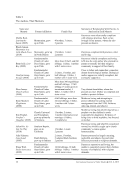
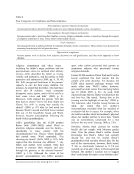
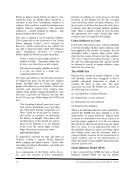
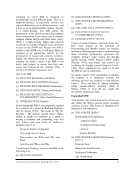
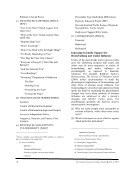
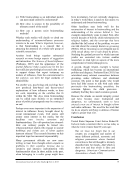
In Table 1, I have included a crude overview of
the memoirs that I analyzed. My analysis and
write-up fail to capture the richness, depth, and
subjectivity expressed in each memoir. Instead, I
focus on some of the experiences that appear
throughout the 10 memoirs, to grasp at common
experiences. Any readers who want a true
representation of each author’s narration and an
enjoyable read should refer to the memoirs in
this table.
Most authors appeared to differ from their
surrounding communities primarily through
their religious practices. Moreover, (aside from
Erin Prophet [2009] and Jallen Rix [2010]),
most authors either lived in poverty or had
frugal parents who lived a similar life style. Five
authors (two men, three women) were former
members of The Fundamentalist Church of Jesus
Christ of Latter Days Saints (FLDS) (Jeffs,
[2009] Carolyn Jessop [2008] Flora Jessop
[2009] Mackert [2008] and Wall [2009]).
These five authors write about similar FLDS
church officials, events, and occasionally each
other (for example, Flora Jessop wrote about
Elissa Wall’s court case).
Other authors had left five different religious
organizations. Martha Beck (2005) became a
sociologist who was raised Mormon in Provo (a
International Journal of Cultic Studies ■ Vol. 6, 2015 19
find only memoirs that I had already analyzed or
rejected for analysis. Although I was extremely
thorough, it is possible that I missed memoirs
that fit my restrictive criteria.
I selected memoirs based on the following
criteria. First, the parents of each author joined
their respective religious community before they
had any children. Second, I included only
authors who suggested that their parents
practiced religion strictly, by which I mean that
they followed the perceived demands of their
religious community closely, belonged to a
religious community that demanded a lifestyle
that authors presented as deviating greatly from
lifestyles outside of their community, or both.
Third, I selected memoirs written in English by
former religious adherents of various Christian-
affiliated traditions, with the exception of
healing traditions, such as Christian Science.3
Fourth, I focused on North American memoirs
because I am familiar with that milieu and
because Americans wrote most of the memoirs
that met other criteria. Fifth, authors were born
between the 1960s and 1980s and published
between 2005 and 2010 (although I did not
select for publication date).
Historical periods and locations impact the
reception of stories (i.e., a woman reporting
sexual assault half a century ago was treated
very differently then than she would be today
[Plummer, 1995, p. 22]). Authors tailor
narratives in anticipation of audience response.
During the 1960s, Western society shifted ideas,
beliefs, values, and behavior patterns, which
evoked fears in some people regarding the
sanctity of the family (D’Antonio, 1983, p. 81).
The 1960s’ experimentations with various
familial and religious structures—communal
living, hippie movements, and various new
religious movements—receded in the 1970s, and
older traditional religions resurged (D’Antonio,
1983, p. 90). Many religious organizations,
(especially conservative Christians, Catholics,
and Jews) were concerned about family issues
3 A broad range of literature exists regarding former members of
religious affiliations. For some background and a thorough
bibliography of that literature, refer to Kent and Samaha (2014).
during the 1970s and 1980s (Browning et al.,
2000, p. 1). In addition, after the Jonestown
mass murder/suicide in 1978, socially
controlling religions (particularly so-called
cults) received extensive criticism from the
media, public, and some academics (Hall, 2009,
pp. xi, 187). I included groups that are
supposedly mainstream and cults because I am
interested in any strict beliefs, and
differentiations between religions and cults can
be artificial. Mainstream groups receive less
criticism, but their membership can hold
extreme beliefs. Sometimes one “converts to an
ideology without the presence of an actual
group” (Lalich, 2004, p. 16). Some of the
parents in this study practiced strict beliefs
without a socially controlling religious
community. For example, author Julia Scheeres
(2005) suggested that her parents practiced their
beliefs far more strictly than the norms in her
religious community.
In Table 1, I have included a crude overview of
the memoirs that I analyzed. My analysis and
write-up fail to capture the richness, depth, and
subjectivity expressed in each memoir. Instead, I
focus on some of the experiences that appear
throughout the 10 memoirs, to grasp at common
experiences. Any readers who want a true
representation of each author’s narration and an
enjoyable read should refer to the memoirs in
this table.
Most authors appeared to differ from their
surrounding communities primarily through
their religious practices. Moreover, (aside from
Erin Prophet [2009] and Jallen Rix [2010]),
most authors either lived in poverty or had
frugal parents who lived a similar life style. Five
authors (two men, three women) were former
members of The Fundamentalist Church of Jesus
Christ of Latter Days Saints (FLDS) (Jeffs,
[2009] Carolyn Jessop [2008] Flora Jessop
[2009] Mackert [2008] and Wall [2009]).
These five authors write about similar FLDS
church officials, events, and occasionally each
other (for example, Flora Jessop wrote about
Elissa Wall’s court case).
Other authors had left five different religious
organizations. Martha Beck (2005) became a
sociologist who was raised Mormon in Provo (a
International Journal of Cultic Studies ■ Vol. 6, 2015 19