Cultic Studies Journal, Vol. 14, No. 1, 1997, page 75
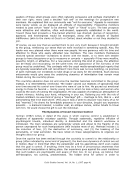
Women are relatively powerless in a male-dominated society. Feelings of
hopelessness, helplessness, worthlessness, futility and suppressed rage, the major
ingredients of depression, are the emotional responses of anyone in a permanently
subordinate position. (p. 258)
Although the feminist movement begun in the latter half of this century is commonly
acknowledged as having made great strides toward creating a more egalitarian society,
patriarchal attitudes continue to pervade many aspects of our society.
Patriarchy in the Watchtower Society
Having survived into the 20th century, WTS still maintains its 19th-century attitudes toward
women. Women are told to Abe in submission” and to maintain a state of “wifely subjection”
to their husbands. They are not allowed to address the congregation directly as a man does,
and may not religiously instruct a baptized male member. All of the leaders --from the
Governing Body, which runs the worldwide organization, down to Elders and Ministerial
Servants of the local congregation --are male. According to WTS:
The woman, in God‟s arrangement for the family was always to be in subjection to
her husband and not to usurp his authority. Also, in the Christian congregation, the
woman is not to teach other dedicated men nor to exercise authority over them.
(Watchtower Society, 1971, p. 726)
The woman, being created out of the man, was dependent upon the man for being
brought into existence. Being part of the man, “one flesh” with him, and a
complement and helper to him, she was subject to him as her head … Secondarily,
the woman was to obey her husband. (p. 1664)
The Watchtower states that “a God-fearing and submissive wife who is flexible and
sympathetic finds it easier to manifest godly obedience” (“Godly Obedience,” 1995, p. 28).
The following excerpt from Awake! provides an example of how WTS views differences
between men and women:
Dependence comes naturally to Pam. She feels loved if Jerry finds out her views
before making a decision, though she wants him to take the lead. When she has to
make a decision, she likes to consult her husband to show her closeness to and
reliance on him…. So in marriage she is not nearly as interested in outside
activities as she is in an empathetic listener with whom she may share her feelings.
(“Husbands and Wives,” 1994, pp. 5B6)
Another WTS text states:
Today female aggressiveness and competition with men have become common.
But when wives push ahead, trying to take over headship, their action is almost
sure to cause trouble … She may have a correct viewpoint, and the family would
benefit if her husband listened to her … [but] when the husband makes a final
decision on a matter, the wife should support it if doing so will not cause her to
break God‟s law. (Watchtower Society, 1982, p. 241)
In WTS, “if a woman prays or prophesies in the congregation, occupying a position God has
assigned to the man, she should…demonstrate her submissiveness and her acknowledgment
of man‟s headship” (Watchtower Society, 1971, p. 726). Women are never allowed to
address the congregation by preaching, or “giving talks,” as WTS phrases it:
Similarly, there is no provision for a woman to take the lead over qualified men in
the Christian congregation…. Should Christian women chafe under that restriction?
No. Most are grateful to see that aspect of Christian service cared for in a
theocratic manner. They are happy to benefit from the shepherding and teaching of
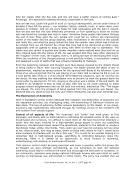
Women are relatively powerless in a male-dominated society. Feelings of
hopelessness, helplessness, worthlessness, futility and suppressed rage, the major
ingredients of depression, are the emotional responses of anyone in a permanently
subordinate position. (p. 258)
Although the feminist movement begun in the latter half of this century is commonly
acknowledged as having made great strides toward creating a more egalitarian society,
patriarchal attitudes continue to pervade many aspects of our society.
Patriarchy in the Watchtower Society
Having survived into the 20th century, WTS still maintains its 19th-century attitudes toward
women. Women are told to Abe in submission” and to maintain a state of “wifely subjection”
to their husbands. They are not allowed to address the congregation directly as a man does,
and may not religiously instruct a baptized male member. All of the leaders --from the
Governing Body, which runs the worldwide organization, down to Elders and Ministerial
Servants of the local congregation --are male. According to WTS:
The woman, in God‟s arrangement for the family was always to be in subjection to
her husband and not to usurp his authority. Also, in the Christian congregation, the
woman is not to teach other dedicated men nor to exercise authority over them.
(Watchtower Society, 1971, p. 726)
The woman, being created out of the man, was dependent upon the man for being
brought into existence. Being part of the man, “one flesh” with him, and a
complement and helper to him, she was subject to him as her head … Secondarily,
the woman was to obey her husband. (p. 1664)
The Watchtower states that “a God-fearing and submissive wife who is flexible and
sympathetic finds it easier to manifest godly obedience” (“Godly Obedience,” 1995, p. 28).
The following excerpt from Awake! provides an example of how WTS views differences
between men and women:
Dependence comes naturally to Pam. She feels loved if Jerry finds out her views
before making a decision, though she wants him to take the lead. When she has to
make a decision, she likes to consult her husband to show her closeness to and
reliance on him…. So in marriage she is not nearly as interested in outside
activities as she is in an empathetic listener with whom she may share her feelings.
(“Husbands and Wives,” 1994, pp. 5B6)
Another WTS text states:
Today female aggressiveness and competition with men have become common.
But when wives push ahead, trying to take over headship, their action is almost
sure to cause trouble … She may have a correct viewpoint, and the family would
benefit if her husband listened to her … [but] when the husband makes a final
decision on a matter, the wife should support it if doing so will not cause her to
break God‟s law. (Watchtower Society, 1982, p. 241)
In WTS, “if a woman prays or prophesies in the congregation, occupying a position God has
assigned to the man, she should…demonstrate her submissiveness and her acknowledgment
of man‟s headship” (Watchtower Society, 1971, p. 726). Women are never allowed to
address the congregation by preaching, or “giving talks,” as WTS phrases it:
Similarly, there is no provision for a woman to take the lead over qualified men in
the Christian congregation…. Should Christian women chafe under that restriction?
No. Most are grateful to see that aspect of Christian service cared for in a
theocratic manner. They are happy to benefit from the shepherding and teaching of