Cultic Studies Journal, Vol. 14, No. 1, 1997, page 15
rationalize, minimize, and distort the meaning of the experience, while others may
dissociate, separate from, split off, and even “forget” what happened in order to tolerate
continued membership in or loyalty toward the group. Part of the healing process will entail
the recovery of such unpleasant or unwanted experiences as part of one‟s own past.
Without such reclamation, the negative experiences tend to come back later and disrupt
healthy functioning and the opportunity for satisfying personal relationships based on
equality and mutual trust.
Various forms of self-expression (art, music, poetry, dance, journal keeping, drama),
support groups, individual therapy, public speaking, and legal action are all means by which
women have rid themselves of residual cult thinking and the unnerving aftereffects of cult
abuse. Each woman‟s healing journey is different. But often with the help of friends, family,
educators, counselors, clergy, or therapists, she will find her preferred means of working
through the pain, guilt, and shame that is the inevitable legacy of cult membership.
Notes
1 This article was originally copublished simultaneously in Women &Therapy, Vol. 19, No. 4,
1996, 3752, and in Sexualities, edited by Marny Hall (Haworth Press, 1996). Copyright 8
1996 by The Haworth Press, Inc. All rights reserved. Reprinted with permission.
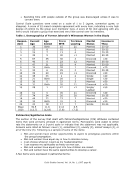
2 The 26 women came out of 21 different cults that fall within the various categories of types
of cults. Three of the cults had a female leader. The 21 cults break down as follows: 2 guru-
based Eastern meditation, 1 guru-based meditation/psychotherapy, 4 Bible-based (from
large and well known to very small and nomadic), 2 self-development/transformational
(large and well- known), 2 self-development/martial arts, 4 transformational/political
(small, communal), 2 New Age eclectic, 1 psychotherapy/political, 1 psychotherapy
(bodywork), 1 New Age/Fourth Way (Gurdjieff-based), 1 one-on-one cultic relationship,
Christian-based.
3 This thesis is described in more detail in Captive Hearts, Captive Minds: Freedom and
Recovery from Cults and Abusive Relationships (Tobias &Lalich, 1994).
4 Some of the ideas presented in this section first appeared in Captive Hearts, Captive Minds
(Tobias &Lalich, 1994).
5 For a longer, first-person account of membership in this same group, see Katherine E.
Betz‟s article in this issue.
References
Gelman, D. (1993, May 17). An emotional moonscape. Newsweek, pp. 52-54.
Hare, R.D. (1993). Without conscience: The disturbing world of psychopaths among us. New
York: Pocket Books.
Lalich, J. (1996, Spring). Repairing the soul after a cult experience. Creation Spirituality
Network Magazine, 12(1), pp. 30-33.
Langone, M.D. (Ed.). (1993). Recovery from cults: Help for victims of psychological and
spiritual abuse. New York: Norton.
Lifton, R.J. (1961). Thought reform and the psychology of totalism. New York: Norton.
Martin, P.R. (1996, Winter). Cults &health. Wellspring Messenger, 7(1), 3.
Schein, E., Schneier, I., &Barker, C.H. (1961). Coercive persuasion: A sociopsychological
analysis of “brainwashing” of American civilian prisoners by the Chinese Communists.
New York: Norton.
Singer, M.T., with Lalich, J. (1995). Cults in our midst: The hidden menace in our everyday
lives. San Francisco: Jossey-Bass.
Tobias, M.L., &Lalich, J. (1994). Captive hearts, captive minds: Freedom and recovery from
cults and abusive relationships. Alameda, CA: Hunter House.
rationalize, minimize, and distort the meaning of the experience, while others may
dissociate, separate from, split off, and even “forget” what happened in order to tolerate
continued membership in or loyalty toward the group. Part of the healing process will entail
the recovery of such unpleasant or unwanted experiences as part of one‟s own past.
Without such reclamation, the negative experiences tend to come back later and disrupt
healthy functioning and the opportunity for satisfying personal relationships based on
equality and mutual trust.
Various forms of self-expression (art, music, poetry, dance, journal keeping, drama),
support groups, individual therapy, public speaking, and legal action are all means by which
women have rid themselves of residual cult thinking and the unnerving aftereffects of cult
abuse. Each woman‟s healing journey is different. But often with the help of friends, family,
educators, counselors, clergy, or therapists, she will find her preferred means of working
through the pain, guilt, and shame that is the inevitable legacy of cult membership.
Notes
1 This article was originally copublished simultaneously in Women &Therapy, Vol. 19, No. 4,
1996, 3752, and in Sexualities, edited by Marny Hall (Haworth Press, 1996). Copyright 8
1996 by The Haworth Press, Inc. All rights reserved. Reprinted with permission.
2 The 26 women came out of 21 different cults that fall within the various categories of types
of cults. Three of the cults had a female leader. The 21 cults break down as follows: 2 guru-
based Eastern meditation, 1 guru-based meditation/psychotherapy, 4 Bible-based (from
large and well known to very small and nomadic), 2 self-development/transformational
(large and well- known), 2 self-development/martial arts, 4 transformational/political
(small, communal), 2 New Age eclectic, 1 psychotherapy/political, 1 psychotherapy
(bodywork), 1 New Age/Fourth Way (Gurdjieff-based), 1 one-on-one cultic relationship,
Christian-based.
3 This thesis is described in more detail in Captive Hearts, Captive Minds: Freedom and
Recovery from Cults and Abusive Relationships (Tobias &Lalich, 1994).
4 Some of the ideas presented in this section first appeared in Captive Hearts, Captive Minds
(Tobias &Lalich, 1994).
5 For a longer, first-person account of membership in this same group, see Katherine E.
Betz‟s article in this issue.
References
Gelman, D. (1993, May 17). An emotional moonscape. Newsweek, pp. 52-54.
Hare, R.D. (1993). Without conscience: The disturbing world of psychopaths among us. New
York: Pocket Books.
Lalich, J. (1996, Spring). Repairing the soul after a cult experience. Creation Spirituality
Network Magazine, 12(1), pp. 30-33.
Langone, M.D. (Ed.). (1993). Recovery from cults: Help for victims of psychological and
spiritual abuse. New York: Norton.
Lifton, R.J. (1961). Thought reform and the psychology of totalism. New York: Norton.
Martin, P.R. (1996, Winter). Cults &health. Wellspring Messenger, 7(1), 3.
Schein, E., Schneier, I., &Barker, C.H. (1961). Coercive persuasion: A sociopsychological
analysis of “brainwashing” of American civilian prisoners by the Chinese Communists.
New York: Norton.
Singer, M.T., with Lalich, J. (1995). Cults in our midst: The hidden menace in our everyday
lives. San Francisco: Jossey-Bass.
Tobias, M.L., &Lalich, J. (1994). Captive hearts, captive minds: Freedom and recovery from
cults and abusive relationships. Alameda, CA: Hunter House.