Cultic Studies Journal, Vol. 14, No. 1, 1997, page 5
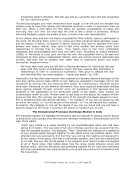
new conversation” (1993, p. xxvii). For that reason, I salute the women who, upon
invitation, contributed to this special issue. Whether writing as professionals with some
experience in this area or as survivors of some form of authoritarian abuse or power
imbalance, these authors have honored all women who have been entrapped, hindered,
traumatized, and harmed by a perpetrator of psychological manipulation and control.
Women‟s voices coming together to bring new perspectives, a broad understanding,
renewed hope, and eventually change--that was my dream in putting together this special
volume. I thank my colleagues here for making my dream come true.
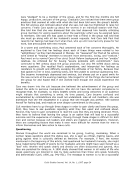
We don‟t pretend to have “the answer” rather, with these essays, our hope is to begin a
discussion (or many discussions) on a topic much in need of airing, where both public and
professional scrutiny have been lacking for far too long. So, let the stories be told, the data
gathered, the conclusions drawn, the questions asked and re-asked. Let‟s do it for the
women, the children, the men, each other, and the world.
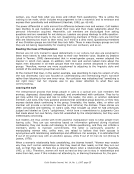
References
Brownmiller, S. (1975). Against our will: Men, women and rape. New York: Simon &
Schuster.
Gilligan, C. (1993). In a different voice: Psychological theory and women’s development
(Originally published in 1982). Cambridge, MA: Harvard University Press.
************************
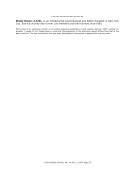
Janja Lalich is an author, educator, and consultant in the field of cults and psychological
influence. Her most recent book is “Crazy” Therapies: What Are They? Do They Work?
(Jossey-Bass, 1996, coauthored with Margaret Thaler Singer). She is Education Director at
Community Resources on Influence &Control (CRIC) in Alameda, California, and may be
reached by E-mail at Janja@crl.com.
This article is an electronic version of an article originally published in Cultic Studies Journal, 1997, Volume 14,
Number 1, pages 1-3. Please keep in mind that the pagination of this electronic reprint differs from that of the
bound volume. This fact could affect how you enter bibliographic information in papers that you may write.
new conversation” (1993, p. xxvii). For that reason, I salute the women who, upon
invitation, contributed to this special issue. Whether writing as professionals with some
experience in this area or as survivors of some form of authoritarian abuse or power
imbalance, these authors have honored all women who have been entrapped, hindered,
traumatized, and harmed by a perpetrator of psychological manipulation and control.
Women‟s voices coming together to bring new perspectives, a broad understanding,
renewed hope, and eventually change--that was my dream in putting together this special
volume. I thank my colleagues here for making my dream come true.
We don‟t pretend to have “the answer” rather, with these essays, our hope is to begin a
discussion (or many discussions) on a topic much in need of airing, where both public and
professional scrutiny have been lacking for far too long. So, let the stories be told, the data
gathered, the conclusions drawn, the questions asked and re-asked. Let‟s do it for the
women, the children, the men, each other, and the world.
References
Brownmiller, S. (1975). Against our will: Men, women and rape. New York: Simon &
Schuster.
Gilligan, C. (1993). In a different voice: Psychological theory and women’s development
(Originally published in 1982). Cambridge, MA: Harvard University Press.
************************
Janja Lalich is an author, educator, and consultant in the field of cults and psychological
influence. Her most recent book is “Crazy” Therapies: What Are They? Do They Work?
(Jossey-Bass, 1996, coauthored with Margaret Thaler Singer). She is Education Director at
Community Resources on Influence &Control (CRIC) in Alameda, California, and may be
reached by E-mail at Janja@crl.com.
This article is an electronic version of an article originally published in Cultic Studies Journal, 1997, Volume 14,
Number 1, pages 1-3. Please keep in mind that the pagination of this electronic reprint differs from that of the
bound volume. This fact could affect how you enter bibliographic information in papers that you may write.