Cultic Studies Journal, Vol. 14, No. 1, 1997, page 10
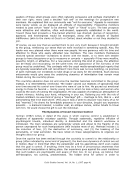
A matter of honor. The woman is told that a sexual encounter with the leader is an honor,
a special gift, a way of achieving further growth. This manipulative technique is a slick
combination of sexual coercion and exploitation of the woman‟s faith. A devotee may be
asked, for example, to help the leader relax or feel better. She may be led to believe that
her increasing intimacy with the leader is crucial to his ongoing spiritual work, and is
certainly necessary for her own path to enlightenment or salvation. In this way, sexual
activities with the leader are interpreted and rationalized as spiritually beneficial.
This type of self-serving logic is quite typical of some of the guru-based cults, where even
the supposedly celibate swami justifies his actions by telling each disciple that theirs is a
special relationship, blessed by God or other spiritual higher-ups. Typically the woman is led
to believe that she is the only one with whom the guru is involved. Bolstered by her desire
to obey and live up to her commitment, the woman pushes away any ambivalence she may
feel and surrenders to her guru. Shame and secrecy, not enlightenment, are the outcomes
of these liaisons.
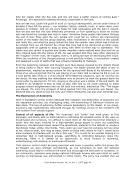
The loyalty test. Transparent as it may seem to those not in a cult, the expectation that
“true” followers will demonstrate their loyalty is an effective tool for manipulating cult
members. The more a leader demands, the more power he gets. Soon he intrudes and
controls every aspect of life. The rationale is that nothing is too sacred to withhold from the
leader. Giving oneself, and sometimes even one‟s children, is viewed as a noble sacrifice.
Physical violence and sexual abuse are incorporated into elaborate rituals in some cults,
where these activities are endowed with mystical or magical meanings. In some cults, the
testing of loyalty may be done in a sexually sadistic manner, further debilitating the follower
and increasing personal confusion and dependency on the leader.
Testing may also take the form of controlling sexual preferences or relationships --for
example, telling a lesbian that she can no longer follow her preference, or instigating a crisis
situation where a person must break off a personal relationship in order to prove loyalty to
the cult. Each time the person obeys the cult at the cost of forgoing her personal
preference, she loses more sense of personal control, and consequently, self-esteem.
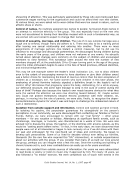
Female subservience. Women are strictly controlled in many cults. It is not uncommon for
a woman to be a de facto slave of her spouse, who may not have been chosen or approved
of by her. Nevertheless, she is expected to be completely submissive to all demands placed
on her by her partner--or by those in leadership. Certain groups also condone punishment
of women in the form of beatings or forced sexual intercourse, sometimes in front of a
group. Refusing to go along is regarded as disobedience, and in a cult, disobedience is sin.
In some cults --and this is especially found in certain religious cults, whether based on
Western or Eastern belief systems --women are regarded as second-class citizens. In one
well-known cult, for example, members are taught that the brain of a woman is half the size
of a man‟s. In many groups, the woman is viewed as the cause of all evil in the universe,
the one who brings the man down, diverts him from his spiritual path. The woman is “of the
flesh,” while the man is “of god.” She is lesser, spiritually inferior, negative. Women learn to
take the blame, feel the guilt, and carry the shame of others‟ behavior.
******
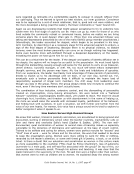
Other exploitative scenarios include sex “therapy,” the guise of “true love,” ritualized sex
acts, group sex, and swapping of partners. Seduction, rape, forced drug use, induced
altered states, manipulation of emotions, the imposition of anxiety and fear states, and
other varieties of the misuse of power all surround the sexual abuse perpetrated in cults
and cultic relationships. Vows of silence and pledges of obedience help perpetuate the cruel,
exploitative, and sometimes violent system.
A matter of honor. The woman is told that a sexual encounter with the leader is an honor,
a special gift, a way of achieving further growth. This manipulative technique is a slick
combination of sexual coercion and exploitation of the woman‟s faith. A devotee may be
asked, for example, to help the leader relax or feel better. She may be led to believe that
her increasing intimacy with the leader is crucial to his ongoing spiritual work, and is
certainly necessary for her own path to enlightenment or salvation. In this way, sexual
activities with the leader are interpreted and rationalized as spiritually beneficial.
This type of self-serving logic is quite typical of some of the guru-based cults, where even
the supposedly celibate swami justifies his actions by telling each disciple that theirs is a
special relationship, blessed by God or other spiritual higher-ups. Typically the woman is led
to believe that she is the only one with whom the guru is involved. Bolstered by her desire
to obey and live up to her commitment, the woman pushes away any ambivalence she may
feel and surrenders to her guru. Shame and secrecy, not enlightenment, are the outcomes
of these liaisons.
The loyalty test. Transparent as it may seem to those not in a cult, the expectation that
“true” followers will demonstrate their loyalty is an effective tool for manipulating cult
members. The more a leader demands, the more power he gets. Soon he intrudes and
controls every aspect of life. The rationale is that nothing is too sacred to withhold from the
leader. Giving oneself, and sometimes even one‟s children, is viewed as a noble sacrifice.
Physical violence and sexual abuse are incorporated into elaborate rituals in some cults,
where these activities are endowed with mystical or magical meanings. In some cults, the
testing of loyalty may be done in a sexually sadistic manner, further debilitating the follower
and increasing personal confusion and dependency on the leader.
Testing may also take the form of controlling sexual preferences or relationships --for
example, telling a lesbian that she can no longer follow her preference, or instigating a crisis
situation where a person must break off a personal relationship in order to prove loyalty to
the cult. Each time the person obeys the cult at the cost of forgoing her personal
preference, she loses more sense of personal control, and consequently, self-esteem.
Female subservience. Women are strictly controlled in many cults. It is not uncommon for
a woman to be a de facto slave of her spouse, who may not have been chosen or approved
of by her. Nevertheless, she is expected to be completely submissive to all demands placed
on her by her partner--or by those in leadership. Certain groups also condone punishment
of women in the form of beatings or forced sexual intercourse, sometimes in front of a
group. Refusing to go along is regarded as disobedience, and in a cult, disobedience is sin.
In some cults --and this is especially found in certain religious cults, whether based on
Western or Eastern belief systems --women are regarded as second-class citizens. In one
well-known cult, for example, members are taught that the brain of a woman is half the size
of a man‟s. In many groups, the woman is viewed as the cause of all evil in the universe,
the one who brings the man down, diverts him from his spiritual path. The woman is “of the
flesh,” while the man is “of god.” She is lesser, spiritually inferior, negative. Women learn to
take the blame, feel the guilt, and carry the shame of others‟ behavior.
******
Other exploitative scenarios include sex “therapy,” the guise of “true love,” ritualized sex
acts, group sex, and swapping of partners. Seduction, rape, forced drug use, induced
altered states, manipulation of emotions, the imposition of anxiety and fear states, and
other varieties of the misuse of power all surround the sexual abuse perpetrated in cults
and cultic relationships. Vows of silence and pledges of obedience help perpetuate the cruel,
exploitative, and sometimes violent system.