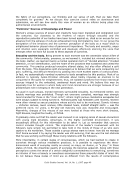
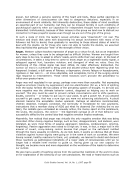
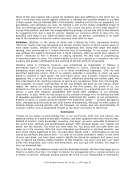
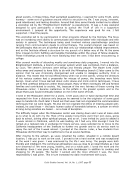
Cultic Studies Journal, Vol. 14, No. 1, 1997, page 81
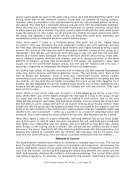
Spending time with people outside of the group was discouraged unless it was to
convert them.
Control Scale questions were rated on a scale of 1 to 3 (agree, somewhat agree, or
disagree). A score of 22 meant complete agreement with every item, indicating a very high
degree of control by the group over members‟ lives. A score of 66 (not agreeing with any
item) would indicate a group that exercised very little control over its members.
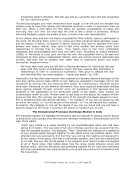
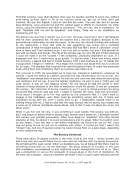
Table 1. Demographics of Former Jehovah’s Witnesses Women in the Study
Respon-
dent
Current
Age
Age
Joined
Yrs in
WTS
Yrs Since
Leaving
Marital
Status
Income in
Thou.
1 36 Birth 15 21 Married 35-50
2 23 8 10 5 Married 20-35
3 24 7 13 4 Married 20-35
4 39 9 30 1 Married 20-35
5 67 35 30 2 Divorced 20
6 40 5 23 12 Married 35-50
7 47 21 22 4 Married 35-50
8 35 Birth 28 7 Divorced 20
9 33 6 25 2 Married 20-35
10 39 20 19 1 Divorced 20
11 48 45 1 2 Single 20
12 21 Birth 20 1 Single 20
13 30 5 22 3 Married 50
14 31 Birth 20 11 Divorced 20
15 28 1 27 1 Single/
Lesbian
50
16 51 5 35 11 Divorced 20
17 74 24 20 30 Married 20-35
18 48 22 23 3 Married 50
19 33 Birth 31 2 Divorced 20
20 42 18 17 7 Single 20-35
Mean
(SD)
39.5
(13.7)
11.6
(12.8)
21.6
(7.8)
6.5
(7.5)
Patriarchal/Egalitarian Scale
The section of the survey that dealt with Patriarchal/Egalitarian (P/E) attitudes contained
items that were primarily phrased in egalitarian terms. Participants were asked to either
rate the statements on a 5-point scale or indicate that the statement was not applicable.
Answers were rated as follows: never (1), sometimes (2), usually (3), almost always (4), or
all of the time (5). Following is a sample of some of the items:
Men and women have similar opportunities to aspire to prestigious positions within
the group/congregation.
Men and women have equal say in how to allocate money.
I can choose whoever I want as my husband/partner.
I can express my spirituality as freely as men can.
Men and women have equal input into how children are raised.
Men and women have the same opportunities to develop a career.
A few items were expressed in patriarchal terms:
Spending time with people outside of the group was discouraged unless it was to
convert them.
Control Scale questions were rated on a scale of 1 to 3 (agree, somewhat agree, or
disagree). A score of 22 meant complete agreement with every item, indicating a very high
degree of control by the group over members‟ lives. A score of 66 (not agreeing with any
item) would indicate a group that exercised very little control over its members.
Table 1. Demographics of Former Jehovah’s Witnesses Women in the Study
Respon-
dent
Current
Age
Age
Joined
Yrs in
WTS
Yrs Since
Leaving
Marital
Status
Income in
Thou.
1 36 Birth 15 21 Married 35-50
2 23 8 10 5 Married 20-35
3 24 7 13 4 Married 20-35
4 39 9 30 1 Married 20-35
5 67 35 30 2 Divorced 20
6 40 5 23 12 Married 35-50
7 47 21 22 4 Married 35-50
8 35 Birth 28 7 Divorced 20
9 33 6 25 2 Married 20-35
10 39 20 19 1 Divorced 20
11 48 45 1 2 Single 20
12 21 Birth 20 1 Single 20
13 30 5 22 3 Married 50
14 31 Birth 20 11 Divorced 20
15 28 1 27 1 Single/
Lesbian
50
16 51 5 35 11 Divorced 20
17 74 24 20 30 Married 20-35
18 48 22 23 3 Married 50
19 33 Birth 31 2 Divorced 20
20 42 18 17 7 Single 20-35
Mean
(SD)
39.5
(13.7)
11.6
(12.8)
21.6
(7.8)
6.5
(7.5)
Patriarchal/Egalitarian Scale
The section of the survey that dealt with Patriarchal/Egalitarian (P/E) attitudes contained
items that were primarily phrased in egalitarian terms. Participants were asked to either
rate the statements on a 5-point scale or indicate that the statement was not applicable.
Answers were rated as follows: never (1), sometimes (2), usually (3), almost always (4), or
all of the time (5). Following is a sample of some of the items:
Men and women have similar opportunities to aspire to prestigious positions within
the group/congregation.
Men and women have equal say in how to allocate money.
I can choose whoever I want as my husband/partner.
I can express my spirituality as freely as men can.
Men and women have equal input into how children are raised.
Men and women have the same opportunities to develop a career.
A few items were expressed in patriarchal terms: