Cultic Studies Journal, Vol. 9, No. 2, 1992, Page 9
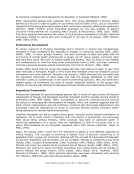
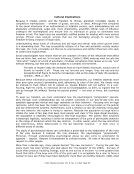
to insurance companies that appeared to be deceptive or fraudulent (Boland, 1989).
Other documented abuses took corporate form. One group attempted to become legally
defined as a church in order to qualify for tax-exempt status (Ofshe, 1976), and an indictment
charged that the group destroyed evidence that would have adversely affected the application
(Shenon, 1985). Another group prescribed marriages for the sole purpose of gaining
insurance reimbursement for counseling fees (Conason &McGarrahan, 1986 Span, 1988).
Two other agencies that became the center of such practices expanded to include numerous
businesses staffed by clients who were underpaid or not paid at all (Ayella, 1985 Mithers,
1988 Ofshe, 1976).
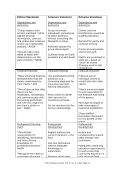
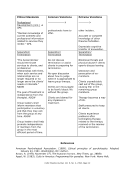
Professional Development
To remain cognizant of changing knowledge and to maintain or acquire new competencies,
members of most professions are expected to engage in continuing learning (APA, 1989
NASW, 1990). In these groups, however, the open exchange of ideas and skills with the
community of mental health professionals is largely cut off. Group leaders commonly claim
that they have found “the way” to mental health and healing. They are likely to use hostility
and condescension to minimize what other professionals have to offer, and they commonly
cultivate a paranoia towards outside professionals (Temerlin &Temerlin, 1982, 1986).
Ayella (1985) found that the group she studied felt they had nothing to learn or gain from
other theorists or therapies. Rubins (1974) found that members were not allowed to pursue
information from other theorists. Temerlin and Temerlin (1986) observed that the leader was
the appointed interpreter of other ideas and that the groups attempted to limit their
members‟ access to outside books in the name of preventing confusion they also observed a
related pattern of minimizing the value of critical, analytical thinking. In the groups they
studied, all learning was believed to take place through emotion and experiential processes.
Separation/Termination
Professional standards for psychotherapists assume that in nearly all cases clients will become
independent of therapy and therapists and that competent practice includes moving clients to
termination (APA, 1989 NASW, 1990). Incompetent or passively unethical practice involves
the failure to encourage the development of insights, skills, and external supports that will
foster clients‟ independence and self-confidence. Practices that discourage independence and
encourage continued dependence on group or individual therapy actively contradict estab-
lished standards for mental health professionals.
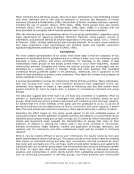
Unethical therapists can fail to support these goals, interpret moves toward termination as
resistance, fail to assist clients in deciding when termination is appropriate, and encourage
fears about being without therapy. These practices may take on particular power in
reinforcing dependency on a group. They are highlighted by faith in the group that is so
strong that therapists do not recognize casualties within their groups (Liberman, Yalom, &
Miles, 1973).
Again, the groups under review here are described as taking a very different approach to
ending therapy. The concepts of achieving a healthy level of personal functioning or of
graduation from a group are commonly replaced with the concept of a permanent therapeutic
community. Separation and termination are not accepted. Therapy is considered a way of life
(Ayella, 1985 Conason &McGarrahan, 1986 Hochman, 1984 Mithers, 1988 Ofshe, 1976).
Persons who leave are viewed not as successes but as failures (Ayella, 1985 Ofshe, 1976).
Members who attempt to leave have been threatened with mental illness and an inability to
survive without the group (Anson, 1978 Ayella, 1985 Black, 1975 Hochman, 1984
Temerlin &Temerlin, 1986). Other potential departees have been threatened with personal
ruin (Mithers, 1988) and even with physical attacks (Span, 1988).
to insurance companies that appeared to be deceptive or fraudulent (Boland, 1989).
Other documented abuses took corporate form. One group attempted to become legally
defined as a church in order to qualify for tax-exempt status (Ofshe, 1976), and an indictment
charged that the group destroyed evidence that would have adversely affected the application
(Shenon, 1985). Another group prescribed marriages for the sole purpose of gaining
insurance reimbursement for counseling fees (Conason &McGarrahan, 1986 Span, 1988).
Two other agencies that became the center of such practices expanded to include numerous
businesses staffed by clients who were underpaid or not paid at all (Ayella, 1985 Mithers,
1988 Ofshe, 1976).
Professional Development
To remain cognizant of changing knowledge and to maintain or acquire new competencies,
members of most professions are expected to engage in continuing learning (APA, 1989
NASW, 1990). In these groups, however, the open exchange of ideas and skills with the
community of mental health professionals is largely cut off. Group leaders commonly claim
that they have found “the way” to mental health and healing. They are likely to use hostility
and condescension to minimize what other professionals have to offer, and they commonly
cultivate a paranoia towards outside professionals (Temerlin &Temerlin, 1982, 1986).
Ayella (1985) found that the group she studied felt they had nothing to learn or gain from
other theorists or therapies. Rubins (1974) found that members were not allowed to pursue
information from other theorists. Temerlin and Temerlin (1986) observed that the leader was
the appointed interpreter of other ideas and that the groups attempted to limit their
members‟ access to outside books in the name of preventing confusion they also observed a
related pattern of minimizing the value of critical, analytical thinking. In the groups they
studied, all learning was believed to take place through emotion and experiential processes.
Separation/Termination
Professional standards for psychotherapists assume that in nearly all cases clients will become
independent of therapy and therapists and that competent practice includes moving clients to
termination (APA, 1989 NASW, 1990). Incompetent or passively unethical practice involves
the failure to encourage the development of insights, skills, and external supports that will
foster clients‟ independence and self-confidence. Practices that discourage independence and
encourage continued dependence on group or individual therapy actively contradict estab-
lished standards for mental health professionals.
Unethical therapists can fail to support these goals, interpret moves toward termination as
resistance, fail to assist clients in deciding when termination is appropriate, and encourage
fears about being without therapy. These practices may take on particular power in
reinforcing dependency on a group. They are highlighted by faith in the group that is so
strong that therapists do not recognize casualties within their groups (Liberman, Yalom, &
Miles, 1973).
Again, the groups under review here are described as taking a very different approach to
ending therapy. The concepts of achieving a healthy level of personal functioning or of
graduation from a group are commonly replaced with the concept of a permanent therapeutic
community. Separation and termination are not accepted. Therapy is considered a way of life
(Ayella, 1985 Conason &McGarrahan, 1986 Hochman, 1984 Mithers, 1988 Ofshe, 1976).
Persons who leave are viewed not as successes but as failures (Ayella, 1985 Ofshe, 1976).
Members who attempt to leave have been threatened with mental illness and an inability to
survive without the group (Anson, 1978 Ayella, 1985 Black, 1975 Hochman, 1984
Temerlin &Temerlin, 1986). Other potential departees have been threatened with personal
ruin (Mithers, 1988) and even with physical attacks (Span, 1988).