Cultic Studies Journal, Vol. 9, No. 2, 1992, Page 47
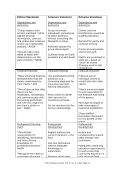
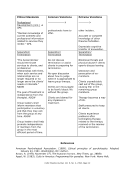
4. systematically or intentionally undermine the influencee‟s feelings of worth
In psychological abuse, other people are not respected. They are treated as objects to be
manipulated for the benefit of another. Respecting psychologically abused people obliges
one to intervene in some way otherwise one implicitly condones the abuse. However,
deciding what intervention is appropriate in a particular case can be very difficult. It may
depend upon factors such as the closeness of one‟s relationship with the abused person, the
probability of success of a given intervention, the availability of help, the degree of abuse,
one‟s personal skills and resources, and the psychological makeup of the abused person.
Sometimes the realistic ethical course may be to support certain social changes that would
make abuse less likely, for example, educational programs on child abuse.
Also complicating the decision to intervene is the tendency to impute unconscious
motivations or character deficiencies to abused persons. Such imputations can be self-
serving in that they provide observers with a rationalization for not acting on behalf of
others. Students of psychological abuse, however, recognize that, although personal
vulnerabilities play a role in the process, the primary cause of the painful effects is the
unethical manipulations of the victimizer(s). Victimizers abuse victims. However much
victims‟ vulnerabilities may contribute to the process, victimizers must not be excused.
What they do --regardless of its effectiveness or the proclaimed nobility of its goals --is
ethically indefensible. When this is recognized, an ethical obligation to combat psychological
abuse automatically arises. This obligation may, depending upon the observer‟s
circumstances, manifest anywhere along a continuum from “moral support” to full-time
dedication to countering one or more types of psychological abuse.
Treatment Implications
This view of psychological abuse has important implications for treatment. Because the
process of abuse is done to victims, however much their vulnerabilities may single them out
as especially at risk, victims must come to understand the psychological techniques that
enabled the victimizer(s) to abuse the victims‟ mind, autonomy, identity, and dignity. In
addition to protecting victims against future manipulations, such an understanding also
enables victims to demystify victimizers and knock them off the phony thrones from which
they played God. Leveling the playing field, so to speak, enhances victims‟ capacity to
restore their dignity.
Victims also need to realize that what was done to them was wrong. The ethical dimension
of psychological abuse must be placed in bold relief and its victims must be allowed --
encouraged even --to express appropriate moral outrage. The outrage will not magically
eliminate the abuse and its effects. Nor will it necessarily bring the victimizer to justice. But
it will enable victims to assert their inherent worth and their sense of right and wrong by
condemning the evil done to them. Moral outrage fortifies good against formidable evil.
Even implicitly denying victims‟ need to express moral outrage shifts blame from victimizers
to victims. Perhaps that is why so many victims are disturbed by “detached” therapists, or
“objective” scientific researchers. They interpret the detachment or “objectivity” as implicit
blaming of themselves.
Using words such as “good” and “evil” may seem medieval to some. I believe, however, that
the banishment of such terms and concepts from psychological language diminishes the
mental health profession‟s effectiveness. The wife abuser does not merely have “different
values” from the abused wife. The husband is morally culpable and the abused and mentally
confused wife needs at some point to express moral outrage in order to reawaken her sense
of right and wrong. This does not mean that respect should not or cannot be shown toward
the victimizer. Moral condemnation is not incompatible with respect, because respect is not
synonymous with approval. Indeed, as the abused wife reawakens her ethical sense through
moral outrage, the abusing husband can reawaken his ethical sense through sincere
4. systematically or intentionally undermine the influencee‟s feelings of worth
In psychological abuse, other people are not respected. They are treated as objects to be
manipulated for the benefit of another. Respecting psychologically abused people obliges
one to intervene in some way otherwise one implicitly condones the abuse. However,
deciding what intervention is appropriate in a particular case can be very difficult. It may
depend upon factors such as the closeness of one‟s relationship with the abused person, the
probability of success of a given intervention, the availability of help, the degree of abuse,
one‟s personal skills and resources, and the psychological makeup of the abused person.
Sometimes the realistic ethical course may be to support certain social changes that would
make abuse less likely, for example, educational programs on child abuse.
Also complicating the decision to intervene is the tendency to impute unconscious
motivations or character deficiencies to abused persons. Such imputations can be self-
serving in that they provide observers with a rationalization for not acting on behalf of
others. Students of psychological abuse, however, recognize that, although personal
vulnerabilities play a role in the process, the primary cause of the painful effects is the
unethical manipulations of the victimizer(s). Victimizers abuse victims. However much
victims‟ vulnerabilities may contribute to the process, victimizers must not be excused.
What they do --regardless of its effectiveness or the proclaimed nobility of its goals --is
ethically indefensible. When this is recognized, an ethical obligation to combat psychological
abuse automatically arises. This obligation may, depending upon the observer‟s
circumstances, manifest anywhere along a continuum from “moral support” to full-time
dedication to countering one or more types of psychological abuse.
Treatment Implications
This view of psychological abuse has important implications for treatment. Because the
process of abuse is done to victims, however much their vulnerabilities may single them out
as especially at risk, victims must come to understand the psychological techniques that
enabled the victimizer(s) to abuse the victims‟ mind, autonomy, identity, and dignity. In
addition to protecting victims against future manipulations, such an understanding also
enables victims to demystify victimizers and knock them off the phony thrones from which
they played God. Leveling the playing field, so to speak, enhances victims‟ capacity to
restore their dignity.
Victims also need to realize that what was done to them was wrong. The ethical dimension
of psychological abuse must be placed in bold relief and its victims must be allowed --
encouraged even --to express appropriate moral outrage. The outrage will not magically
eliminate the abuse and its effects. Nor will it necessarily bring the victimizer to justice. But
it will enable victims to assert their inherent worth and their sense of right and wrong by
condemning the evil done to them. Moral outrage fortifies good against formidable evil.
Even implicitly denying victims‟ need to express moral outrage shifts blame from victimizers
to victims. Perhaps that is why so many victims are disturbed by “detached” therapists, or
“objective” scientific researchers. They interpret the detachment or “objectivity” as implicit
blaming of themselves.
Using words such as “good” and “evil” may seem medieval to some. I believe, however, that
the banishment of such terms and concepts from psychological language diminishes the
mental health profession‟s effectiveness. The wife abuser does not merely have “different
values” from the abused wife. The husband is morally culpable and the abused and mentally
confused wife needs at some point to express moral outrage in order to reawaken her sense
of right and wrong. This does not mean that respect should not or cannot be shown toward
the victimizer. Moral condemnation is not incompatible with respect, because respect is not
synonymous with approval. Indeed, as the abused wife reawakens her ethical sense through
moral outrage, the abusing husband can reawaken his ethical sense through sincere