Cultic Studies Journal, Vol. 9, No. 2, 1992, Page 75
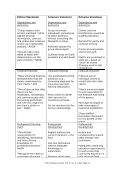
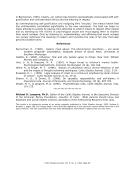
caution,” giving the benefit of doubt if uncertain posing basic “foundational” questions and
consulting with “reputable discernment ministries that honor biblical principles of
discernment” (p. 107).
This book contains commonsense advice, but other books on destructive cults contain more
information. Concise and clearly written, Orthodoxy and Heresy will be of interest to
Christians concerned about sectarian differences and competing ministries. Political,
personality, occult, and Eastern-style cults are omitted.
Frank J. MacHovec, Ph.D., Director
Center of the Study of the Self
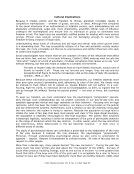
Churches That Abuse. Ronald M. Enroth. Zondervan, Grand Rapids, MI, 1992, 227
pages.
In 1989, after undergoing a traumatic experience of spiritual abuse in a mainstream
Protestant church, I needed help. Once I categorized my experience as spiritual abuse, I
made a trip to a Christian bookstore to purchase anything I could find about this type of
abuse. The bookstore was well stocked, but I left empty-handed. The clerk informed me that
numerous books were available on abuses from A-Z. But “spiritual abuse?” Sorry, she had
just never heard of that before.
I was appalled to discover that particular bookstore was not an exception: books on spiritual
abuse were simply not available. “Oh, we have books on cults. Is that what you mean”“ clerks
asked. Their blank looks fed my frustration as well as my determination to discover a book on
spiritual abuse. I began scavenging the catalogues of Christian book clearinghouses, certain
that a book must be available on spiritual abuse somewhere. Certainly this most vicious form
of abuse “the bruising of one‟s soul” was not being ignored by Christian authors. My search
was in vain.
When I learned in mid-1991 that Dr. Ronald Enroth, a sociology professor at Westmont
College and a committed Christian, was writing a book on abusive churches, I knew my
search was over. Not only was a book being written validating the reality and shocking
prevalence of spiritual abuse, but it was being authored by one of the nation‟s foremost
authorities on American religious movements.
Dr. Enroth tackles spiritual abuse head-on in his introduction: “Unlike physical abuse that
often results in bruised bodies, spiritual and pastoral abuse leaves scars on the psyche and
soul. It is inflicted by persons who are accorded respect and honor in our society by virtue of
their role as religious leaders and models of spiritual authority.” Churches That Abuse is a
powerful, well-documented exposé about “battered believers and abused Christians,” most of
whom define themselves as “born-again Christians,” individuals spiritually abused by churches
and leaders that are evangelical or fundamentalist in theological orientation.
Abusive churches, according to Dr. Enroth, are not a phenomenon peculiar to current times.
Paralleling abusive churches of the past with those of today, Enroth presents characteristics
that serve as reliable warning signals:
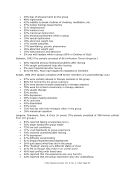
There is strong, control-oriented leadership.
The use of guilt, fear, and intimidation by the leadership to manipulate members and
keep them in line.
Followers led to think that there is no other church quite like theirs, and that God has
singled them out for a special purpose.
Other, more traditional churches are put down as being less “holy.”
Subjective experience, especially public or group testimonials (sometimes coached),
are encouraged and emphasized.
caution,” giving the benefit of doubt if uncertain posing basic “foundational” questions and
consulting with “reputable discernment ministries that honor biblical principles of
discernment” (p. 107).
This book contains commonsense advice, but other books on destructive cults contain more
information. Concise and clearly written, Orthodoxy and Heresy will be of interest to
Christians concerned about sectarian differences and competing ministries. Political,
personality, occult, and Eastern-style cults are omitted.
Frank J. MacHovec, Ph.D., Director
Center of the Study of the Self
Churches That Abuse. Ronald M. Enroth. Zondervan, Grand Rapids, MI, 1992, 227
pages.
In 1989, after undergoing a traumatic experience of spiritual abuse in a mainstream
Protestant church, I needed help. Once I categorized my experience as spiritual abuse, I
made a trip to a Christian bookstore to purchase anything I could find about this type of
abuse. The bookstore was well stocked, but I left empty-handed. The clerk informed me that
numerous books were available on abuses from A-Z. But “spiritual abuse?” Sorry, she had
just never heard of that before.
I was appalled to discover that particular bookstore was not an exception: books on spiritual
abuse were simply not available. “Oh, we have books on cults. Is that what you mean”“ clerks
asked. Their blank looks fed my frustration as well as my determination to discover a book on
spiritual abuse. I began scavenging the catalogues of Christian book clearinghouses, certain
that a book must be available on spiritual abuse somewhere. Certainly this most vicious form
of abuse “the bruising of one‟s soul” was not being ignored by Christian authors. My search
was in vain.
When I learned in mid-1991 that Dr. Ronald Enroth, a sociology professor at Westmont
College and a committed Christian, was writing a book on abusive churches, I knew my
search was over. Not only was a book being written validating the reality and shocking
prevalence of spiritual abuse, but it was being authored by one of the nation‟s foremost
authorities on American religious movements.
Dr. Enroth tackles spiritual abuse head-on in his introduction: “Unlike physical abuse that
often results in bruised bodies, spiritual and pastoral abuse leaves scars on the psyche and
soul. It is inflicted by persons who are accorded respect and honor in our society by virtue of
their role as religious leaders and models of spiritual authority.” Churches That Abuse is a
powerful, well-documented exposé about “battered believers and abused Christians,” most of
whom define themselves as “born-again Christians,” individuals spiritually abused by churches
and leaders that are evangelical or fundamentalist in theological orientation.
Abusive churches, according to Dr. Enroth, are not a phenomenon peculiar to current times.
Paralleling abusive churches of the past with those of today, Enroth presents characteristics
that serve as reliable warning signals:
There is strong, control-oriented leadership.
The use of guilt, fear, and intimidation by the leadership to manipulate members and
keep them in line.
Followers led to think that there is no other church quite like theirs, and that God has
singled them out for a special purpose.
Other, more traditional churches are put down as being less “holy.”
Subjective experience, especially public or group testimonials (sometimes coached),
are encouraged and emphasized.