Cultic Studies Journal, Vol. 9, No. 2, 1992, Page 20
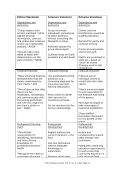
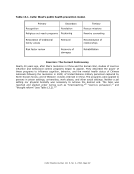
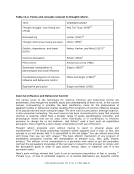
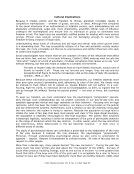
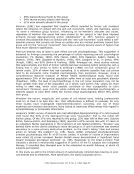
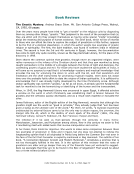
Table 13.1. Cults: West’s public health prevention model.
Primary Secondary Tertiary
Recognition Revelation Rescue missions
Religious out-reach programs Reckoning Reentry counseling
Restoration of traditional
family values
Removal Reconstitution of
relationships
Risk factor review Recovery of
damages
Rehabilitation
Coercion: The Current Controversy
Nearly 40 years ago, after Mao‟s revolution in China and the Korean War, studies of coercive
influence and behavioral control programs began to appear. They described the power of
these programs to influence cognition, behavior, and the mental health status of Chinese
nationals following the revolution in 1949 of United Nations military personnel captured by
North Korean forces and of Western civilians interned in China. The programs were applied to
persons in prison settings, universities, work places, and other social settings. Neither a jail
setting nor physical brutality was necessary to achieve the desired end. The topic was
reported and studied under names such as “brainwashing,”48 “coercive persuasion,”3 and
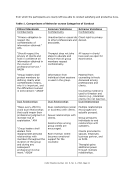
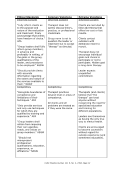
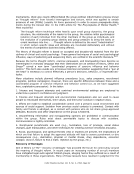
“thought reform” (see Table 13.2).2,27
Table 13.1. Cults: West’s public health prevention model.
Primary Secondary Tertiary
Recognition Revelation Rescue missions
Religious out-reach programs Reckoning Reentry counseling
Restoration of traditional
family values
Removal Reconstitution of
relationships
Risk factor review Recovery of
damages
Rehabilitation
Coercion: The Current Controversy
Nearly 40 years ago, after Mao‟s revolution in China and the Korean War, studies of coercive
influence and behavioral control programs began to appear. They described the power of
these programs to influence cognition, behavior, and the mental health status of Chinese
nationals following the revolution in 1949 of United Nations military personnel captured by
North Korean forces and of Western civilians interned in China. The programs were applied to
persons in prison settings, universities, work places, and other social settings. Neither a jail
setting nor physical brutality was necessary to achieve the desired end. The topic was
reported and studied under names such as “brainwashing,”48 “coercive persuasion,”3 and
“thought reform” (see Table 13.2).2,27