Cultic Studies Journal, Vol. 9, No. 2, 1992, Page 26
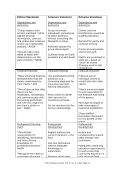
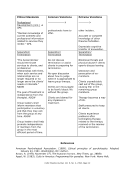
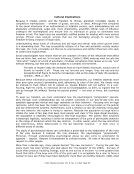
One of Orwell‟s main themes in his novel was that if language can be controlled, anything can
be controlled, including behavior therefore, control of language can enable one to rule. Cults
understand this principle well, as seen in the consistent practice by cults to redefine
commonly used words and to create new ones. Their efforts to ban the term cult and relabel
such groups appear to be a Madison Avenue-type attempt at image improvement.
Distortion 6: Critics of Religious Cults Must Be Antireligious
Once more the distinction between creed and deed is essential. The First Amendment clearly
distinguishes between the protection of belief and the protection of conduct.74 Protection of
belief is absolute, but conduct must follow legal rules. Thus, criticism of cultic behavior that is
illegal or detrimental to the health and welfare of cult members does not attack a person‟s
right to believe.
Distortion 7. Any Aberrant Act by a Member of a Cultic Group Is the Responsibility
of the Individual the Group Process Is Irrelevant
The assertion that any aberrant act by a member of a cultic group is the responsibility of the
individual, and that the group process is irrelevant, belies the facts and blames the victim
again. It seeks to ignore the control held by leaders over the members, thereby avoiding
ultimate responsibility. It explains away the Jonestown massacre as “revolutionary suicide,”75
as if none of the 912 followers were coerced to drink the poison. It ignores the armed guards,
the brutality, the actual homicides, and the fear endemic to the members of the People‟s
Temple. This assertion ignores cult-promoted murders76,77 and attempted murders,78 many of
which were instigated by the cult leader. It ignores leader-required forced prostitution
practiced as a means to gain new members and funds.79 It even ignores children beaten to
death in cults.80,81
Distortion 8: Charges of Cult Abuses by Ex-members Are Lies and Distortions of
Truth, Whereas Current Members Are Always Truthful
Stories related by cult members after they have separated from the group consistently reveal
harsh and bizarre conditions. They also point clearly to the power cult leaders exert. Cult sup-
porters must deny these stories if they do not, their silence validates the stories. Thus, the
false accusation that ex-members fabricate serves the purposes of the cults and their
supporters well. However, practices such as “heavenly deception” and “transcendental
trickery” would make one suspect that projection is behind this often-repeated myth.
Distortion 9: Psychiatrists, Psychologists, Social Scientists, and Attorneys Who
Participate in Legal Actions against Cults and Their Leaders Make Huge Sums of
Money from These Activities
Rather than speculate on why it is alleged that expert witnesses testifying against cults and
their leaders make huge sums of money, we note that the facts are clear. In most cases with
which we are familiar, attorneys representing ex-members do so on a pro bono or
contingency basis. If they did not, the cases could not proceed. In the cases with which we
are familiar, expert witnesses who are mental health professionals usually charge their normal
hourly rates for therapy social scientists charge their usual hourly rates for consulting. In
both cases, these professionals also have downward sliding scales for those who have less
financial resources, even providing free services when needed.
Distortion 10: Criminal and Tort Actions against Religious Cults Violate the First
Amendment Provision for Separation of Church and State
While using the First Amendment to try to prevent the exposure of wrongful acts under the
guise of religion, these same critics eschew the First Amendment‟s protection of speech when
they attempt to silence those who are critical of them. In any case, as noted several times in
this chapter, the criticisms of totalistic cults relate only to their practices, which are not
One of Orwell‟s main themes in his novel was that if language can be controlled, anything can
be controlled, including behavior therefore, control of language can enable one to rule. Cults
understand this principle well, as seen in the consistent practice by cults to redefine
commonly used words and to create new ones. Their efforts to ban the term cult and relabel
such groups appear to be a Madison Avenue-type attempt at image improvement.
Distortion 6: Critics of Religious Cults Must Be Antireligious
Once more the distinction between creed and deed is essential. The First Amendment clearly
distinguishes between the protection of belief and the protection of conduct.74 Protection of
belief is absolute, but conduct must follow legal rules. Thus, criticism of cultic behavior that is
illegal or detrimental to the health and welfare of cult members does not attack a person‟s
right to believe.
Distortion 7. Any Aberrant Act by a Member of a Cultic Group Is the Responsibility
of the Individual the Group Process Is Irrelevant
The assertion that any aberrant act by a member of a cultic group is the responsibility of the
individual, and that the group process is irrelevant, belies the facts and blames the victim
again. It seeks to ignore the control held by leaders over the members, thereby avoiding
ultimate responsibility. It explains away the Jonestown massacre as “revolutionary suicide,”75
as if none of the 912 followers were coerced to drink the poison. It ignores the armed guards,
the brutality, the actual homicides, and the fear endemic to the members of the People‟s
Temple. This assertion ignores cult-promoted murders76,77 and attempted murders,78 many of
which were instigated by the cult leader. It ignores leader-required forced prostitution
practiced as a means to gain new members and funds.79 It even ignores children beaten to
death in cults.80,81
Distortion 8: Charges of Cult Abuses by Ex-members Are Lies and Distortions of
Truth, Whereas Current Members Are Always Truthful
Stories related by cult members after they have separated from the group consistently reveal
harsh and bizarre conditions. They also point clearly to the power cult leaders exert. Cult sup-
porters must deny these stories if they do not, their silence validates the stories. Thus, the
false accusation that ex-members fabricate serves the purposes of the cults and their
supporters well. However, practices such as “heavenly deception” and “transcendental
trickery” would make one suspect that projection is behind this often-repeated myth.
Distortion 9: Psychiatrists, Psychologists, Social Scientists, and Attorneys Who
Participate in Legal Actions against Cults and Their Leaders Make Huge Sums of
Money from These Activities
Rather than speculate on why it is alleged that expert witnesses testifying against cults and
their leaders make huge sums of money, we note that the facts are clear. In most cases with
which we are familiar, attorneys representing ex-members do so on a pro bono or
contingency basis. If they did not, the cases could not proceed. In the cases with which we
are familiar, expert witnesses who are mental health professionals usually charge their normal
hourly rates for therapy social scientists charge their usual hourly rates for consulting. In
both cases, these professionals also have downward sliding scales for those who have less
financial resources, even providing free services when needed.
Distortion 10: Criminal and Tort Actions against Religious Cults Violate the First
Amendment Provision for Separation of Church and State
While using the First Amendment to try to prevent the exposure of wrongful acts under the
guise of religion, these same critics eschew the First Amendment‟s protection of speech when
they attempt to silence those who are critical of them. In any case, as noted several times in
this chapter, the criticisms of totalistic cults relate only to their practices, which are not