Cultic Studies Journal, Vol. 9, No. 2, 1992, Page 65
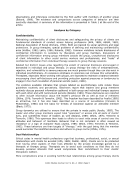
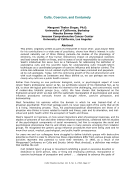
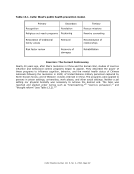
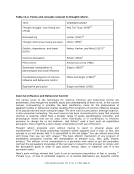
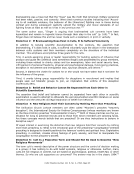
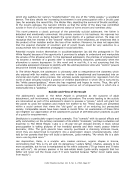
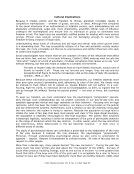
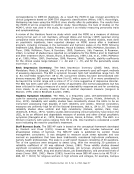
Table 6 Correlations Between tire MCMI and Other Measures
Measure Anxiety Somatoform Dysthymia
BDI(N =98) .50 (p .000) .35 (p.000) .54
(p.000)
HSCL (N =42) .59 (p .000) .43 (p.002) .58
(p.000)
Discussion
Nature and Level of Distress
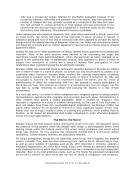
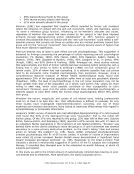
The former cultists in this study clearly experienced clinical levels of distress, as evidenced
by their scores on the MCMI-I, the BDI, the HSCL, and the SBS-HP. That the Wellspring
population, which was a selected sample of people seeking assistance, scored high on
distress measures is not surprising. That the FOCUS group scored at a comparable level is
unexpected and may have important implications for the treatment of ex-cultists (to be
discussed later).
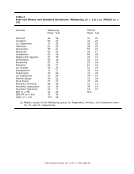
The FOCUS and Wellspring populations‟ mean scores were between one-half and one
standard deviation above the inpatient median on the MCMI for Anxiety, Dysthymia, and
Somatoform. Dependent, Histrionic, Compulsive, and Borderline scales were at or above the
median scores for inpatient populations. Overall, this population of ex-cultists is as
distressed as some psychiatric inpatients. Nevertheless, the investigators were surprised
that scores on the MCMI clinical scales were not higher, in part because 25% reported
physical and or sexual abuse while in the cult. Yet these abused persons were no more
distressed, as measured by the MCMI clinical scales, than those not experiencing physical or
sexual abuse. Consequently, these researchers suspect that unique aspects of distress may
be more accurately detected by using measures of dissociation in conjunction with clinical
measures such as the MCMI.
Indeed, the collective profiles for these populations appear to be sufficiently dissimilar to
established clinical profiles as to warrant labeling as a distinct syndrome. Moreover,
subjects‟ profiles looked at individually regularly show distinct elevations of Dependent and
Compulsive personality disorder scales.
The evidence of high symptom distress and personality disorder is consistent with clinical
reports about this population and inconsistent with reports that portray cultic involvement
as essentially benign or, as Levine (1984) says, “in the end therapeutic, although excesses
can occur” (p. 27).
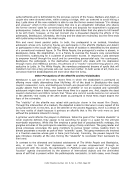
Research alluded to earlier suggests that in the years before joining a cult approximately
one third of cult joiners had been sufficiently distressed to seek counseling at some time.
Clinical reports (Clark, 1979 Singer 1978) indicate that although a sizeable minority of
cultists were psychologically troubled before joining cults, a majority appear only to have
been experiencing normal developmental crises prior to joining. Several studies found that
current cultists appear to be psychologically normal (Galanter, 1989 Levine, 1984 Ross,
1983 Ungerleider &Wellisch, 1979), although MMPT results in some studies evidenced
elevated Lie Scales (Ross, 1983 Ungerleider &Wellisch, 1979). Wright (1987) and Skonovd
(1983) reported that former cultists were subjected to intense pressure to remain in their
Table 6 Correlations Between tire MCMI and Other Measures
Measure Anxiety Somatoform Dysthymia
BDI(N =98) .50 (p .000) .35 (p.000) .54
(p.000)
HSCL (N =42) .59 (p .000) .43 (p.002) .58
(p.000)
Discussion
Nature and Level of Distress
The former cultists in this study clearly experienced clinical levels of distress, as evidenced
by their scores on the MCMI-I, the BDI, the HSCL, and the SBS-HP. That the Wellspring
population, which was a selected sample of people seeking assistance, scored high on
distress measures is not surprising. That the FOCUS group scored at a comparable level is
unexpected and may have important implications for the treatment of ex-cultists (to be
discussed later).
The FOCUS and Wellspring populations‟ mean scores were between one-half and one
standard deviation above the inpatient median on the MCMI for Anxiety, Dysthymia, and
Somatoform. Dependent, Histrionic, Compulsive, and Borderline scales were at or above the
median scores for inpatient populations. Overall, this population of ex-cultists is as
distressed as some psychiatric inpatients. Nevertheless, the investigators were surprised
that scores on the MCMI clinical scales were not higher, in part because 25% reported
physical and or sexual abuse while in the cult. Yet these abused persons were no more
distressed, as measured by the MCMI clinical scales, than those not experiencing physical or
sexual abuse. Consequently, these researchers suspect that unique aspects of distress may
be more accurately detected by using measures of dissociation in conjunction with clinical
measures such as the MCMI.
Indeed, the collective profiles for these populations appear to be sufficiently dissimilar to
established clinical profiles as to warrant labeling as a distinct syndrome. Moreover,
subjects‟ profiles looked at individually regularly show distinct elevations of Dependent and
Compulsive personality disorder scales.
The evidence of high symptom distress and personality disorder is consistent with clinical
reports about this population and inconsistent with reports that portray cultic involvement
as essentially benign or, as Levine (1984) says, “in the end therapeutic, although excesses
can occur” (p. 27).
Research alluded to earlier suggests that in the years before joining a cult approximately
one third of cult joiners had been sufficiently distressed to seek counseling at some time.
Clinical reports (Clark, 1979 Singer 1978) indicate that although a sizeable minority of
cultists were psychologically troubled before joining cults, a majority appear only to have
been experiencing normal developmental crises prior to joining. Several studies found that
current cultists appear to be psychologically normal (Galanter, 1989 Levine, 1984 Ross,
1983 Ungerleider &Wellisch, 1979), although MMPT results in some studies evidenced
elevated Lie Scales (Ross, 1983 Ungerleider &Wellisch, 1979). Wright (1987) and Skonovd
(1983) reported that former cultists were subjected to intense pressure to remain in their