Cultic Studies Journal, Vol. 9, No. 2, 1992, Page 77
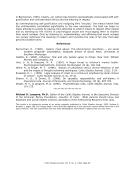
church pews, sowing havoc in Christian churches and, as Dr. Enroth‟s book reveals, no church
is immune. Even more tragic, toxic faith and spiritual abuse that are not confronted will
continue shattering the lives of unsuspecting, trusting Christians who turn to such churches
for refuge, hope, and spiritual nurturing. Understanding the scope of a problem is the first
step in curtailing or stopping it. Churches That Abuse provides this crucial understanding.
Maxine Pinson
Publisher/Editor, Savannah Parent
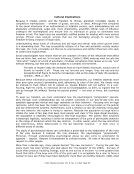
Apologetics in the New Age: A Christian Critique of Pantheism. David K. Clark
and Norman L. Geisler. Baker Book House, Grand Rapids, MI, 1990, 254 pages.
The truth claims of new religious movements and psychotechnologies have been essentially
ignored in public by the anti-cult movement in its initial decade and a half. Persons of varied
theologies and shared goodwill aimed their counterattacks at the human-rights-violating
practices of the cults. Fraud, deception, denial of informed consent, ritual abuse, involuntary
servitude, economic exploitation, sexual abuse, mistreatment of children, and other forms of
religious malpractice provided the focus.
But in the privacy of deprogramming and exit counseling sessions, the incongruities and self-
contradictions of cult truth claims played an important role in the discrediting of the groups
and their gurus. Truth claims were a potent issue.
For those of us who are publicly engaged in defending our faith traditions against the cultic
invaders, the examination and critique of competing truth claims has been an important part
of our functions. In my own Christian tradition we call this “apologetics.” My own approach to
apologetics included emphasis upon the cults as new versions of the old gnostic heresy which
claimed salvation by special illumination, as well as identification of the cultic denial of Jesus,
The Holy Bible, and the mainline churches as valid and efficacious.
Within the anti-cult movement, public discourse regarding truth claims reached a new level in
May 1991 with the visit of Dr. Johannes Aagard of Aarhus University in Denmark to meetings
sponsored by the American Family Foundation. His frontal challenge to cults on the field of
truth claims is demonstrated in Vol. 8, No. 2 of the Cultic Studies Journal, “Conversion,
Religious Change, and the Challenge of New Religious Movements” (1991).
Authors Clark and Geisler contribute to the examination of truth claims, particularly the
element of pantheism in New Age teachings. As self-professed Christian philosophers, they
engage in the apologetic task which they define. “Apologetics is a rational defense of the faith
offered in the spirit of concern and genuine care for the other. It is “speaking the truth in
love” (reference to St. Paul‟s ethical admonition to the Ephesians in 4:15) and both TRUTH
and LOVE are important.”
The urgency for this task comes from the emergence of Stoic pantheistic philosophy in the
New Age movement in such a way as to catch Christian apologists unaware. “Christians have
become successful in defending their faith against Epicurean atheism, but they are relatively
defenseless in the face of Stoic pantheism,” the authors contend. Pantheism is understood as
the idea that God is not a personality but all reality, that is, all the laws, forces and
manifestations of a self-existing universe.
Clark teaches at Bethel Theological Seminary and Geisler is dean of the Center for Christian
Scholarship at Liberty University. They set out to teach the reader about the five types of
pantheism, ancient and modern (permeational, absolute, multilevel, emanational, and
modal) and to show that Christians resist these ideas, not only because they are in basic
conflict with Christian teachings, but also because they fail by the four criteria of rational
plausibility: (1) consistency, (2) coherence, (3) proper evidence, and (4) clarity in concepts.
church pews, sowing havoc in Christian churches and, as Dr. Enroth‟s book reveals, no church
is immune. Even more tragic, toxic faith and spiritual abuse that are not confronted will
continue shattering the lives of unsuspecting, trusting Christians who turn to such churches
for refuge, hope, and spiritual nurturing. Understanding the scope of a problem is the first
step in curtailing or stopping it. Churches That Abuse provides this crucial understanding.
Maxine Pinson
Publisher/Editor, Savannah Parent
Apologetics in the New Age: A Christian Critique of Pantheism. David K. Clark
and Norman L. Geisler. Baker Book House, Grand Rapids, MI, 1990, 254 pages.
The truth claims of new religious movements and psychotechnologies have been essentially
ignored in public by the anti-cult movement in its initial decade and a half. Persons of varied
theologies and shared goodwill aimed their counterattacks at the human-rights-violating
practices of the cults. Fraud, deception, denial of informed consent, ritual abuse, involuntary
servitude, economic exploitation, sexual abuse, mistreatment of children, and other forms of
religious malpractice provided the focus.
But in the privacy of deprogramming and exit counseling sessions, the incongruities and self-
contradictions of cult truth claims played an important role in the discrediting of the groups
and their gurus. Truth claims were a potent issue.
For those of us who are publicly engaged in defending our faith traditions against the cultic
invaders, the examination and critique of competing truth claims has been an important part
of our functions. In my own Christian tradition we call this “apologetics.” My own approach to
apologetics included emphasis upon the cults as new versions of the old gnostic heresy which
claimed salvation by special illumination, as well as identification of the cultic denial of Jesus,
The Holy Bible, and the mainline churches as valid and efficacious.
Within the anti-cult movement, public discourse regarding truth claims reached a new level in
May 1991 with the visit of Dr. Johannes Aagard of Aarhus University in Denmark to meetings
sponsored by the American Family Foundation. His frontal challenge to cults on the field of
truth claims is demonstrated in Vol. 8, No. 2 of the Cultic Studies Journal, “Conversion,
Religious Change, and the Challenge of New Religious Movements” (1991).
Authors Clark and Geisler contribute to the examination of truth claims, particularly the
element of pantheism in New Age teachings. As self-professed Christian philosophers, they
engage in the apologetic task which they define. “Apologetics is a rational defense of the faith
offered in the spirit of concern and genuine care for the other. It is “speaking the truth in
love” (reference to St. Paul‟s ethical admonition to the Ephesians in 4:15) and both TRUTH
and LOVE are important.”
The urgency for this task comes from the emergence of Stoic pantheistic philosophy in the
New Age movement in such a way as to catch Christian apologists unaware. “Christians have
become successful in defending their faith against Epicurean atheism, but they are relatively
defenseless in the face of Stoic pantheism,” the authors contend. Pantheism is understood as
the idea that God is not a personality but all reality, that is, all the laws, forces and
manifestations of a self-existing universe.
Clark teaches at Bethel Theological Seminary and Geisler is dean of the Center for Christian
Scholarship at Liberty University. They set out to teach the reader about the five types of
pantheism, ancient and modern (permeational, absolute, multilevel, emanational, and
modal) and to show that Christians resist these ideas, not only because they are in basic
conflict with Christian teachings, but also because they fail by the four criteria of rational
plausibility: (1) consistency, (2) coherence, (3) proper evidence, and (4) clarity in concepts.