Cultic Studies Journal, Vol. 9, No. 2, 1992, Page 46
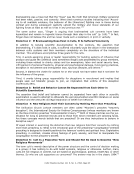
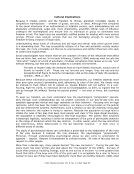
intelligent or unintelligent, but if the person choosing has not been
manipulated or coerced, then he or she is demonstrating autonomy. Our
culture, which exalts the individual above the collective, has a decided
preference for autonomy over obedience or dependency. Although civil order
obviously requires a minimum level of conformity to authority, western
culture has clearly been moving in the direction of greater autonomy and civil
rights for the individual. Respect pays due consideration to autonomy by
requiring that influencers step back and allow individuals to choose according
to their best judgment about what is true and good.
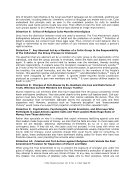
Identity. The statement that the unexamined life is not worth living need
not necessarily be interpreted as the call of the “contemplative wilderness.”
It can be interpreted as an affirmation of psychological identity: people have
the capacity and need to look at and define themselves, however crudely.
Having a name signifies having an identity. But obviously an identity involves
much much more than a name. It involves a sense of individuality, of
belonging to a wider community and culture, and of internal integration.
Multiple personalities are not considered a boon (i.e., five personalities are
not thought to be better than one). They are considered pathological because
internal integration is deemed a good. Similarly, despite our culture‟s
preference for individuality, individuality is not to be carried to such an
extreme that the individual ceases to belong anywhere.
Respect pays due consideration to a person‟s identity. Respecting identity
means treating people as unique beings (rather than forcing them into
predetermined molds), not tampering with their social support systems, and
not interfering with their sense of psychological integration, of wholeness. A
person‟s identity ought not to be treated like a house that can be torn down
and rebuilt. The hypothetical identity that might be, however luminous,
ought always defer to the identity that is, however deficient. This does not
mean that people should not change. It simply means that they should be
respected as they are and that change should be organic, not speciously
“transformational.”
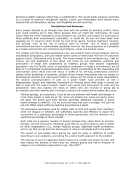
Dignity. Part of the reason that people change, but change reluctantly, is
their need to feel worthwhile, in the eyes of others as well as themselves.
They change to become better than they are (according to their view of the
good), but they change reluctantly in order to defend the worth of the
imperfect self that is. I prefer the term “dignity” to “self-esteem” as the
former more clearly reflects a social dimension than the latter --
psychopaths can have high self-esteem but little dignity.
Respect gives due consideration to a person‟s dignity, a sensitivity to his or
her feelings. We tolerate one another‟s illusions about ourselves because we
all recognize how important feeling worthwhile is. That is why one of the
cruelest actions is to strip persons of their dignity.
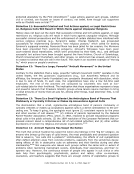
Psychological Abuse
Respecting individuals means honoring mind, autonomy, identity, and dignity. Psychological
abuse, respect‟s opposite, results when one person (or a group of persons) influences
another (or others) so as to:
1. control information in order to manipulate thinking and judgment,
2. manipulate or coerce choice
3. fragment or alter personal identity to serve the influencer‟s interests
intelligent or unintelligent, but if the person choosing has not been
manipulated or coerced, then he or she is demonstrating autonomy. Our
culture, which exalts the individual above the collective, has a decided
preference for autonomy over obedience or dependency. Although civil order
obviously requires a minimum level of conformity to authority, western
culture has clearly been moving in the direction of greater autonomy and civil
rights for the individual. Respect pays due consideration to autonomy by
requiring that influencers step back and allow individuals to choose according
to their best judgment about what is true and good.
Identity. The statement that the unexamined life is not worth living need
not necessarily be interpreted as the call of the “contemplative wilderness.”
It can be interpreted as an affirmation of psychological identity: people have
the capacity and need to look at and define themselves, however crudely.
Having a name signifies having an identity. But obviously an identity involves
much much more than a name. It involves a sense of individuality, of
belonging to a wider community and culture, and of internal integration.
Multiple personalities are not considered a boon (i.e., five personalities are
not thought to be better than one). They are considered pathological because
internal integration is deemed a good. Similarly, despite our culture‟s
preference for individuality, individuality is not to be carried to such an
extreme that the individual ceases to belong anywhere.
Respect pays due consideration to a person‟s identity. Respecting identity
means treating people as unique beings (rather than forcing them into
predetermined molds), not tampering with their social support systems, and
not interfering with their sense of psychological integration, of wholeness. A
person‟s identity ought not to be treated like a house that can be torn down
and rebuilt. The hypothetical identity that might be, however luminous,
ought always defer to the identity that is, however deficient. This does not
mean that people should not change. It simply means that they should be
respected as they are and that change should be organic, not speciously
“transformational.”
Dignity. Part of the reason that people change, but change reluctantly, is
their need to feel worthwhile, in the eyes of others as well as themselves.
They change to become better than they are (according to their view of the
good), but they change reluctantly in order to defend the worth of the
imperfect self that is. I prefer the term “dignity” to “self-esteem” as the
former more clearly reflects a social dimension than the latter --
psychopaths can have high self-esteem but little dignity.
Respect gives due consideration to a person‟s dignity, a sensitivity to his or
her feelings. We tolerate one another‟s illusions about ourselves because we
all recognize how important feeling worthwhile is. That is why one of the
cruelest actions is to strip persons of their dignity.
Psychological Abuse
Respecting individuals means honoring mind, autonomy, identity, and dignity. Psychological
abuse, respect‟s opposite, results when one person (or a group of persons) influences
another (or others) so as to:
1. control information in order to manipulate thinking and judgment,
2. manipulate or coerce choice
3. fragment or alter personal identity to serve the influencer‟s interests