Cultic Studies Journal, Vol. 9, No. 2, 1992, Page 52
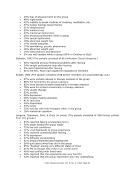
49% fear of physical harm by the group
48% nightmares
42% inability to break rhythms of chanting, meditation, etc.
37% hostile feelings toward family
31% sleeplessness
25% memory loss
22% menstrual dysfunction
20% physical punishment while in group
19% sexual dysfunction
18% abnormal weight loss
17% violent outbursts
17% bewildering, psychic phenomena
16% abnormal weight gain
15% hallucinations and delusions
5% sex with leaders while in group (60% in Children of God)
Galanter, 1983 (The sample consisted of 66 Unification Church dropouts.)
36% reported serious emotional problems after leaving
24% sought professional help after leaving
3% were hospitalized after leaving
61% felt Rev. Moon had negatively impacted on members
Knight, 1986 (The sample consisted of 58 former members of a psychotherapy cult.)
97% were verbally abused in therapy sessions in the group
86% felt harmed by the group exposure
82% were shoved at least occasionally in therapy sessions
78% were hit at least occasionally in therapy sessions
75% sought therapy
52% anxiety
48% depression
48% trouble making decisions
41% confusion
40% disoriented
33% lonely
25% had sex with their therapist when in the group
18% menstrual cessation
Langone, Chambers, Dole, &Grice (in press) (The sample consisted of 308 former cultists
from 101 groups.)
83% reported feeling anxiety/fear/worry
76% anger toward the group leader
72% low self-confidence
71% vivid flashbacks to group experience
70% received counseling after leaving
67% depression
67% difficulty concentrating
61% despair/hopelessness/helplessness
56% guilt about what they did in the group
55% “floating” among very different states of mind
51% felt as though they lived in an unreal world
46% had conflicts with loved ones
44% reported that the experience was very harmful
42% reported that the group experience was very unsatisfying