Cultic Studies Journal, Vol. 9, No. 2, 1992, Page 5
observations and interviews conducted by the first author with members of another group
(Boland, 1989). The evidence and comparisons across categories of behavior are then
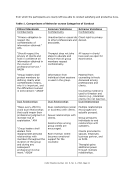
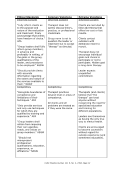
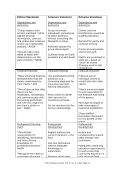
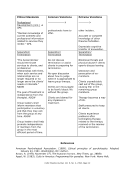
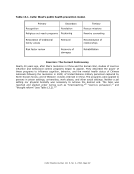
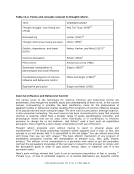
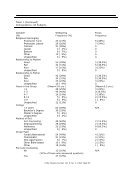
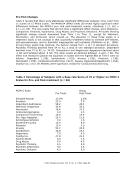
succinctly described. A summary of the information is presented in Table 1 at the end of the
article.
Analyses by Category
Confidentiality
Maintaining confidentiality of client disclosures and safeguarding the privacy of clients are
fundamental standards of conduct across helping professions (APA, 1989 ASGW, 1983
National Association of Social Workers, 1990). Both are backed by social sanctions and legal
protections. In group therapies, special problems of defining and maintaining confidentiality
arise (Kottler, 1982 Lakin, 1986 Roberts, 1982). Common violations include disclosures of
confidential information to outsiders by therapists and group members, discussions of
confidential information among group members outside the group, unauthorized disclosures
of client information to other social service workers and professionals, and “leaks” of
confidential information from individual therapy sessions to group therapy sessions.
Related but distinct issues arise regarding the extent of personal disclosure encouraged or
demanded in individual and group therapy. In group therapy the risks of embarrassment,
rejection, and vulnerability to severe pressures are much greater though they can also exist in
individual psychotherapy. An excessive emphasis on openness can increase this vulnerability.
Therapists, especially those working with groups, are expected to maintain a balance between
encouraging client self-disclosure and providing protection against pressures or tendencies to
engage in too much revelation of personal secrets (Lakin, 1986).
The evidence available indicates that groups labeled as psychotherapy cults violate these
guidelines routinely and pervasively. Observers report that leaders and group members
routinely discuss personal information gathered in both group and individual therapy sessions
with each other and with noninvolved persons (Boland, 1989). These disclosures are reported
to often include information about the leader‟s personal life as well as that of members
(Ofshe, 1976 Temerlin &Temerlin, 1982). This freedom has been described by Ayella (1985)
as attractive, but it has also been described as a source of surveillance (Conason &
McGarrahan, 1986) and the basis for threats of blackmail against an alienated member
(Black, 1975).
Group dynamics are utilized to ensure that the private is made public (Ayella, 1985). The
leader and other group members expect total “openness” or access into all parts of clients‟
lives, and sometimes those of leaders as well (Boland, 1989 Ofshe, 1976 Temerlin &
Temerlin, 1986). This openness then leads to efforts to exert wide areas of control over the
attitudes and behavior of members. Behavior that is not compliant is often viewed as
resistance or a sign of character flaws (Ayella, 1985 Ofshe, 1976 Temerlin &Temerlin,
1982). These behaviors are then targets of “therapy,” with the goal being that the member
would surrender the identified deviance and adhere to group norms (Ofshe, 1976).
Dual Relationships
Ethical codes in mental health professions urge that business, professional, social, or sexual
relationships with clients be avoided (APA, 1989 ASGW, 1983). Clients are to be protected
from having other aspects of their lives affected by the private knowledge gained by a
therapist or therapy group. Therapists are to avoid such conditions so that they do not
develop personal interests that would compromise their commitment to their clients‟
therapeutic welfare.
More complications arise in avoiding harmful dual relationships among group therapy clients
observations and interviews conducted by the first author with members of another group
(Boland, 1989). The evidence and comparisons across categories of behavior are then
succinctly described. A summary of the information is presented in Table 1 at the end of the
article.
Analyses by Category
Confidentiality
Maintaining confidentiality of client disclosures and safeguarding the privacy of clients are
fundamental standards of conduct across helping professions (APA, 1989 ASGW, 1983
National Association of Social Workers, 1990). Both are backed by social sanctions and legal
protections. In group therapies, special problems of defining and maintaining confidentiality
arise (Kottler, 1982 Lakin, 1986 Roberts, 1982). Common violations include disclosures of
confidential information to outsiders by therapists and group members, discussions of
confidential information among group members outside the group, unauthorized disclosures
of client information to other social service workers and professionals, and “leaks” of
confidential information from individual therapy sessions to group therapy sessions.
Related but distinct issues arise regarding the extent of personal disclosure encouraged or
demanded in individual and group therapy. In group therapy the risks of embarrassment,
rejection, and vulnerability to severe pressures are much greater though they can also exist in
individual psychotherapy. An excessive emphasis on openness can increase this vulnerability.
Therapists, especially those working with groups, are expected to maintain a balance between
encouraging client self-disclosure and providing protection against pressures or tendencies to
engage in too much revelation of personal secrets (Lakin, 1986).
The evidence available indicates that groups labeled as psychotherapy cults violate these
guidelines routinely and pervasively. Observers report that leaders and group members
routinely discuss personal information gathered in both group and individual therapy sessions
with each other and with noninvolved persons (Boland, 1989). These disclosures are reported
to often include information about the leader‟s personal life as well as that of members
(Ofshe, 1976 Temerlin &Temerlin, 1982). This freedom has been described by Ayella (1985)
as attractive, but it has also been described as a source of surveillance (Conason &
McGarrahan, 1986) and the basis for threats of blackmail against an alienated member
(Black, 1975).
Group dynamics are utilized to ensure that the private is made public (Ayella, 1985). The
leader and other group members expect total “openness” or access into all parts of clients‟
lives, and sometimes those of leaders as well (Boland, 1989 Ofshe, 1976 Temerlin &
Temerlin, 1986). This openness then leads to efforts to exert wide areas of control over the
attitudes and behavior of members. Behavior that is not compliant is often viewed as
resistance or a sign of character flaws (Ayella, 1985 Ofshe, 1976 Temerlin &Temerlin,
1982). These behaviors are then targets of “therapy,” with the goal being that the member
would surrender the identified deviance and adhere to group norms (Ofshe, 1976).
Dual Relationships
Ethical codes in mental health professions urge that business, professional, social, or sexual
relationships with clients be avoided (APA, 1989 ASGW, 1983). Clients are to be protected
from having other aspects of their lives affected by the private knowledge gained by a
therapist or therapy group. Therapists are to avoid such conditions so that they do not
develop personal interests that would compromise their commitment to their clients‟
therapeutic welfare.
More complications arise in avoiding harmful dual relationships among group therapy clients