Cultic Studies Journal, Vol. 9, No. 2, 1992, Page 2
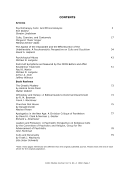
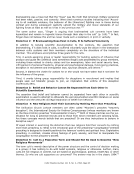
CONTENTS
Articles
Psychotherapy Cults: And Ethical Analysis 3
Kim Boland
Gordon Lindbloom
Cults, Coercion, and Contumely 17
Margaret Thaler Singer
Marsha Emmer Addis
The Appeal of the Impossible and the Efflorescence of the
Unbelievable: A Psychoanalytic Perspective on Cults and Occultism 34
David A. Halperin
Psychological Abuse 43
Michael D. Langone
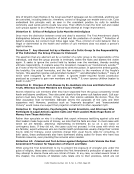
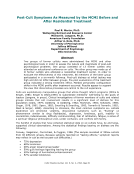
Post-Cult Symptoms as Measured by the MCMI Before and After
Residential Treatment 51
Paul R. Martin
Michael D. Langone
Arthur A. Dole
Jeffrey Wiltrout
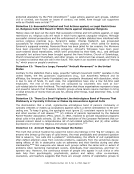
Book Reviews
The Gnostic Mystery 73
by Andrea Grace Diem
Walter Debold
Orthodoxy and Heresy: A Biblical Guide to Doctrinal Discernment 74
by R. M. Bowman
Frank J. MacHovec
Churches that Abuse 75
by Ronald Enroth
Maxine Pinson
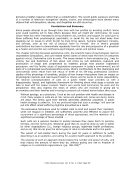
Apologetics in the New Age: A Christian Critique of Pantheism 77
by David K. Clark &Norman L. Geisler
Richard L. Dowhower
Leaders and Followers: A Psychiatric Perspective on Religious Cults
by the Committee of Psychiatry and Religion, Group for the
Advancement of Psychiatry 78
John Hochman
Cults and Personality 79
by Frank J. MacHovec
Lita Linzer Schwartz
*Note: these pages referenced are different than the original published journal. Please check the end of each
article for the original pagination.