Cultic Studies Journal, Vol. 9, No. 2, 1992, Page 66
groups. Yeakley‟s (1988) studies with the Myer-Briggs Type Indicator (MBTI) suggest that
cultists are subjected to great pressures toward conformity. Yet this study, clinical reports
(Ash, 1985 Clark, 1979 Singer, 1979), and Galanter‟s (1983) research strongly suggest
that the level of post-cult distress is quite high. These findings cause Langone to comment:
And yet the majority eventually leave [Barker, 1984]. Why? If they were
unhappy before they joined, became happier after they joined, were
pressured to remain, left anyway, and were more distressed than ever after
leaving, what could have impelled them to leave and to remain apart from the
group?
The inescapable conclusion seems to be that the cult experience is not what it
appears to be (at least for those groups that deem it important to put on a
“happy face”), either to undiscerning observers or to members under the
psychological influence of the group. Clinical observers, beginning with Clark
(1979) and Singer (1978), appear to be correct in their contention that
dissociative defenses help cultists adapt to the contradictory and intense
demands of the cult environment. So long as members are not rebelling
against the group‟s psychological controls, they can appear to be “normal,”
much as a person with multiple personality disorder can sometimes appear to
be “normal.” However, this normal-appearing personality, as West (1992)
maintains, is a pseudopersonality. When cultists leave their group, the flood
gates open up and they suffer. But they don‟t generally return to the cult
because the suffering they experience after leaving the cult is more genuine
than the “happiness” they experienced while in it. A painful truth is better
than a pleasant lie. (Langone, in press)
This study supports the clinical observations indicating that powerful cultic environments
distort personality (or, as West says, create pseudopersonalities) and induce dependency.
The disparity between the benign appearance of many cults and the harsh underlying reality
appears in bold relief when one examines certain individual cases. Subjects in this study
experienced various forms of abuse. Several subjects were repeatedly beaten. Others had
guns held to their head. Some were put on starvation diets. Some adults were held in their
rooms as punishment. Several women were raped. Several leaders, who presented as
“pastors,” “trained” some female subjects to be “good women” or “good wives” by
subjecting them to a program of diverse sexual “exercises,” which included group sex, oral
sex, baring one‟s breasts, intercourse, and, in one case, being urged to have sex with an
animal. One man reported that when he was a boy his pastor told him that God willed that
the boy should please the “pastor” by regularly performing fellatio on him.
Pre-Post Changes
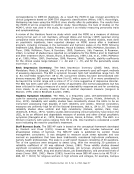
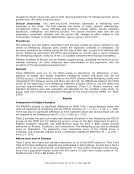
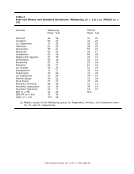
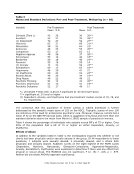
The pre-post MCMI changes in this study further support the contention that dissociation is
central to the cult experience. The striking change in the personality scales and the
improvement in MCMI symptom scales between admission and followup of Wellspring clients
is inconsistent with the hypothesis that post-cult personality profiles and distress levels
reflect long-standing, pre-cult psychological difficulties. Treatment evaluation studies using
the MCMI simply do not indicate both marked personality changes and marked symptom
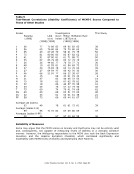
reduction. Indeed, this study reported the lowest test-retest correlations of any treatment
study using the MCMI. Rather than concluding that Wellspring‟s treatment program is
miraculous, or that the MCMI scales are very unstable, we conclude that the admission
personality profile and distress level do not, in a general sense, reflect longstanding
personality traits.
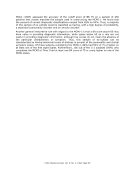
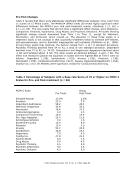
On the personality scales of the MCMI, a majority of Wellspring clients have Dependent as
the highest or second highest personality scale. Thirty-two of 66 (48.4%) clients had
groups. Yeakley‟s (1988) studies with the Myer-Briggs Type Indicator (MBTI) suggest that
cultists are subjected to great pressures toward conformity. Yet this study, clinical reports
(Ash, 1985 Clark, 1979 Singer, 1979), and Galanter‟s (1983) research strongly suggest
that the level of post-cult distress is quite high. These findings cause Langone to comment:
And yet the majority eventually leave [Barker, 1984]. Why? If they were
unhappy before they joined, became happier after they joined, were
pressured to remain, left anyway, and were more distressed than ever after
leaving, what could have impelled them to leave and to remain apart from the
group?
The inescapable conclusion seems to be that the cult experience is not what it
appears to be (at least for those groups that deem it important to put on a
“happy face”), either to undiscerning observers or to members under the
psychological influence of the group. Clinical observers, beginning with Clark
(1979) and Singer (1978), appear to be correct in their contention that
dissociative defenses help cultists adapt to the contradictory and intense
demands of the cult environment. So long as members are not rebelling
against the group‟s psychological controls, they can appear to be “normal,”
much as a person with multiple personality disorder can sometimes appear to
be “normal.” However, this normal-appearing personality, as West (1992)
maintains, is a pseudopersonality. When cultists leave their group, the flood
gates open up and they suffer. But they don‟t generally return to the cult
because the suffering they experience after leaving the cult is more genuine
than the “happiness” they experienced while in it. A painful truth is better
than a pleasant lie. (Langone, in press)
This study supports the clinical observations indicating that powerful cultic environments
distort personality (or, as West says, create pseudopersonalities) and induce dependency.
The disparity between the benign appearance of many cults and the harsh underlying reality
appears in bold relief when one examines certain individual cases. Subjects in this study
experienced various forms of abuse. Several subjects were repeatedly beaten. Others had
guns held to their head. Some were put on starvation diets. Some adults were held in their
rooms as punishment. Several women were raped. Several leaders, who presented as
“pastors,” “trained” some female subjects to be “good women” or “good wives” by
subjecting them to a program of diverse sexual “exercises,” which included group sex, oral
sex, baring one‟s breasts, intercourse, and, in one case, being urged to have sex with an
animal. One man reported that when he was a boy his pastor told him that God willed that
the boy should please the “pastor” by regularly performing fellatio on him.
Pre-Post Changes
The pre-post MCMI changes in this study further support the contention that dissociation is
central to the cult experience. The striking change in the personality scales and the
improvement in MCMI symptom scales between admission and followup of Wellspring clients
is inconsistent with the hypothesis that post-cult personality profiles and distress levels
reflect long-standing, pre-cult psychological difficulties. Treatment evaluation studies using
the MCMI simply do not indicate both marked personality changes and marked symptom
reduction. Indeed, this study reported the lowest test-retest correlations of any treatment
study using the MCMI. Rather than concluding that Wellspring‟s treatment program is
miraculous, or that the MCMI scales are very unstable, we conclude that the admission
personality profile and distress level do not, in a general sense, reflect longstanding
personality traits.
On the personality scales of the MCMI, a majority of Wellspring clients have Dependent as
the highest or second highest personality scale. Thirty-two of 66 (48.4%) clients had