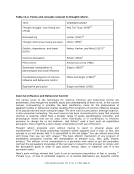
Cultic Studies Journal, Vol. 9, No. 2, 1992, Page 29
Notes
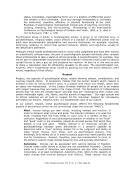
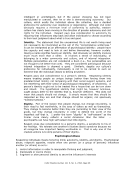
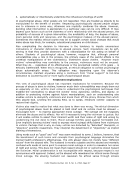
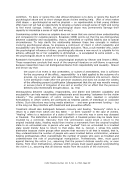
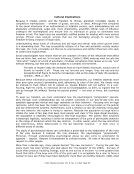
1 The preceding definition owes much of its heritage to Robert J. Lifton and Edgar H.
Schein, whose seminal reports of thought reform and coercive persuasion in China2,3
helped us explicate the social and psychological processes used in modern destructive
cults. In fact, Lifton has applied his concept of ideological totalism to some cult
situations.4
2 **The body of literature from the 1950s and 1960s on the effects of thought reform
programs on civilian and military populations both inside and outside of prison
settings is voluminous. Readers are referred to the works of Albert D. Biderman,50
Lawrence E. Hinkle3, Robert J. Lifton2, Edgar Schein3, Julius Segal3, Margaret Thaler
Singer89, Martin K. Whyte3, and Harold Wolfe.3
3 ***Many of these cases are settled out of court in favor of the plaintiff. As a condition for
payment of damages by the defendant group to the plaintiff, groups often insist that the
court records be sealed. Thus, the general public is unaware of the extent to which ex-cult
members have been awarded damages as compensation for harm they suffered from their
involvement in totalist groups.
4 ****As noted in this chapter and elsewhere,59-63 others who have bravely spoken out about
the dangers of totalistic groups have also been recipients of deceptions, distortions of fact,
and dissimulations, all designed to discredit them.
5 *****In 1968 and again in 1970, the Church of Scientology issued a new order stating
that “Fair Game” would no longer appear on any written policy documents. However,
some believe that the “Fair Game” policy appears to continue as a means to suppress
criticism of the church. As recently as 1984 and 1989, justices in U.S. and London courts
ruled that “Fair Game” practices had been applied to plaintiffs in cases that appeared
before them.63
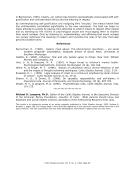
References
1. American Family Foundation. Cultism A Conference for Scholars and Policy Makers.
Weston, Mass: American Family Foundation 1985.
2. Lifton RJ. Thought Reform and the Psychology of Totalism: A Study of Brainwashing in
Red China. New York: WW Norton 1963.
3. Schein EH. Coercive Persuasion. New York: WW Norton 1961.
4. Lifton RJ. The Future of Immortality and Other Essays for a Nuclear Age. New York: Basic
Books 1987:15.
5. West LJ, Greenblatt M, eds. Explorations in the Physiology of Emotions. Psychiatric
Research Report No. 12. Washington, DC: American Psychiatric Association 1960.
6. West LJ, Niell KC, Hardy JD. Effects of hypnotic suggestions on pain perception and
galvanic skin response. AMA Arch Neurol Psychiat. 1952 68:549-560.
7. West LJ, Farber IE. The role of pain in emotional development. In: West LJ, Greenblatt M,
eds. Explorations in the Physiology of Emotions. Psychiatric Research Report No. 12.
Washington, DC American Psychiatric Association 1960:119-126.
8. West LJ, Coburn K. Posttraumatic anxiety. In: Pasnau RO, ed. Diagnosis and Treatment of
Anxiety Disorders. Washington, DC: American Psychiatric Press 1984:79-113.
9. West LJ. Distinguishing normal fears from abnormal anxiety. J Clin Psychiatry. 1988
October suppl:5-6.
10. West LJ. Psychophysiology of hypnosis. JAMA. 1960 172:672-675.
11. West LJ. Sensory isolation. In: Deutsch A, ed. The Encyclopedia of Mental Health. New
York: Franklin Watts 1963 5:1886-1895.
12. West LJ, Deckert GH. Dangers of hypnosis. JAMA.1963 192:912.
Notes
1 The preceding definition owes much of its heritage to Robert J. Lifton and Edgar H.
Schein, whose seminal reports of thought reform and coercive persuasion in China2,3
helped us explicate the social and psychological processes used in modern destructive
cults. In fact, Lifton has applied his concept of ideological totalism to some cult
situations.4
2 **The body of literature from the 1950s and 1960s on the effects of thought reform
programs on civilian and military populations both inside and outside of prison
settings is voluminous. Readers are referred to the works of Albert D. Biderman,50
Lawrence E. Hinkle3, Robert J. Lifton2, Edgar Schein3, Julius Segal3, Margaret Thaler
Singer89, Martin K. Whyte3, and Harold Wolfe.3
3 ***Many of these cases are settled out of court in favor of the plaintiff. As a condition for
payment of damages by the defendant group to the plaintiff, groups often insist that the
court records be sealed. Thus, the general public is unaware of the extent to which ex-cult
members have been awarded damages as compensation for harm they suffered from their
involvement in totalist groups.
4 ****As noted in this chapter and elsewhere,59-63 others who have bravely spoken out about
the dangers of totalistic groups have also been recipients of deceptions, distortions of fact,
and dissimulations, all designed to discredit them.
5 *****In 1968 and again in 1970, the Church of Scientology issued a new order stating
that “Fair Game” would no longer appear on any written policy documents. However,
some believe that the “Fair Game” policy appears to continue as a means to suppress
criticism of the church. As recently as 1984 and 1989, justices in U.S. and London courts
ruled that “Fair Game” practices had been applied to plaintiffs in cases that appeared
before them.63
References
1. American Family Foundation. Cultism A Conference for Scholars and Policy Makers.
Weston, Mass: American Family Foundation 1985.
2. Lifton RJ. Thought Reform and the Psychology of Totalism: A Study of Brainwashing in
Red China. New York: WW Norton 1963.
3. Schein EH. Coercive Persuasion. New York: WW Norton 1961.
4. Lifton RJ. The Future of Immortality and Other Essays for a Nuclear Age. New York: Basic
Books 1987:15.
5. West LJ, Greenblatt M, eds. Explorations in the Physiology of Emotions. Psychiatric
Research Report No. 12. Washington, DC: American Psychiatric Association 1960.
6. West LJ, Niell KC, Hardy JD. Effects of hypnotic suggestions on pain perception and
galvanic skin response. AMA Arch Neurol Psychiat. 1952 68:549-560.
7. West LJ, Farber IE. The role of pain in emotional development. In: West LJ, Greenblatt M,
eds. Explorations in the Physiology of Emotions. Psychiatric Research Report No. 12.
Washington, DC American Psychiatric Association 1960:119-126.
8. West LJ, Coburn K. Posttraumatic anxiety. In: Pasnau RO, ed. Diagnosis and Treatment of
Anxiety Disorders. Washington, DC: American Psychiatric Press 1984:79-113.
9. West LJ. Distinguishing normal fears from abnormal anxiety. J Clin Psychiatry. 1988
October suppl:5-6.
10. West LJ. Psychophysiology of hypnosis. JAMA. 1960 172:672-675.
11. West LJ. Sensory isolation. In: Deutsch A, ed. The Encyclopedia of Mental Health. New
York: Franklin Watts 1963 5:1886-1895.
12. West LJ, Deckert GH. Dangers of hypnosis. JAMA.1963 192:912.