Cultic Studies Journal, Vol. 9, No. 2, 1992, Page 54
1. examine the nature and level of distress in former cult members
2. evaluate changes in distress variables occurring between initiation of a post-cult
residential treatment intervention and a six-month follow-up
A future report will examine the question of whether distress is related to other factors, in
particular certain demographics, pre-cult experiences with parents, pre-cult indicators of
psychopathology, mode of exit from the group, and physical and/or sexual coercion within
the group.
Methods
Sample
Two groups of subjects were studied. Group one consisted of Ill clients of Wellspring Retreat
and Resource Center. Wellspring provides a “bed-and-breakfast” type of setting where
clients receive daily outpatient counseling and workshops. Referrals come from cult
educational organizations throughout the world, pastors and mental health professionals, as
well as a significant number of self-referrals. Clients enter voluntarily and are free to leave
at any time.
Group two consisted of 13 former cultists who attended an educational workshop sponsored
by FOCUS, a support organization for ex-cultists.
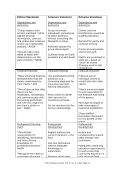
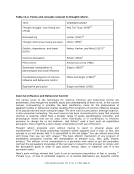
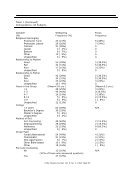
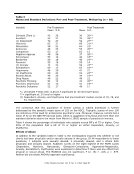
Demographic data on the two groups are provided in Table 1.
Table I
Demographics -All Subjects
Variable Wellspring Focus
Frequency (%)Frequency (%)
Sex
Male 44 (40%) 8 (62%)
Female 67 (60%) 5 (38%)
Marital Status
Single 87 (79%) 6 (46%)
Married 17 (15%) 6 (46%)
Divorced 6 (5%) 1 (8%)
Unspecified 1 (1%) 0
Race
Caucasian 104 (94%) 13 (100%)
Asian 4 (4%) 0 (0%)
Unknown/other 3 (3%) 0 (0%)
Age (Mean=26.6) (Mean=29.8)
14 1 (1%) 0
14-18 9 (8%) 0
19-25 53 (48%) 3 (23%)
26-35 35 (31%) 8 (62%)
36-50 8 (7%) 2 (15%)
50+ 2 (2%) 0
Unspecified 3 (3%) 0
1. examine the nature and level of distress in former cult members
2. evaluate changes in distress variables occurring between initiation of a post-cult
residential treatment intervention and a six-month follow-up
A future report will examine the question of whether distress is related to other factors, in
particular certain demographics, pre-cult experiences with parents, pre-cult indicators of
psychopathology, mode of exit from the group, and physical and/or sexual coercion within
the group.
Methods
Sample
Two groups of subjects were studied. Group one consisted of Ill clients of Wellspring Retreat
and Resource Center. Wellspring provides a “bed-and-breakfast” type of setting where
clients receive daily outpatient counseling and workshops. Referrals come from cult
educational organizations throughout the world, pastors and mental health professionals, as
well as a significant number of self-referrals. Clients enter voluntarily and are free to leave
at any time.
Group two consisted of 13 former cultists who attended an educational workshop sponsored
by FOCUS, a support organization for ex-cultists.
Demographic data on the two groups are provided in Table 1.
Table I
Demographics -All Subjects
Variable Wellspring Focus
Frequency (%)Frequency (%)
Sex
Male 44 (40%) 8 (62%)
Female 67 (60%) 5 (38%)
Marital Status
Single 87 (79%) 6 (46%)
Married 17 (15%) 6 (46%)
Divorced 6 (5%) 1 (8%)
Unspecified 1 (1%) 0
Race
Caucasian 104 (94%) 13 (100%)
Asian 4 (4%) 0 (0%)
Unknown/other 3 (3%) 0 (0%)
Age (Mean=26.6) (Mean=29.8)
14 1 (1%) 0
14-18 9 (8%) 0
19-25 53 (48%) 3 (23%)
26-35 35 (31%) 8 (62%)
36-50 8 (7%) 2 (15%)
50+ 2 (2%) 0
Unspecified 3 (3%) 0