Cultic Studies Journal, Vol. 9, No. 2, 1992, Page 4
making them compliant servants, depriving them of independent judgment, separating them
from family and friends, and exploiting them financially and otherwise. These practices
challenge respect for individual autonomy which is a fundamental value in Western culture
and, as such, is a touchstone of ethical codes in all professions.
The first analysis of a group termed a “psychotherapy cult” was provided by Bainbridge
(1978). In Satan’s Power: A Deviant Psychotherapy Cult, he chronicled the evolution of a
group that began by providing low-cost mental health services and evolved over 12 years into
a fringe religious movement. Temerlin and Temerlin (1982, 1986) provided the first critical
analysis of the practices of several groups. Their synthesis of characteristic practices and
ethos was based on their clinical work with former members of five different groups that they
described as psychotherapy cults. Hochman (1984) outlined the theory, practices, and
casualties of a group in California that he referred to as a “therapy cult.” Ayella (1985) wrote
a doctoral dissertation analyzing the practices of the same group and comparing them to
other groups that she identified as psychotherapy cults.
The essential characteristics of these groups were described variously. Appel wrote that
“therapeutic cults frame the salvation they offer in psychological terms, as personal liberation
or cure” (1983, p. 19). The Temerlins summarized their analyses in the following way:
These cults were an iatrogenic perversion of therapy because the character problems
their patients brought to therapy were not worked through, but were replaced in
consciousness by a “true believing” acceptance of their therapists‟ theories, selfless
devotion to their therapists‟ welfare, unrecognized depression, and paranoid attitudes
toward nonbelieving professionals. (Temerlin &Temerlin, 1982, p. 132)
Based on the descriptions available, the central features of the groups whose practices are
under scrutiny here can be defined in at least a minimal way. They include (a) the use of
psychotherapy language and concepts to offer help (b) a predominant emphasis on working
in a group (c) the appearance and claim of competent professional leadership (d) the
elevation of a leader to charismatic status and idealization by members (e) self-sacrifice by
members on behalf of the leader and group (f) the development of a strong group identity
that separates them from other associations, groups, and professionals and (g) the develop-
ment of strong pressures for conformity and submission to the norms and practices of the
group.
Method
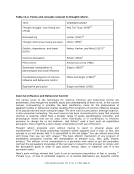
Existing studies of groups described by their observers as psychotherapy cults vary from
ethnographic analyses to journalistic accounts. Their lack of a common framework of analysis
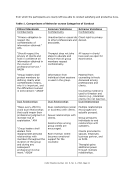
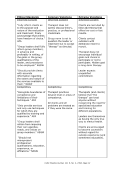
limits comparisons and generalizations. For this study, we used eight categories of conduct in
mental health practice that are cited in ethical codes or derive from them (American
Psychological Association, 1989 Association for Specialists in Group Work, 1983 Corey,
Corey, &Callahan, 1988 Keith-Spiegel &Koocher, 1985). These categories include
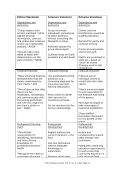
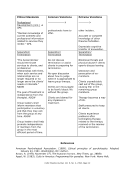
confidentiality, dual relationships, informed consent, professional competency, dependency
and autonomy, financial practices, professional development, and separation/termination. In
each of these categories accepted standards of behavior are first compared with deviations
frequently cited in the literature on individual and group therapy then, practices reported in
the literature on groups described as psychotherapy cults are identified and briefly discussed.
Evidence about the conduct of these groups in each area under scrutiny was drawn from
information available in both popular and professional publications on three extinct groups
that have been labeled as psychotherapy cults. They are Synanon, Center for Feeling
Therapy, and Compulsions Analysis. In addition, written material on another group currently
operating has been analyzed. The post-hoc, second-hand analyses of five groups provided by
Temerlin and Temerlin (1982, 1986) were used. Further evidence was drawn from
making them compliant servants, depriving them of independent judgment, separating them
from family and friends, and exploiting them financially and otherwise. These practices
challenge respect for individual autonomy which is a fundamental value in Western culture
and, as such, is a touchstone of ethical codes in all professions.
The first analysis of a group termed a “psychotherapy cult” was provided by Bainbridge
(1978). In Satan’s Power: A Deviant Psychotherapy Cult, he chronicled the evolution of a
group that began by providing low-cost mental health services and evolved over 12 years into
a fringe religious movement. Temerlin and Temerlin (1982, 1986) provided the first critical
analysis of the practices of several groups. Their synthesis of characteristic practices and
ethos was based on their clinical work with former members of five different groups that they
described as psychotherapy cults. Hochman (1984) outlined the theory, practices, and
casualties of a group in California that he referred to as a “therapy cult.” Ayella (1985) wrote
a doctoral dissertation analyzing the practices of the same group and comparing them to
other groups that she identified as psychotherapy cults.
The essential characteristics of these groups were described variously. Appel wrote that
“therapeutic cults frame the salvation they offer in psychological terms, as personal liberation
or cure” (1983, p. 19). The Temerlins summarized their analyses in the following way:
These cults were an iatrogenic perversion of therapy because the character problems
their patients brought to therapy were not worked through, but were replaced in
consciousness by a “true believing” acceptance of their therapists‟ theories, selfless
devotion to their therapists‟ welfare, unrecognized depression, and paranoid attitudes
toward nonbelieving professionals. (Temerlin &Temerlin, 1982, p. 132)
Based on the descriptions available, the central features of the groups whose practices are
under scrutiny here can be defined in at least a minimal way. They include (a) the use of
psychotherapy language and concepts to offer help (b) a predominant emphasis on working
in a group (c) the appearance and claim of competent professional leadership (d) the
elevation of a leader to charismatic status and idealization by members (e) self-sacrifice by
members on behalf of the leader and group (f) the development of a strong group identity
that separates them from other associations, groups, and professionals and (g) the develop-
ment of strong pressures for conformity and submission to the norms and practices of the
group.
Method
Existing studies of groups described by their observers as psychotherapy cults vary from
ethnographic analyses to journalistic accounts. Their lack of a common framework of analysis
limits comparisons and generalizations. For this study, we used eight categories of conduct in
mental health practice that are cited in ethical codes or derive from them (American
Psychological Association, 1989 Association for Specialists in Group Work, 1983 Corey,
Corey, &Callahan, 1988 Keith-Spiegel &Koocher, 1985). These categories include
confidentiality, dual relationships, informed consent, professional competency, dependency
and autonomy, financial practices, professional development, and separation/termination. In
each of these categories accepted standards of behavior are first compared with deviations
frequently cited in the literature on individual and group therapy then, practices reported in
the literature on groups described as psychotherapy cults are identified and briefly discussed.
Evidence about the conduct of these groups in each area under scrutiny was drawn from
information available in both popular and professional publications on three extinct groups
that have been labeled as psychotherapy cults. They are Synanon, Center for Feeling
Therapy, and Compulsions Analysis. In addition, written material on another group currently
operating has been analyzed. The post-hoc, second-hand analyses of five groups provided by
Temerlin and Temerlin (1982, 1986) were used. Further evidence was drawn from