Cultic Studies Journal, Vol. 9, No. 2, 1992, Page 69
Future Research
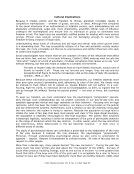
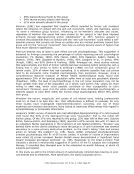
That the FOCUS group exhibited as much distress as the Wellspring group at Time I
suggests that the need for treatment among ex-members may be greater than most people
realize. It is possible, of course, that the FOCUS group may not he representative of ex-
members who don‟t receive treatment and that Wellspring clients may turn out to be more
distressed than other ex-cultists. On the other hand, ex-cultists who do not receive an
intense educational-therapeutic intervention as occurs at Wellspring may not be able to
recover as rapidly and as thoroughly as Wellspring clients. Longitudinal studies of ex-cultists
from a variety of groups and exposed to various treatments, as well as no treatment, must
be conducted.
The field could also benefit from longitudinal studies (using the measures of this study) that
examine changing distress levels during cultists‟ time in and out of the cult. Pre-cult studies
would also be very useful, although these may be extremely difficult to conduct. It win also
be useful to conduct studies over time of various ex-cultist populations exposed to different
amounts and kinds of treatment, for example, walkaways with no treatment vs. exit
counseled subjects with no treatment vs. exit counseled subjects with treatment, etc.
Researchers should also explore the differential effectiveness of various components of the
Wellspring program, for example, two weeks of peace and quite in the woods, intensive
psychotherapy over a two-week period, didactic groups, etc.
It would also be useful to compare subjects participating in various treatment activities, for
example, unstructured ex-member support groups, didactic seminars on thought reform,
individual psychotherapy with therapists who do not address thought reform issues, and
psychotherapy with cult-aware psychotherapists.
A followup to the current study will examine how certain variables (e.g., pre-cult counseling,
years in cult) relate to MCMI scales and other measures. Is there, for example, a
relationship between level of dependency and time spent in a cult?
Although this study has produced intriguing findings, it is just a beginning. We know much
more than we did 10 years ago. But we still have much to learn.
References
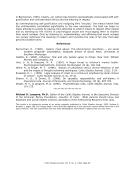
Ash, S. (1985). Cult-induced psychopathology, part I: Clinical picture. Cultic Studies
Journal, 2(l), 31-91.
Barker, E. (1984). The Making of a Moonie: Choice or brainwashing? Oxford: Basil
Blackwell.
Beck, A. T., Ward, C. H., Mendelson, M., Mock, J., &Erbaugh, J. (1961). An inventory for
measuring depression. Archives of General Psychiatry, 4, 561-571.
Beckham, E. E., &Leber, W. R. (Eds.). (1985). Handbook of depression: Treatment,
assessment, and research. Homewood, IL: Dorsey Press.
Choca, J., Shanley, L. &Van Denberg, E. (1992). Interpretive guide to the Millon Clinical
Multiaxial Inventory. Washington, DC: American Psychological Association.
Clark, J. G. (1979). Cults. Journal of the American Medical Association, 242, 279-281.
Conway, F., Siegelman, J. H., Carmichael, C. W., &Coggins, 1. (1986). Information
disease: Effects of covert induction and deprogramming. Update: A Journal of New
Religious Movements, 10, 45-57.
Derogatis, L. R., Lipman, R. S., Rickels, K., Uhlenhuth, E. H., Covi, L. (1974). The Hopkins
Symptom Checklist (H Sc L): A self-report symptom inventory. Behavioral Science,
19(l), 1-15.
Dubrow Eichel, S. K., Dubrow Eichel, L., &Eisenberg, R. C. (1984). Mental health
intervention in cult-related cases: Preliminary investigation of outcomes. Cultic
Studies Journal, ](2), 156-166.
Future Research
That the FOCUS group exhibited as much distress as the Wellspring group at Time I
suggests that the need for treatment among ex-members may be greater than most people
realize. It is possible, of course, that the FOCUS group may not he representative of ex-
members who don‟t receive treatment and that Wellspring clients may turn out to be more
distressed than other ex-cultists. On the other hand, ex-cultists who do not receive an
intense educational-therapeutic intervention as occurs at Wellspring may not be able to
recover as rapidly and as thoroughly as Wellspring clients. Longitudinal studies of ex-cultists
from a variety of groups and exposed to various treatments, as well as no treatment, must
be conducted.
The field could also benefit from longitudinal studies (using the measures of this study) that
examine changing distress levels during cultists‟ time in and out of the cult. Pre-cult studies
would also be very useful, although these may be extremely difficult to conduct. It win also
be useful to conduct studies over time of various ex-cultist populations exposed to different
amounts and kinds of treatment, for example, walkaways with no treatment vs. exit
counseled subjects with no treatment vs. exit counseled subjects with treatment, etc.
Researchers should also explore the differential effectiveness of various components of the
Wellspring program, for example, two weeks of peace and quite in the woods, intensive
psychotherapy over a two-week period, didactic groups, etc.
It would also be useful to compare subjects participating in various treatment activities, for
example, unstructured ex-member support groups, didactic seminars on thought reform,
individual psychotherapy with therapists who do not address thought reform issues, and
psychotherapy with cult-aware psychotherapists.
A followup to the current study will examine how certain variables (e.g., pre-cult counseling,
years in cult) relate to MCMI scales and other measures. Is there, for example, a
relationship between level of dependency and time spent in a cult?
Although this study has produced intriguing findings, it is just a beginning. We know much
more than we did 10 years ago. But we still have much to learn.
References
Ash, S. (1985). Cult-induced psychopathology, part I: Clinical picture. Cultic Studies
Journal, 2(l), 31-91.
Barker, E. (1984). The Making of a Moonie: Choice or brainwashing? Oxford: Basil
Blackwell.
Beck, A. T., Ward, C. H., Mendelson, M., Mock, J., &Erbaugh, J. (1961). An inventory for
measuring depression. Archives of General Psychiatry, 4, 561-571.
Beckham, E. E., &Leber, W. R. (Eds.). (1985). Handbook of depression: Treatment,
assessment, and research. Homewood, IL: Dorsey Press.
Choca, J., Shanley, L. &Van Denberg, E. (1992). Interpretive guide to the Millon Clinical
Multiaxial Inventory. Washington, DC: American Psychological Association.
Clark, J. G. (1979). Cults. Journal of the American Medical Association, 242, 279-281.
Conway, F., Siegelman, J. H., Carmichael, C. W., &Coggins, 1. (1986). Information
disease: Effects of covert induction and deprogramming. Update: A Journal of New
Religious Movements, 10, 45-57.
Derogatis, L. R., Lipman, R. S., Rickels, K., Uhlenhuth, E. H., Covi, L. (1974). The Hopkins
Symptom Checklist (H Sc L): A self-report symptom inventory. Behavioral Science,
19(l), 1-15.
Dubrow Eichel, S. K., Dubrow Eichel, L., &Eisenberg, R. C. (1984). Mental health
intervention in cult-related cases: Preliminary investigation of outcomes. Cultic
Studies Journal, ](2), 156-166.