Cultic Studies Journal, Vol. 9, No. 2, 1992, Page 61
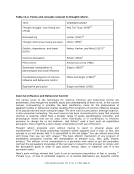
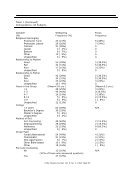
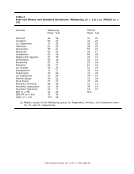
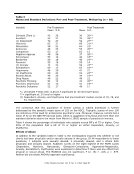
Table 3
Means and Standard Deviations: Pre- and Post-Treatment, Wellspring (n =66)
Variable Pre-Treatment Post Treatment
Mean S.D. Mean S.D.
Schizoid (Time 1) 43 26 30 20**
Avoidant 52 27 35 26**
(1) Dependent 72 27 52 27**
Histrionic 62 27 69 21**
Narcissistic 58 21 64 21*
Antisocial 46 23 53 20**
Compulsive 63 17 65 13
Negative Aggress 48 28 37 26**
Schizotypal 53 14 44 18**
Borderline 59 18 48 19**
Paranoid 55 18 55 14
(1) Anxiety 74 22 59 24**
Somatoform 69 17 62 16**
Hypomania 46 29 41 27
(1) Dysthymia 69 24 55 24**
Alcohol Abuse 49 20 34 19**
Drug Abuse 48 22 48 21
Psychotic Thinking 54 12 42 20**
Psychotic Depression 51 15 41 19**
Psychotic Delusions 52 17 48 17
*=Univariate F-tests with (1,65) D.F.significant at .05 level (pre-post)
**=significant at .01 level or higher
(1) Dependent, Anxiety, and Dysthymia had pre-treatment median scores of 79, 78, and
73, respectively
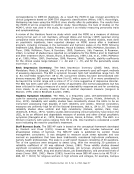
The contention that this population of former cultists is indeed distressed is further
buttressed by the sample‟s mean score of 102 on the HSCL. Typically, scores of over 100
are indicative of the need for professional psychiatric care. Moreover, these ex-cultists had a
mean of 72 on the SBS-HP burnout scale, which is suggestive of burnout and more than one
standard deviation above the mean from Martin‟s (1983) sample of parachurch workers.
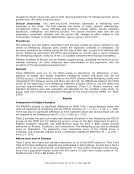
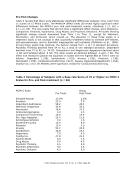
Table 4 shows the percentage of individuals who actually scored BR‟s of 75 or higher. Over
50% of the population had a ER of 75 or higher on either Dependent, Anxiety, or
Dysthymia.
Effects of Abuse
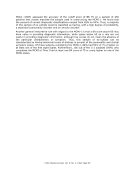
In addition to the variables listed in Table 4, the investigators inquired into whether or not
clients had been physically and/or sexually abused in the group. Of 54 respondents to these
questions, 7 subjects were sexually abused, 5 physically abused, and 5 others both
physically and sexually abused. Subjects‟ scores on the eight highest of the MCMI scales
(Dependent, Histrionic, Narcissistic, Obsessive-Compulsive, Aggressive-Negativistic,
Anxiety, Somatoform, Dysthymia) were examined to determine if there was any effect from
physical or sexual abuse. The MANOVA was not significant, F (2, 16) =.416, p .975.
Neither did univariate ANOVAs approach significance.
Table 3
Means and Standard Deviations: Pre- and Post-Treatment, Wellspring (n =66)
Variable Pre-Treatment Post Treatment
Mean S.D. Mean S.D.
Schizoid (Time 1) 43 26 30 20**
Avoidant 52 27 35 26**
(1) Dependent 72 27 52 27**
Histrionic 62 27 69 21**
Narcissistic 58 21 64 21*
Antisocial 46 23 53 20**
Compulsive 63 17 65 13
Negative Aggress 48 28 37 26**
Schizotypal 53 14 44 18**
Borderline 59 18 48 19**
Paranoid 55 18 55 14
(1) Anxiety 74 22 59 24**
Somatoform 69 17 62 16**
Hypomania 46 29 41 27
(1) Dysthymia 69 24 55 24**
Alcohol Abuse 49 20 34 19**
Drug Abuse 48 22 48 21
Psychotic Thinking 54 12 42 20**
Psychotic Depression 51 15 41 19**
Psychotic Delusions 52 17 48 17
*=Univariate F-tests with (1,65) D.F.significant at .05 level (pre-post)
**=significant at .01 level or higher
(1) Dependent, Anxiety, and Dysthymia had pre-treatment median scores of 79, 78, and
73, respectively
The contention that this population of former cultists is indeed distressed is further
buttressed by the sample‟s mean score of 102 on the HSCL. Typically, scores of over 100
are indicative of the need for professional psychiatric care. Moreover, these ex-cultists had a
mean of 72 on the SBS-HP burnout scale, which is suggestive of burnout and more than one
standard deviation above the mean from Martin‟s (1983) sample of parachurch workers.
Table 4 shows the percentage of individuals who actually scored BR‟s of 75 or higher. Over
50% of the population had a ER of 75 or higher on either Dependent, Anxiety, or
Dysthymia.
Effects of Abuse
In addition to the variables listed in Table 4, the investigators inquired into whether or not
clients had been physically and/or sexually abused in the group. Of 54 respondents to these
questions, 7 subjects were sexually abused, 5 physically abused, and 5 others both
physically and sexually abused. Subjects‟ scores on the eight highest of the MCMI scales
(Dependent, Histrionic, Narcissistic, Obsessive-Compulsive, Aggressive-Negativistic,
Anxiety, Somatoform, Dysthymia) were examined to determine if there was any effect from
physical or sexual abuse. The MANOVA was not significant, F (2, 16) =.416, p .975.
Neither did univariate ANOVAs approach significance.