Cultic Studies Journal, Vol. 9, No. 2, 1992, Page 12
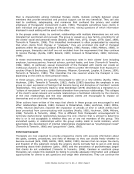
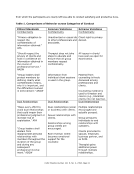
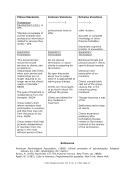
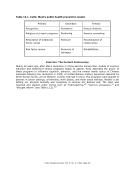
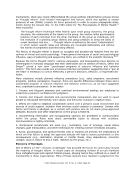
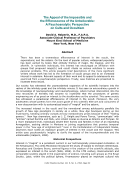
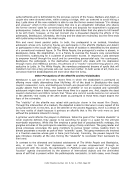
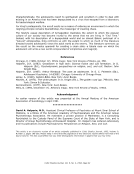
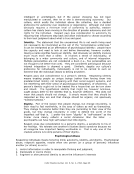
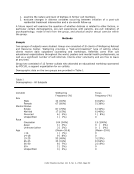
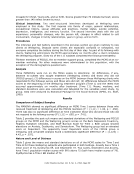
Ethical Standards
Informed Consent
“Fully inform clients as
to the purpose and
nature of the evaluation
and treatment freely
acknowledge that clients
have freedom of choice.”
APA
“Group leaders shall fully
inform group members,
in advance and
preferably in writing, of
the goals in the group,
qualifications of the
leader, and procedures
to be employed.” ASGW
“Should provide clients
with accurate
information regarding
the extent and nature of
the services available to
them.” NASW
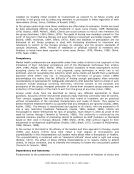
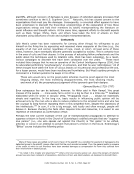
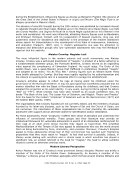
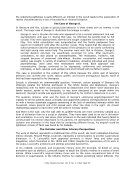
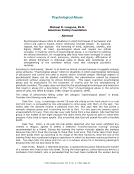
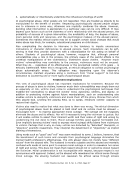
Common Violations
Informed Consent
Therapist does not
openly discuss theory,
practice, or professional
credentials.
Group norm is not to
question the leader or
treatment but to accept
“therapy” as directed.
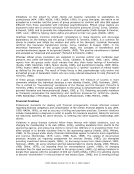
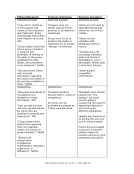
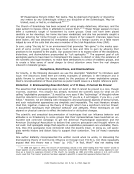
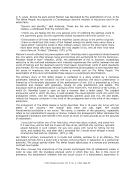
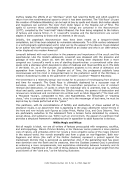
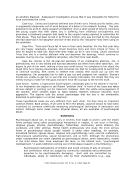
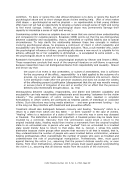
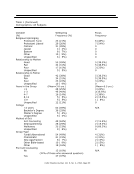
Extreme Violations
Informed Consent
Clients are recruited by
false advertising that
offers low cost or fast
results.
Clients contact
outsiders with
deliberate intent to
recruit.
Therapist does not
encourage individual
goals and choice to
participate or not to
participate. Hidden goal
is long-term therapy.
Leader expects
unqualified
commitment.
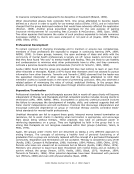
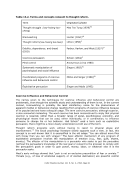
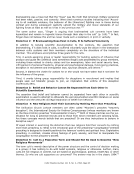
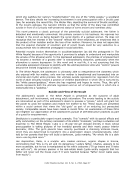
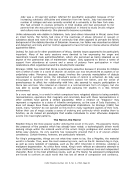
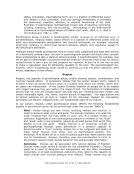
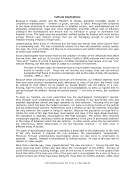
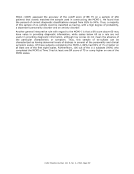
Competency
“Recognize boundaries of
competence and
limitations of their
techniques.” APA
“Only provide services
and only use techniques
for which they are
qualified by training and
experience.” APA
“Group leaders shall
refrain from imposing
their own agendas,
needs, and values on
group members.” ASGW
“Should not
misrepresent
professional
qualifications, education,
experience, or
affiliations.” NASW
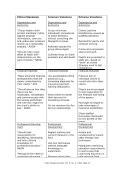
Competency
Therapist practices
beyond level or areas of
competence.
All clients and all
problems are treated as
if they were the same.
Competency
Therapists (and clients)
believe that “the
therapy” can treat
anyone without
recognizing the need for
specialized education
and training for
different populations.
Leaders see themselves
as having the only true
way to mental health.
Clients are encouraged
to become counselors
without regard for
outside experience (and
sometimes education).