Cultic Studies Journal, Vol. 9, No. 2, 1992, Page 42
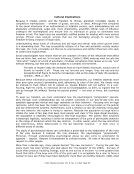
Characteristically, the adolescents resort to spiritualism and occultism in order to deal with
existing in an America that has been depopulated by a virus that escaped from a laboratory
for bacteriological warfare.
For King‟s protagonists, the occult exists as a means of ordering an environment in which the
reigning principle remains Nyarlathotep, the messenger of crawling chaos.
The Stand‟s casual description of Armageddon illustrates the extent to which the popular
culture of our society has become inured to the sense that we are living in “End Time.”
Indeed, with his description of a depopulated world and an almost Edenic portrayal of a
“natural” antiparadise, King confronts us with the extent to which so much of the literature
directed toward adolescents views the adult world as the enemy. This literature summons up
the occult as the modus operandi for creating a clean slate--a tabula rasa--on which the
adolescent will write a new world compounded of simplicities and magic(k).
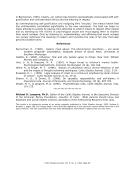
References
Dinnage, R. (1989, October 12). White magic. New York Review of Books, pp. 3B6.
Halperin, D.A. (1983). Gnosticism in high tech: Science fiction and cult formation. In D.
Halperin (Ed.), Psychodynamic perspectives on religion, sect, and cult. Boston: John
Wright PSG.
Halperin, D.A. (1987). Arthur Rimbaud: The poet as adolescent. In S. C. Feinstein (Ed.),
Adolescent Psychiatry, 14:63B82. Chicago: University of Chicago Press.
LaVey, A. (1969). Satanic Bible. New York: Avon Books.
Machen, A. (1973). The white people. In D. Knight (Ed.), The golden road (pp. 79B118). New
York: Simon &Schuster.
Necronomicon. (1977). New York: Avon Books.
Wills, G. (1992, December 17). Athena‟s magic. New York Review of Books, 47B52.
Acknowledgment
An earlier version of this article was presented at the Annual Meeting of the American
Association of Suicidology in April 1991.
*******************
David A. Halperin, M.D., Assistant Clinical Professor of Psychiatry at Mount Sinai School of
Medicine, is a fellow of the American Academy of Psychoanalysis and the American Group
Psychotherapy Association. He maintains a private practice in Manhattan, is a Consulting
Psychiatrist to the Custody Panel of the Supreme Court of the State of New York, and is
Director of Group Psychotherapy at Roosevelt Hospital. Dr. Halperin has lectured extensively
and his publications include Psychodynamic Perspectives on Religion, Sect, and Cult.
This article is an electronic version of an article originally published in Cultic Studies Journal, 1992, Volume 9,
Number 2, pages 190-205. Please keep in mind that the pagination of this electronic reprint differs from that of the
bound volume. This fact could affect how you enter bibliographic information in papers that you may write.
Characteristically, the adolescents resort to spiritualism and occultism in order to deal with
existing in an America that has been depopulated by a virus that escaped from a laboratory
for bacteriological warfare.
For King‟s protagonists, the occult exists as a means of ordering an environment in which the
reigning principle remains Nyarlathotep, the messenger of crawling chaos.
The Stand‟s casual description of Armageddon illustrates the extent to which the popular
culture of our society has become inured to the sense that we are living in “End Time.”
Indeed, with his description of a depopulated world and an almost Edenic portrayal of a
“natural” antiparadise, King confronts us with the extent to which so much of the literature
directed toward adolescents views the adult world as the enemy. This literature summons up
the occult as the modus operandi for creating a clean slate--a tabula rasa--on which the
adolescent will write a new world compounded of simplicities and magic(k).
References
Dinnage, R. (1989, October 12). White magic. New York Review of Books, pp. 3B6.
Halperin, D.A. (1983). Gnosticism in high tech: Science fiction and cult formation. In D.
Halperin (Ed.), Psychodynamic perspectives on religion, sect, and cult. Boston: John
Wright PSG.
Halperin, D.A. (1987). Arthur Rimbaud: The poet as adolescent. In S. C. Feinstein (Ed.),
Adolescent Psychiatry, 14:63B82. Chicago: University of Chicago Press.
LaVey, A. (1969). Satanic Bible. New York: Avon Books.
Machen, A. (1973). The white people. In D. Knight (Ed.), The golden road (pp. 79B118). New
York: Simon &Schuster.
Necronomicon. (1977). New York: Avon Books.
Wills, G. (1992, December 17). Athena‟s magic. New York Review of Books, 47B52.
Acknowledgment
An earlier version of this article was presented at the Annual Meeting of the American
Association of Suicidology in April 1991.
*******************
David A. Halperin, M.D., Assistant Clinical Professor of Psychiatry at Mount Sinai School of
Medicine, is a fellow of the American Academy of Psychoanalysis and the American Group
Psychotherapy Association. He maintains a private practice in Manhattan, is a Consulting
Psychiatrist to the Custody Panel of the Supreme Court of the State of New York, and is
Director of Group Psychotherapy at Roosevelt Hospital. Dr. Halperin has lectured extensively
and his publications include Psychodynamic Perspectives on Religion, Sect, and Cult.
This article is an electronic version of an article originally published in Cultic Studies Journal, 1992, Volume 9,
Number 2, pages 190-205. Please keep in mind that the pagination of this electronic reprint differs from that of the
bound volume. This fact could affect how you enter bibliographic information in papers that you may write.