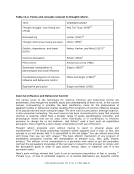
Cultic Studies Journal, Vol. 9, No. 2, 1992, Page 16
Rambo, L. R. (1982). Charisma and conversion. Pastoral Psychology, 31(2), 96-108.
Roberts, L. A. (1982). Ethical guidelines for group leaders. Journal for Specialists in Group
Work (1985, September), 7(3), 174-180.
Rubins, J. L. (1974). The personality cult in psychoanalysis. American Journal of
Psychoanalysis, 34(2), 129-133.
Schoener, G., Milgrom, J., Gonsiorek, J., Luepler, E., &Conroe, R. (1990). Psychotherapists’
sexual involvement with clients. Minneapolis, MN: Walk-In Counseling Center.
Shenon, P. (1985, October 2). Nine linked to Synanon indicted by U.S. New York Times.
Singer, M. (1979, January). Coming out of the cults. Psychology Today, pp. 72-81.
Singer, M., &Ofshe, R. (1990). Thought reform programs and the production of psychiatric
casualties. Psychiatric Annals, 20(4), 188-193.
Span, P. (1988, July 27). Cult or therapy: The custody crisis. Washington Post.
Temerlin, M. K., &Temerlin, J. W. (1982). Psychotherapy cults: An iatrogenic perversion.
Psychotherapy: Theory, Research, and Practice, 19(2), 131-141.
Temerlin, J. W., &Temerlin, M. K. (1986). Some hazards of the therapeutic relationship.
Cultic Studies Journal, 3(2), 234-242.
West, L., &Singer, M. (1982). Cults, quacks, and nonprofessional psychotherapies. In H.
Kaplan, A. Freedman, &B. J. Sadock (Eds.), Comprehensive Textbook of Psychiatry/III,
pp. 3245-3258. Baltimore: Williams &Wilkins.
Yalom, I. (1985). The theory and practice of group psychotherapy. New York: Basic Books.
Acknowledgment
The authors wish to thank Jane Temerlin for her comments on an earlier draft of this paper.
They also wish to thank the American Family Foundation for assistance in locating references
and the Positive Action Center for assistance in securing information and contacts with
professionals.
*******************
Kim Boland is a Washington Certified Mental Health counselor. She will receive her MA in
Counseling Psychology in June 1993. She lives and works in Vancouver, Washington, where
she also teaches ethics classes for counselors.
Gordon Lindbloom, Ph.D., is Associate Professor of Counseling Psychology, Graduate
School of Professional Studies, Lewis and Clark College, Portland, Oregon. His professional
interests include stress and anxiety disorders, interpersonal relations and collaboration, and
professional ethics.
This article is an electronic version of an article originally published in Cultic Studies Journal, 1992, Volume 9,
Number 2, pages 137-162. Please keep in mind that the pagination of this electronic reprint differs from that of the
bound volume. This fact could affect how you enter bibliographic information in papers that you may write.
Rambo, L. R. (1982). Charisma and conversion. Pastoral Psychology, 31(2), 96-108.
Roberts, L. A. (1982). Ethical guidelines for group leaders. Journal for Specialists in Group
Work (1985, September), 7(3), 174-180.
Rubins, J. L. (1974). The personality cult in psychoanalysis. American Journal of
Psychoanalysis, 34(2), 129-133.
Schoener, G., Milgrom, J., Gonsiorek, J., Luepler, E., &Conroe, R. (1990). Psychotherapists’
sexual involvement with clients. Minneapolis, MN: Walk-In Counseling Center.
Shenon, P. (1985, October 2). Nine linked to Synanon indicted by U.S. New York Times.
Singer, M. (1979, January). Coming out of the cults. Psychology Today, pp. 72-81.
Singer, M., &Ofshe, R. (1990). Thought reform programs and the production of psychiatric
casualties. Psychiatric Annals, 20(4), 188-193.
Span, P. (1988, July 27). Cult or therapy: The custody crisis. Washington Post.
Temerlin, M. K., &Temerlin, J. W. (1982). Psychotherapy cults: An iatrogenic perversion.
Psychotherapy: Theory, Research, and Practice, 19(2), 131-141.
Temerlin, J. W., &Temerlin, M. K. (1986). Some hazards of the therapeutic relationship.
Cultic Studies Journal, 3(2), 234-242.
West, L., &Singer, M. (1982). Cults, quacks, and nonprofessional psychotherapies. In H.
Kaplan, A. Freedman, &B. J. Sadock (Eds.), Comprehensive Textbook of Psychiatry/III,
pp. 3245-3258. Baltimore: Williams &Wilkins.
Yalom, I. (1985). The theory and practice of group psychotherapy. New York: Basic Books.
Acknowledgment
The authors wish to thank Jane Temerlin for her comments on an earlier draft of this paper.
They also wish to thank the American Family Foundation for assistance in locating references
and the Positive Action Center for assistance in securing information and contacts with
professionals.
*******************
Kim Boland is a Washington Certified Mental Health counselor. She will receive her MA in
Counseling Psychology in June 1993. She lives and works in Vancouver, Washington, where
she also teaches ethics classes for counselors.
Gordon Lindbloom, Ph.D., is Associate Professor of Counseling Psychology, Graduate
School of Professional Studies, Lewis and Clark College, Portland, Oregon. His professional
interests include stress and anxiety disorders, interpersonal relations and collaboration, and
professional ethics.
This article is an electronic version of an article originally published in Cultic Studies Journal, 1992, Volume 9,
Number 2, pages 137-162. Please keep in mind that the pagination of this electronic reprint differs from that of the
bound volume. This fact could affect how you enter bibliographic information in papers that you may write.