Cultic Studies Journal, Vol. 9, No. 2, 1992, Page 15
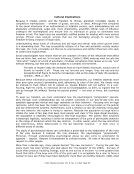
Association for Specialists in Group Work. (1983, September). Ethics Code. In A. L. Roberts,
Ethical guidelines for group leaders, pp. 174-179. Journal for Specialists in Group Work.
Ayella, M. (1985). Insane therapy: Case study of the social organization of a psychotherapy
cult (Doctoral dissertation, University of California, Berkeley, 1985). Dissertation
Abstracts International (1986), 46(9A), 283.
Bainbridge, W. S. (1978). Satan’s power: A deviant psychotherapy cult. London, England: The
Regents of the University of California.
Barnes, D. B. (1978). Charisma and religious leadership: A historical analysis. Journal for the
Scientific Study of Religions, 17(1), 1-18.
Black, D. (1975, December 15). Totalitarian therapy on the Upper West Side. New York, pp.
54-67.
Boland, K. (1989). Psychotherapy cult observations of a group. Unpublished manuscript.
Conason, J., &McGarrahan, E. (1986, April 22). Escape from Utopia. The Village Voice, pp.
19-26.
Clark, J. (1979, July 20). Cults. Journal of the American Medical Association, 242(3), 279-281.
Corey, G., Corey, M. S., Callahan, P., &Russell, J. M. (1982). Ethical considerations in using
group techniques. Journal for Specialists in Group Work, 7(3), 140-148.
Corey, G., Corey, M. S., &Callahan, P. (1988). Issues and ethics in the helping professions
(3rd ed.). Pacific Grove, CA: Brooks/Cole.
Deutsch, A. (1980, December). Capacity of attachment to cult leader: A psychiatric
perspective. American Journal of Psychiatry, 137(12), 1569-1573.
Halperin, D. (1982). Group process in cult affiliation and recruitment. Group, 6(2), 13-24.
Hart, L. (1972). Milieu management for drug addicts: Extended drug subculture or
rehabilitation? British Journal of Addiction, 67(4), 297B301.
Hassan, S. (1988). Combatting cult mind control. Rochester, VT: Park Street Press.
Hennican, E. (1988, May 31). Dads‟ battle “cult” for children: Lawsuit penetrating a shroud of
secrecy at Sullivan Institute. New York Newsday, 1, 23.
Hochman, J. (1984). Iatrogenic symptoms associated with a therapy cult: Examination of an
extinct “new psychotherapy” with respect to psychiatric deterioration and brainwashing.
Psychiatry, 47, 377.
Janis, I. L. (1982). Group think. Boston: Houghton Mifflin.
Keith-Spiegel, P., &Koocher, G. P. (1985). Ethics in psychology: Professional standards and
cases. New York: Random House.
Kottler, J. (1982). Unethical behaviors we all do and pretend we do not. Journal for Specialists
in Group Work, 7(3), 182-187.
Lakin, M. (1986). Ethical challenges of group and dyadic psychotherapies: A comparative
approach. Professional Psychology: Research and Practice, 17(5), 454-460.
Lewin, T. (1988, June 3). Custody case lifts veil on a psychotherapy cult. New York Times.
Liberman, M., Yalom, I., &Miles, M. (1973). Encounter groups: First facts. New York: Basic
Books.
Lifton, R. (1961). Ideological totalism. In Thought reform and the psychology of totalism: A
study of “brainwashing” in China, pp. 419B437. New York: W. W. Norton.
Long, T., &Hadden, J. (1983). Religious conversion and the concept of socialization:
Integrating the brainwashing and drift models. Journal for the Scientific Study of Religion,
22(1), 1-14.
Mithers, C. (1988, August). When therapists drive their patients crazy. California, pp. 76-136.
National Association of Social Workers. (1990). Code of ethics. Silver Spring, MD: Author.
Newman, R. (1983). Thoughts on superstars of charisma: Pipers our midst. American Journal
of Orthopsychiatry, 53(2), 201-208.
Ofshe, R. (1976). Synanon: The people business. In C. Glock &R. Bellah (Eds.), The new
religious consciousness. Berkeley: University of California Press.
Pope, K., &Bouhoutsos, J. (1986). Sexual intimacy between therapists and patients. New
York: Praeger.
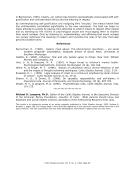
Association for Specialists in Group Work. (1983, September). Ethics Code. In A. L. Roberts,
Ethical guidelines for group leaders, pp. 174-179. Journal for Specialists in Group Work.
Ayella, M. (1985). Insane therapy: Case study of the social organization of a psychotherapy
cult (Doctoral dissertation, University of California, Berkeley, 1985). Dissertation
Abstracts International (1986), 46(9A), 283.
Bainbridge, W. S. (1978). Satan’s power: A deviant psychotherapy cult. London, England: The
Regents of the University of California.
Barnes, D. B. (1978). Charisma and religious leadership: A historical analysis. Journal for the
Scientific Study of Religions, 17(1), 1-18.
Black, D. (1975, December 15). Totalitarian therapy on the Upper West Side. New York, pp.
54-67.
Boland, K. (1989). Psychotherapy cult observations of a group. Unpublished manuscript.
Conason, J., &McGarrahan, E. (1986, April 22). Escape from Utopia. The Village Voice, pp.
19-26.
Clark, J. (1979, July 20). Cults. Journal of the American Medical Association, 242(3), 279-281.
Corey, G., Corey, M. S., Callahan, P., &Russell, J. M. (1982). Ethical considerations in using
group techniques. Journal for Specialists in Group Work, 7(3), 140-148.
Corey, G., Corey, M. S., &Callahan, P. (1988). Issues and ethics in the helping professions
(3rd ed.). Pacific Grove, CA: Brooks/Cole.
Deutsch, A. (1980, December). Capacity of attachment to cult leader: A psychiatric
perspective. American Journal of Psychiatry, 137(12), 1569-1573.
Halperin, D. (1982). Group process in cult affiliation and recruitment. Group, 6(2), 13-24.
Hart, L. (1972). Milieu management for drug addicts: Extended drug subculture or
rehabilitation? British Journal of Addiction, 67(4), 297B301.
Hassan, S. (1988). Combatting cult mind control. Rochester, VT: Park Street Press.
Hennican, E. (1988, May 31). Dads‟ battle “cult” for children: Lawsuit penetrating a shroud of
secrecy at Sullivan Institute. New York Newsday, 1, 23.
Hochman, J. (1984). Iatrogenic symptoms associated with a therapy cult: Examination of an
extinct “new psychotherapy” with respect to psychiatric deterioration and brainwashing.
Psychiatry, 47, 377.
Janis, I. L. (1982). Group think. Boston: Houghton Mifflin.
Keith-Spiegel, P., &Koocher, G. P. (1985). Ethics in psychology: Professional standards and
cases. New York: Random House.
Kottler, J. (1982). Unethical behaviors we all do and pretend we do not. Journal for Specialists
in Group Work, 7(3), 182-187.
Lakin, M. (1986). Ethical challenges of group and dyadic psychotherapies: A comparative
approach. Professional Psychology: Research and Practice, 17(5), 454-460.
Lewin, T. (1988, June 3). Custody case lifts veil on a psychotherapy cult. New York Times.
Liberman, M., Yalom, I., &Miles, M. (1973). Encounter groups: First facts. New York: Basic
Books.
Lifton, R. (1961). Ideological totalism. In Thought reform and the psychology of totalism: A
study of “brainwashing” in China, pp. 419B437. New York: W. W. Norton.
Long, T., &Hadden, J. (1983). Religious conversion and the concept of socialization:
Integrating the brainwashing and drift models. Journal for the Scientific Study of Religion,
22(1), 1-14.
Mithers, C. (1988, August). When therapists drive their patients crazy. California, pp. 76-136.
National Association of Social Workers. (1990). Code of ethics. Silver Spring, MD: Author.
Newman, R. (1983). Thoughts on superstars of charisma: Pipers our midst. American Journal
of Orthopsychiatry, 53(2), 201-208.
Ofshe, R. (1976). Synanon: The people business. In C. Glock &R. Bellah (Eds.), The new
religious consciousness. Berkeley: University of California Press.
Pope, K., &Bouhoutsos, J. (1986). Sexual intimacy between therapists and patients. New
York: Praeger.