Cultic Studies Journal, Vol. 9, No. 2, 1992, Page 11
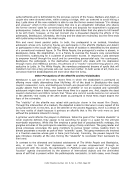
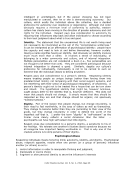
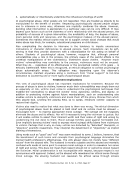
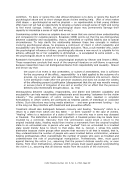
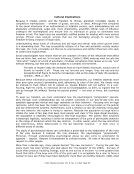
from which the participants are clearly left less able to conduct satisfying and productive lives.
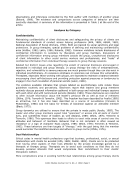
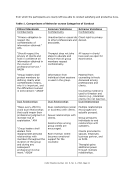
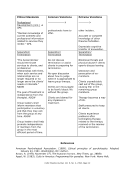
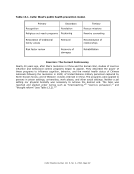
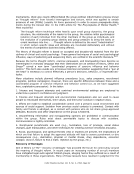
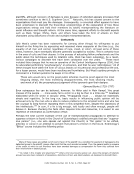
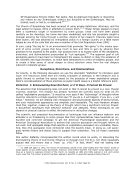
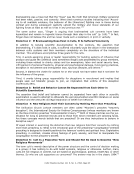
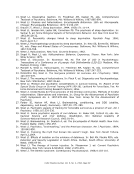
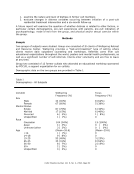
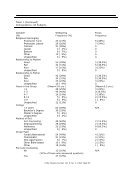
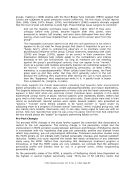
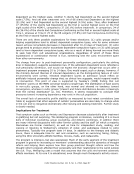
Table 1. Comparisons of Behavior across Categories of Conduct
Ethical Standards Common Violations Extreme Violations
Confidentiality
“Primary obligation to
respect the
confidentiality of
information obtained.”
APA
“Should respect the
privacy of clients and
hold in confidence all
information obtained in
the course of
professional service.”
NASW
“Group leaders shall
protect members by
defining clearly what
confidentiality means,
why it is important, and
the difficulties involved
in enforcement.” ASGW
Confidentiality
Unauthorized or casual disclosures
to other professionals and
associates.
Therapist does not take
steps to educate and
ensure that all group
members respect
confidentiality.
Information from
individual client sessions
is used in the group.
Confidentiality
Client right to privacy
denied.
All issues in clients‟
lives seen as open for
examination.
Material from
counseling is freely
discussed among
professionals and
clients.
Counseling material is
used to threaten and
coerce (e.g., blackmail
clients into not leaving).
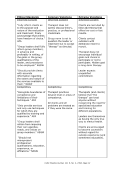
Dual Relationships
“Make every effort to
avoid dual relationships
that could impair their
professional judgment or
increase risk of
exploitation.” APA
“Group leaders shall
abstain from
inappropriate personal
relationships with
members throughout the
duration of the group
and during any
subsequent
professional involve-
ment.” ASGW
Dual Relationships
Dual relationships (social
or business) with clients.
Sexual relationships with
clients.
Relationships among
group clients are
encouraged.
Role reversal: Client
becomes emotional
support for the
counselor.
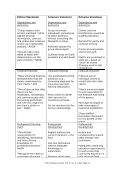
Dual Relationships
Multiple relationships
encouraged and
actually pursued.
Group pressures
individuals to end
relationships with
outsiders.
Clients promoted to
spouse, employee,
business partner, and
so forth.
Therapist gains
additional power
through multiple
relationships.
from which the participants are clearly left less able to conduct satisfying and productive lives.
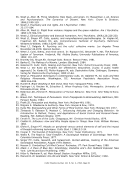
Table 1. Comparisons of Behavior across Categories of Conduct
Ethical Standards Common Violations Extreme Violations
Confidentiality
“Primary obligation to
respect the
confidentiality of
information obtained.”
APA
“Should respect the
privacy of clients and
hold in confidence all
information obtained in
the course of
professional service.”
NASW
“Group leaders shall
protect members by
defining clearly what
confidentiality means,
why it is important, and
the difficulties involved
in enforcement.” ASGW
Confidentiality
Unauthorized or casual disclosures
to other professionals and
associates.
Therapist does not take
steps to educate and
ensure that all group
members respect
confidentiality.
Information from
individual client sessions
is used in the group.
Confidentiality
Client right to privacy
denied.
All issues in clients‟
lives seen as open for
examination.
Material from
counseling is freely
discussed among
professionals and
clients.
Counseling material is
used to threaten and
coerce (e.g., blackmail
clients into not leaving).
Dual Relationships
“Make every effort to
avoid dual relationships
that could impair their
professional judgment or
increase risk of
exploitation.” APA
“Group leaders shall
abstain from
inappropriate personal
relationships with
members throughout the
duration of the group
and during any
subsequent
professional involve-
ment.” ASGW
Dual Relationships
Dual relationships (social
or business) with clients.
Sexual relationships with
clients.
Relationships among
group clients are
encouraged.
Role reversal: Client
becomes emotional
support for the
counselor.
Dual Relationships
Multiple relationships
encouraged and
actually pursued.
Group pressures
individuals to end
relationships with
outsiders.
Clients promoted to
spouse, employee,
business partner, and
so forth.
Therapist gains
additional power
through multiple
relationships.