Cultic Studies Journal, Vol. 9, No. 2, 1992, Page 14
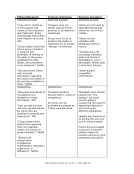
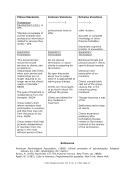
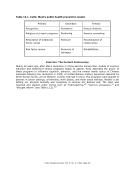
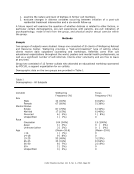
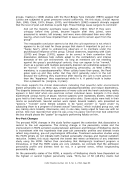
Ethical Standards
Professional
Development (cont.)
APA
“Maintain knowledge of
current scientific and
professional information
related to services they
render.” APA
Common Violations
----------------
professionals have to
offer.
Extreme Violations
----------
other insiders.
Accurate or complete
knowledge of other
theories forbidden.
Depreciate cognitive
transfer of knowledge.
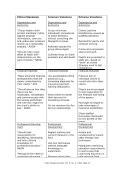
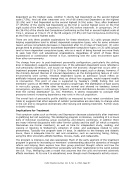
Separation/
Termination
“The Social Worker
should terminate
services to clients, and
professional
relationships with them,
when such service and
relationships are no
longer required or no
longer serve the clients‟
needs or interests.”
NASW
The goal of treatment is
independence from the
therapist. ASGW
Group leaders shall
inform members that
participation is voluntary
and that they may exit
from the group at any
time. ASGW
Group leaders shall help
promote independence
of members from the
group in the most
efficient period of time.
Separation/
Termination
Do not discuss
termination or assist
clients in preparing for
termination.
No open discussion
about how to judge
when it is appropriate to
leave group therapy.
Clients are encouraged
to be fearful about life
without the group.
Clients are blamed for
any impasses in
treatment.
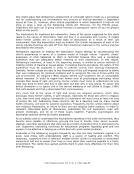
Separation/
Termination
Emotional threats and
physical abuse if clients
openly discuss leaving.
Ostracism and
persecution of ex-
members.
Clients unpredictably
cast out of the group,
causing fear in the
remaining group
members.
Therapy becomes a way
of life.
Staff pressured to keep
all clients.
Clients experience
problems after
terminating therapy
related to the therapy
received or the manner
of the termination.
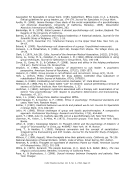
References
American Psychological Association. (1989). Ethical principles of psychologists. Adopted
January 24, 1981. Washington, DC: Author.
Anson, R. (1978, November 27). The Synanon horrors. New Times, pp. 28B50.
Appel, W. (1983). Cults in America: Programmed for paradise. New York: Henry Holt.